
Dr Ramesh Arora
About Me
Dr Ramesh Arora
MBBS
General Physician
10 Years Experience
Biography
My Clinic
OPD Hours
| Monday | Morning | 10:00 AM | - | 02:00 PM |
| Evening | 06:00 PM | - | 09:00 PM | |
| Tuesday | Morning | 10:00 AM | - | 02:00 PM |
| Evening | 06:00 PM | - | 09:00 PM | |
| Wednesday | Morning | 10:00 AM | - | 02:00 PM |
| Evening | 06:00 PM | - | 09:00 PM | |
| Thursday | Morning | 10:00 AM | - | 02:00 PM |
| Evening | 06:00 PM | - | 09:00 PM | |
| Friday | Morning | 10:00 AM | - | 02:00 PM |
| Evening | 06:00 PM | - | 09:00 PM | |
| Saturday | Morning | 10:00 AM | - | 02:00 PM |
| Evening | 06:00 PM | - | 09:00 PM | |
| Sunday | Morning | 10:00 AM | - | 02:00 PM |
| Evening | 06:00 PM | - | 09:00 PM |
Treatments
Specialised care and treatments offered
VACCINATION COUNSELING FOR ADULTS
An integral aspect of adult preventive healthcare involves ensuring vaccinations remain up-to-date. Immunizations protect against many serious infectious diseases common in adulthood especially among vulnerable groups.
- Key Vaccines Recommended : Influenza yearly shots; pneumococcal vaccine particularly for older adults; tetanus boosters every ten years;
- Assessment Procedure : Reviewing immunization history during consultations helps identify missed vaccines needing administration promptly;
- Importance Highlighted : Vaccinations reduce incidence/severity of diseases thereby decreasing healthcare visits/hospitalization rates among adults;
- Expected Side Effects : Most vaccines cause only mild local reactions like soreness which resolve rapidly without complications.;
- Encouragement for Discussion : Patients are encouraged to ask questions so concerns around vaccinations can be thoroughly addressed fostering compliance.;
Staying current with vaccinations contributes significantly toward sustaining robust general health throughout adulthood.
CHRONIC OBSTRUCTIVE PULMONARY DISEASE (COPD) PREVENTION

COPD comprises progressive lung diseases that obstruct airflow making breathing difficult. Preventive care focuses largely on minimizing risk factors before irreversible damage occurs.
- Main Risk Factors Include: Tobacco smoking is principal; exposure to air pollutants or occupational dust also contribute substantially to COPD development.
- The Role of Early Detection: Spirometry tests measure lung function to detect airflow limitations even before obvious symptoms arise prominently like chronic cough or breathlessness.
- Lifestyle Interventions: Smoking cessation combined with avoidance of irritants reduces COPD risk drastically. Vaccination against respiratory infections also prevents exacerbations if disease present early on.
Evolving preventive strategies aim at preserving lung function optimize quality of life through education about environmental control measures combined with routine medical supervision where indicated.
ANEMIA EVALUATION

Anemia occurs when the body lacks sufficient healthy red blood cells to carry oxygen effectively. Identifying the cause is important for appropriate management.
- Common Causes: Nutritional deficiencies (iron, vitamin B12), chronic diseases, or blood loss from various conditions are frequent contributors to anemia.
- Simplified Diagnosis: Complete blood count (CBC) provides key data including hemoglobin levels and red cell indices helping classify anemia type.
- Treatment Strategies: Depends on cause; iron supplements for iron-deficiency anemia or addressing underlying illness if due to chronic disease are typical approaches.
- Your Role as Patient: Monitor symptoms like fatigue or paleness; follow up regularly until recovery is confirmed by lab results normalization.
Treating anemia effectively improves energy levels and overall wellbeing while preventing complications linked with untreated low hemoglobin levels.
ROUTINE HEALTH CHECK-UP
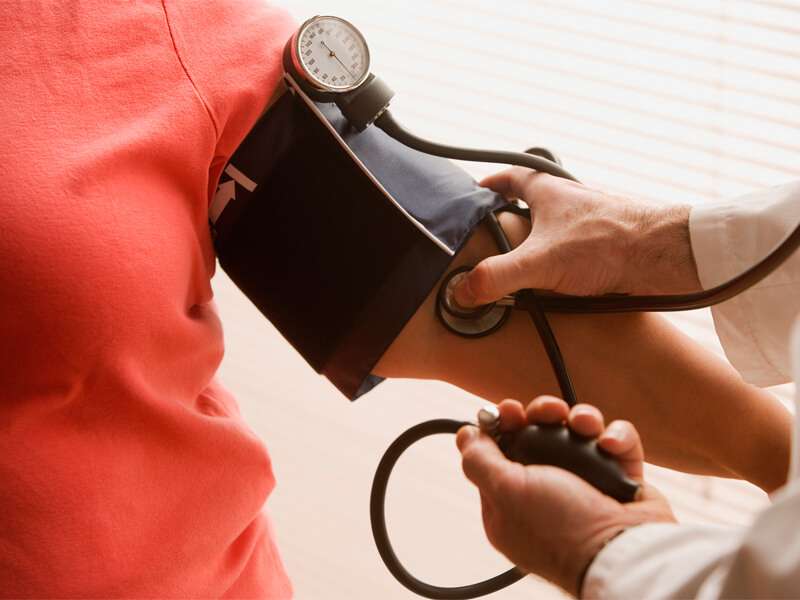
A comprehensive health check-up plays an essential role in early detection of potential health concerns before symptoms appear. It is recommended periodically based on age and risk profile.
- Main Components: Evaluation includes physical examination, vital signs measurement, blood tests (like CBC, lipid profile), urine analysis, and sometimes imaging studies.
- Purpose: To identify underlying issues such as anemia, infections, metabolic disorders or organ dysfunction early on.
- Benefits: Enables timely advice on lifestyle modifications and preventive measures tailored to individual risk factors.
- What Happens Next: Based on results, further investigations or specialist referrals might be advised for targeted treatment or monitoring.
This proactive approach empowers patients to maintain good health through informed decisions with their healthcare provider's guidance.
DIABETES SCREENING AND MONITORING

Diabetes mellitus is a chronic metabolic disorder characterized by high blood sugar levels. Early detection through screening can significantly improve outcomes.
- Risk Factors: Includes family history, obesity, sedentary behavior, and age over 45 years; prediabetes often precedes type 2 diabetes.
- How It Is Diagnosed: Fasting blood glucose tests, HbA1c measurements, and oral glucose tolerance tests are commonly used for diagnosis and monitoring.
- Treatment Principles: Lifestyle modification with diet control and regular physical activity forms the cornerstone; medications including insulin or oral hypoglycemics may be necessary.
- What Patients Should Expect: Continuous glucose monitoring and periodic evaluation reduce risks of complications such as neuropathy or kidney damage.
The goal of screening is timely intervention to keep blood sugar within target ranges and prevent progression of disease.
HYPERTENSION MANAGEMENT

High blood pressure, or hypertension, is a common condition that can lead to serious health problems if left unchecked. Regular monitoring and lifestyle adjustments play crucial roles in its control.
- Symptoms and Causes: Often called the 'silent killer' because it typically has no obvious symptoms; risk factors include obesity, sedentary lifestyle, high salt intake, and genetics.
- Diagnosis: Blood pressure is measured using a sphygmomanometer; consistent readings above 140/90 mmHg usually indicate hypertension.
- Treatment Options: Lifestyle changes such as diet and exercise are first-line; medications like ACE inhibitors or diuretics may be prescribed depending on severity.
- Management Expectations: Regular follow-ups to monitor blood pressure and adherence to treatment are essential to prevent complications like heart disease or stroke.
Tackling hypertension proactively helps maintain cardiovascular health and enhances quality of life over the long term.