
Dr Ram Charan Ver
About Me
Dr Ram Charan Ver
MBBS
Dermatologist
10 Years Experience
Biography
My Clinic
OPD Hours
| Monday | Morning | 10:00 AM | - | 02:00 PM |
| Evening | 06:00 PM | - | 09:00 PM | |
| Tuesday | Morning | 10:00 AM | - | 02:00 PM |
| Evening | 06:00 PM | - | 09:00 PM | |
| Wednesday | Morning | 10:00 AM | - | 02:00 PM |
| Evening | 06:00 PM | - | 09:00 PM | |
| Thursday | Morning | 10:00 AM | - | 02:00 PM |
| Evening | 06:00 PM | - | 09:00 PM | |
| Friday | Morning | 10:00 AM | - | 02:00 PM |
| Evening | 06:00 PM | - | 09:00 PM | |
| Saturday | Morning | 10:00 AM | - | 02:00 PM |
| Evening | 06:00 PM | - | 09:00 PM | |
| Sunday | Morning | 10:00 AM | - | 02:00 PM |
| Evening | 06:00 PM | - | 09:00 PM |
Treatments
Specialised care and treatments offered
HAIR TRANSPLANTATION
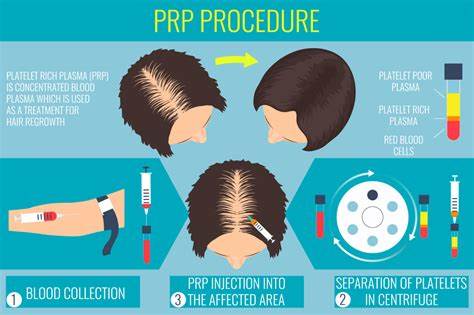
This surgical procedure restores hair in areas affected by baldness through relocating follicles from donor sites. It’s widely used for androgenetic alopecia treatment with natural-looking results achievable today.
- Underlying causes & symptoms: Male pattern baldness presents as progressive hair thinning/loss predominantly on scalp crown/forehead regions.
- Preoperative evaluation: Detailed scalp assessment including follicular density measurement guides planning extraction/transplant numbers needed.
- Surgical methods available: Follicular Unit Extraction (FUE) entails harvesting individual follicle units while Follicular Unit Transplantation (FUT) removes strips; both transplanted into balding zones carefully creating natural patterns.
- Postoperative course & expectations: Minor swelling/redness subsides days after; transplanted hairs fall temporarily before regrowing steadily within months.
- Long-term outlook: Results gradually improve up to one year post-transplant providing permanent coverage when performed under expert supervision.
This treatment offers an effective solution addressing hair loss concerns with minimal invasiveness ensuring patient confidence restoration over time.
CRYOTHERAPY
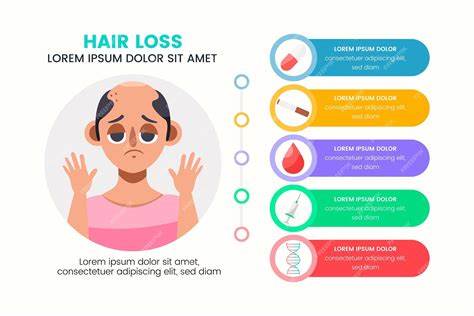
Cryotherapy utilizes extreme cold to eliminate unwanted benign growths or precancerous lesions by freezing affected tissues leading to controlled cell destruction without surgery.
- Description & causes: Common targets include warts, seborrheic keratoses (benign growths), and actinic keratosis due to UV damage.
- The diagnostic approach: Visual examination supplemented by dermoscopy assists in selecting lesions suited for cryotherapy.
- Treatment technique: Liquid nitrogen spray or probe applied briefly freezes the lesion causing intracellular ice formation that destroys abnormal cells.
- Efficacy & recovery: Usually requires one or several sessions; healing involves crusting then peeling off over days without significant scarring.
- Pain & side effects: Mild discomfort during application but generally well-tolerated; transient redness/swelling common.
Cryotherapy remains a safe office-based option offering quick resolution for many superficial dermatologic conditions without need for incisions.
CHEMICAL PEELING
Chemical peels involve applying controlled acid solutions to exfoliate outer layers of damaged or aging skin. This technique rejuvenates complexion by promoting regeneration underneath.
- Main indications & signs: Used for pigment irregularities, mild scars, fine wrinkles caused by sun damage or aging processes.
- Treatment assessment: Patient’s skin type and sensitivity are evaluated to choose appropriate peel strength (superficial, medium, deep).
- The peeling process involves: Application of acids like glycolic acid or trichloroacetic acid causing controlled injury that triggers new collagen formation after shedding dead cells.
- Treatment outcomes: Improved texture, tone uniformity, reduction in discoloration with gradual visible enhancement over multiple sessions possible for deeper peels.
PHOTODYNAMIC THERAPY (PDT)
PDT uses light-sensitive agents combined with specific wavelengths of light to treat precancerous lesions and some superficial skin conditions. It is a non-invasive alternative to surgery in suitable cases.
- Causative factors & symptoms: Conditions like actinic keratosis appear as rough, scaly patches from long-term sun exposure.
- Assessment process: Dermatologists identify lesions appropriate for PDT following clinical examination and biopsy if necessary.
- Treatment methodology: Application of a photosensitizing cream followed by illumination with a special light source activates the agent destroying abnormal cells selectively.
- Treatment advantages: Minimal downtime, good cosmetic results, usually outpatient procedure without general anesthesia required.
- Description of effects: Temporary redness, swelling, or crusting may occur but typically resolve within days; repeated sessions might be needed depending on lesion extent.
This therapy offers an effective way to manage early cellular changes before progression into invasive cancer while preserving healthy tissue integrity.
MOHS MICROGRAPHIC SURGERY
This specialized surgical method is designed for precise removal of certain skin cancers while preserving healthy tissue. It offers high cure rates through meticulous examination during surgery.
- Symptoms and causes: Skin cancers like basal cell carcinoma often appear as persistent sores or lumps; early detection is key.
- Diagnostic process: Initial biopsy confirms cancer type before planning Mohs surgery.
- Surgical procedure: Thin layers of cancerous tissue are removed sequentially, examined microscopically immediately to ensure complete excision.
- Treatment benefits: Maximizes cancer removal while sparing normal tissue, reducing scarring and preserving function especially in sensitive areas like the face.
- Recovery expectations: Most patients heal well with proper wound care; follow-up is important to monitor healing and detect recurrence if any.
This approach is considered gold standard for select skin cancers due to its accuracy and conservation of healthy skin structures.
LASER THERAPY FOR ACNE SCARS
Acne scars can impact skin texture and confidence. Laser therapy offers a modern approach to improving skin appearance by targeting scar tissue specifically.
- Causes and symptoms: Acne scars result from inflammatory acne causing damaged collagen; they may appear as pitted or raised areas on the skin.
- Diagnosis: A dermatologist evaluates scar type, depth, and skin condition to determine suitability for laser treatment.
- Treatment options: Various lasers such as fractional CO2 or erbium lasers stimulate collagen remodeling and resurface the skin.
- Procedure details: Sessions typically last 20-30 minutes with topical anesthesia; multiple treatments spaced weeks apart are common.
- Expected results: Gradual improvement in texture and scar visibility over months, with minimal downtime if post-care is followed properly.
This technique is an effective option to reduce acne scarring, restoring smoother skin over time when performed under expert care.