
Dr Rakesh Mahla
About Me
Dr Rakesh Mahla
MBBS
General Physician
10 Years Experience
Biography
My Clinic
OPD Hours
| Monday | Morning | 10:00 AM | - | 02:00 PM |
| Evening | 06:00 PM | - | 09:00 PM | |
| Tuesday | Morning | 10:00 AM | - | 02:00 PM |
| Evening | 06:00 PM | - | 09:00 PM | |
| Wednesday | Morning | 10:00 AM | - | 02:00 PM |
| Evening | 06:00 PM | - | 09:00 PM | |
| Thursday | Morning | 10:00 AM | - | 02:00 PM |
| Evening | 06:00 PM | - | 09:00 PM | |
| Friday | Morning | 10:00 AM | - | 02:00 PM |
| Evening | 06:00 PM | - | 09:00 PM | |
| Saturday | Morning | 10:00 AM | - | 02:00 PM |
| Evening | 06:00 PM | - | 09:00 PM | |
| Sunday | Morning | 10:00 AM | - | 02:00 PM |
| Evening | 06:00 PM | - | 09:00 PM |
Treatments
Specialised care and treatments offered
ANNUAL PHYSICAL EXAMS
An annual physical exam serves as a cornerstone in preventive healthcare strategy for adults. It enables healthcare providers to assess an individual’s overall health while identifying potential issues before they escalate into major concerns.
- Symptoms : Many underlying conditions do not present noticeable symptoms until they reach advanced stages—hence importance lies primarily in prevention .
- Diagnosis : A thorough examination generally includes taking vital signs , conducting lab tests (bloodwork) based on medical history , evaluation using diagnostic tools .
- Treatment : Results guide appropriate lifestyle recommendations , targeted treatments plans tailored specifically addressing identified areas requiring attention offering patients an informed pathway forward .
- What To Expect : The outcome helps establish baselines reflecting healthy markers enabling follow-up consultations aimed efficiently managing emerging concerns thus fostering sustainable wellness journeys across lifetimes .
A proactive approach through yearly check-ups fosters ongoing dialogue surrounding personal wellness—empowering individuals towards making informed healthcare decisions leading better quality lives over time ; prioritizing self-care remains indispensable!
VACCINATIONS

The role of vaccinations in preventive healthcare cannot be overstated. Vaccines protect against various infectious diseases that could pose serious risks if contracted by adults or children alike.
- Symptoms :Illnesses prevented by vaccines can lead to severe flu-like symptoms, liver damage (hepatitis), or pneumonia (for example).
- Diagnosis :Not applicable; vaccination status should be tracked through records maintained during routine medical visits
- Treatment :Immunizations are given according to age-specific schedules determined by healthcare authorities aimed at fostering community immunity .
- What To Expect : Following vaccination protocols reduces infection rates significantly within communities while encouraging herd immunity protecting vulnerable groups regardless of individual vaccination status.
Staying updated with vaccinations offers peace of mind about personal safety alongside contributing positively towards public health initiatives promoting collective well-being
CHOLESTEROL MANAGEMENT
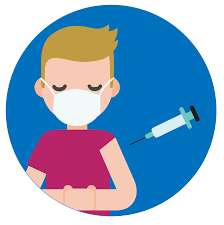
Elevated cholesterol levels can lead to cardiovascular diseases. Monitoring cholesterol is an essential part of maintaining overall heart health during adulthood.
- Symptoms: High cholesterol typically does not cause symptoms directly but contributes to serious conditions like heart attacks over time.
- Diagnosis: A simple blood test called a lipid panel measures total cholesterol levels along with LDL (bad) and HDL (good) cholesterol types.
- Treatment: Lifestyle modifications such as adopting a heart-healthy diet along with regular exercise form the cornerstone; medications may also be indicated in certain cases.
- What to Expect: Regular follow-up tests help track progress toward optimal cholesterol levels which reduce the risk of heart-related events considerably based on consistent efforts and guidance from healthcare professionals.
A commitment to managing cholesterol proactively allows individuals to protect their hearts effectively throughout life’s stages.
COLORECTAL CANCER SCREENING
Colorectal cancer screening is vital for early detection of cancerous growths in the colon or rectum. Early intervention significantly improves treatment outcomes.
- Symptoms: Signs may include blood in stools, persistent abdominal discomfort, and abnormal bowel habits.
- Diagnosis: Various methods are used for screening including colonoscopies and stool-based tests recommended at regular intervals depending on individual risk factors.
- Treatment: If polyps or cancer are found, options range from localized treatments to more comprehensive surgical interventions based on the stage of the disease.
- What to Expect: Following recommended screening schedules helps detect issues early when they are most treatable—which is crucial for patient survival rates.
A timely colorectal cancer screening can be life-saving; it encourages proactive engagement in one’s health management journey.
DIABETES SCREENING

Diabetes is a chronic condition that affects how your body processes sugar (glucose). Early detection through screening can help prevent significant health problems in the future.
- Symptoms: Common signs include excessive thirst, frequent urination, and unexplained weight loss.
- Diagnosis: Screening typically involves blood tests that measure glucose levels after fasting or throughout the day.
- Treatment: If diagnosed with diabetes or prediabetes, management strategies include dietary changes, physical activity enhancement, and possibly insulin therapy or medications.
- What to Expect: Regular glucose monitoring and lifestyle adjustments can effectively control diabetes and minimize associated risks.
Engaging in regular screenings empowers individuals to take charge of their health and manage potential issues early on.
HYPERTENSION
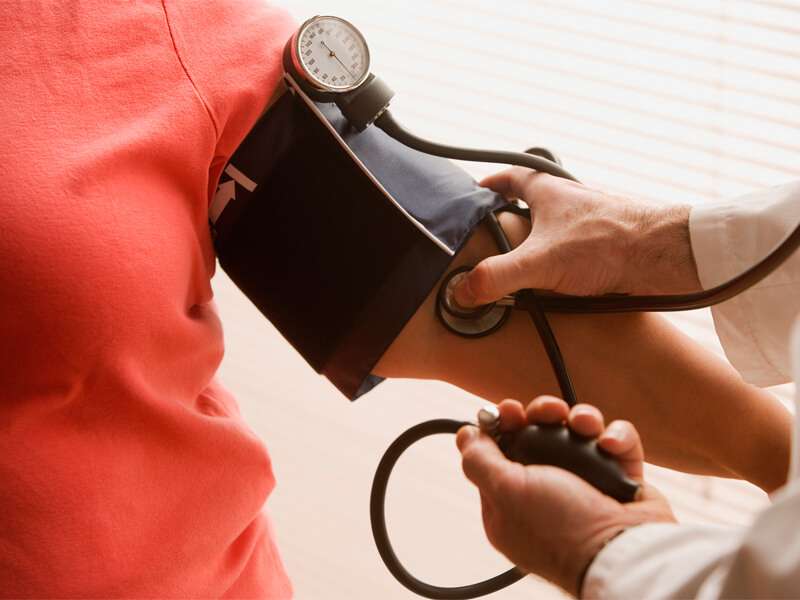
Hypertension, commonly referred to as high blood pressure, is a major health concern globally. It often develops silently, without apparent symptoms, which is why regular check-ups are crucial for its detection.
- Symptoms: Many individuals may not experience any noticeable symptoms; however, some might feel headaches, shortness of breath, or nosebleeds.
- Diagnosis: It is typically diagnosed during routine medical check-ups by measuring blood pressure with a sphygmomanometer.
- Treatment: Management includes lifestyle changes such as diet modification and increased physical activity. Medications may also be prescribed if necessary.
- What to Expect: Regular monitoring and adherence to treatment can significantly reduce the risk of complications like heart disease or stroke.
A proactive approach towards understanding hypertension can lead to better health outcomes and quality of life.