
DR Rakesh Kumar Varma
About Me
DR Rakesh Kumar Varma
MD
Cardiologist
10 Years Experience
Biography
My Clinic
OPD Hours
| Monday | Morning | 10:00 AM | - | 02:00 PM |
| Evening | 06:00 PM | - | 09:00 PM | |
| Tuesday | Morning | 10:00 AM | - | 02:00 PM |
| Evening | 06:00 PM | - | 09:00 PM | |
| Wednesday | Morning | 10:00 AM | - | 02:00 PM |
| Evening | 06:00 PM | - | 09:00 PM | |
| Thursday | Morning | 10:00 AM | - | 02:00 PM |
| Evening | 06:00 PM | - | 09:00 PM | |
| Friday | Morning | 10:00 AM | - | 02:00 PM |
| Evening | 06:00 PM | - | 09:00 PM | |
| Saturday | Morning | 10:00 AM | - | 02:00 PM |
| Evening | 06:00 PM | - | 09:00 PM | |
| Sunday | Morning | 10:00 AM | - | 02:00 PM |
| Evening | 06:00 PM | - | 09:00 PM |
Treatments
Specialised care and treatments offered
PREVENTIVE CARDIOLOGY

The field of preventive cardiology focuses on identifying risk factors early to prevent cardiovascular diseases before they occur. Education plays an essential role here!
- Risk assessment: Factors like family history combined with lifestyle choices help determine individualized risks associated with developing conditions later in life.
- Lifestyle guidance: Diets low in fat/sugar combined with increased physical activity form core components promoting longevity & resilience against diseases related challenges facing individuals today!
ATRIAL FIBRILLATION MANAGEMENT
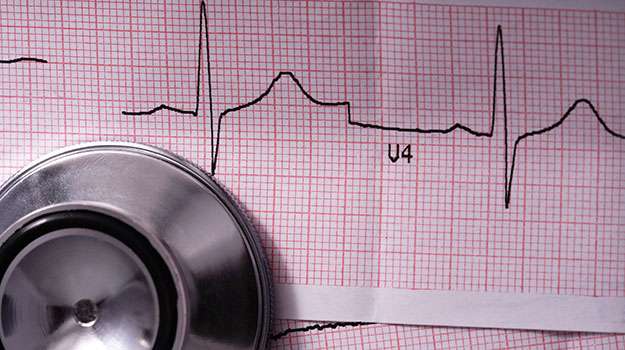
Atrial fibrillation (AFib) is a common type of arrhythmia that involves an irregular heartbeat which increases the risk of stroke. Early detection plays a crucial role in effective management strategies.
- The condition may present with palpitations or shortness of breath but can sometimes be asymptomatic.
- Standard treatments: Patients might receive anticoagulant prescriptions alongside rate control medications depending on individual assessments.
- Lifestyle modifications: Incorporating regular exercise while minimizing alcohol consumption could substantially benefit overall cardiovascular wellbeing.
This proactive approach fosters better outcomes when it comes down managing atrial fibrillation long into the future without major surgeries involved—just consistent monitoring required from skilled practitioners operating within your local area!
ARRHYTHMIA TREATMENT
An arrhythmia refers to irregular heartbeats that can lead to various complications if not properly managed. Understanding this condition is key for effective treatment options available today.
- The nature of arrhythmias: They may range from harmless palpitations to potentially life-threatening irregularities in heartbeat rhythm.
- Your experience may include: Symptoms like dizziness or chest discomfort that prompt evaluation by a healthcare professional for proper diagnosis through ECGs or echocardiograms.
- Treatment methods: A combination of medications aimed at controlling heart rate or rhythm may be prescribed along with recommendations for reducing caffeine intake and managing stress levels.
- Long-term outlook: Most patients can live normal lives with appropriate management tailored to their specific types of arrhythmia.
It's essential not only to address the symptoms but also underlying causes through ongoing consultations with your cardiologist for optimal care planning.
HEART FAILURE MANAGEMENT
Heart failure occurs when the heart does not pump blood efficiently. This condition requires careful management to improve quality of life and prevent hospitalizations.
- Symptoms: Common signs include fatigue, shortness of breath, swelling in the legs or abdomen, and rapid heartbeat.
- Causative factors: Prior heart attacks, hypertension, diabetes, or valvular heart diseases contribute to heart failure development.
- Treatment approach: Involves lifestyle modifications such as low-sodium diets and regular exercise. Medications like ACE inhibitors or beta-blockers are often utilized as well.
- Lifestyle adaptations: Weight monitoring and fluid intake regulation play critical roles in managing symptoms effectively.
An integrated care plan focusing on both pharmacological treatments and lifestyle adjustments can greatly enhance the management of heart failure symptoms over time.
CHOLESTEROL MANAGEMENT
High cholesterol levels can increase the risk of heart disease and stroke. Understanding your cholesterol profile is vital for maintaining cardiovascular health.
- Symptoms: Generally asymptomatic; periodic blood tests are needed to monitor levels.
- Causes: Poor diet high in saturated fats, sedentary lifestyle, genetics, and certain medical conditions contribute to elevated cholesterol.
- Treatment strategies: Emphasizing a heart-healthy diet rich in fruits, vegetables, whole grains, and lean proteins. Exercise is also crucial in managing levels.
- Medications: Statins or other lipid-lowering medications might be recommended if lifestyle changes aren't enough.
- Caution: Monitoring should continue because cholesterol levels can fluctuate based on lifestyle changes or medication adjustments.
A proactive approach to managing cholesterol can significantly enhance overall heart health and prevent future complications.
HYPERTENSION MANAGEMENT
Hypertension, or high blood pressure, is a common condition that can lead to serious health issues if not managed effectively. It often has no symptoms, making regular screening essential.
- Causes: Factors include genetics, poor diet, lack of exercise, and stress.
- Diagnosis: Blood pressure readings taken during routine check-ups are key to identifying hypertension.
- Treatment options: Lifestyle modifications such as dietary changes (reducing salt intake), regular physical activity, and weight management are crucial. Medications may also be prescribed.
- Monitoring: Regular follow-ups are necessary to adjust treatment plans based on efficacy and side effects.
- Expectations: With consistent management, most patients can achieve normal blood pressure levels and reduce their risk of complications.
If you suspect you may have hypertension or are at risk, consult a healthcare professional for a thorough evaluation and personalized management plan.