
Dr Rakesh Agarwal Dental Clinic
About Me
Dr Rakesh Agarwal Dental Clinic
MD
Diabetologist
10 Years Experience
Biography
My Clinic
OPD Hours
| Monday | Morning | 10:00 AM | - | 02:00 PM |
| Evening | 06:00 PM | - | 09:00 PM | |
| Tuesday | Morning | 10:00 AM | - | 02:00 PM |
| Evening | 06:00 PM | - | 09:00 PM | |
| Wednesday | Morning | 10:00 AM | - | 02:00 PM |
| Evening | 06:00 PM | - | 09:00 PM | |
| Thursday | Morning | 10:00 AM | - | 02:00 PM |
| Evening | 06:00 PM | - | 09:00 PM | |
| Friday | Morning | 10:00 AM | - | 02:00 PM |
| Evening | 06:00 PM | - | 09:00 PM | |
| Saturday | Morning | 10:00 AM | - | 02:00 PM |
| Evening | 06:00 PM | - | 09:00 PM | |
| Sunday | Morning | 10:00 AM | - | 02:00 PM |
| Evening | 06:00 PM | - | 09:00 PM |
Treatments
Specialised care and treatments offered
CARBOHYDRATE COUNTING
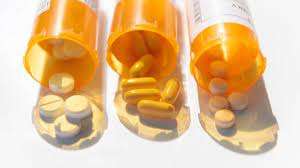
The practice of carbohydrate counting is an effective strategy within diabetes management. It involves tracking carbohydrate intake to maintain balanced blood sugar levels after meals all day long.
- Importance: Carbohydrate intake directly influences post-meal blood glucose spikes; thus keeping it in check helps avoid complications associated with high sugars.
- Simplifying Tracking: Patients learn how many grams of carbohydrates are available in various foods through education on portion sizes and label reading skills.
- Meal Planning Strategies: Developing personalized meal plans that incorporate healthy carb choices supports sustained energy while controlling glucose variations throughout the day.
- Long-Term Benefits: This approach fosters mindful eating habits leading ultimately towards improved overall nutrition while effectively managing one's condition without feeling deprived of favorite foods.
The skillset acquired from carbohydrate counting empowers patients towards making healthier dietary selections that suit individual lifestyles while preserving wellness goals
DIABETIC RETINOPATHY TREATMENT
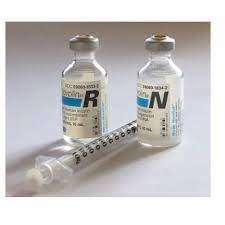
Diabetic retinopathy is a common complication among diabetics affecting vision. Timely treatment is crucial for preventing irreversible damage to the eyes caused by prolonged high blood sugar levels.
- Risk Factors: Key indicators include duration of diabetes, poor management of blood glucose levels, and hypertension.
- Diagnosis Techniques: Comprehensive eye exams using dilated fundus examinations help identify early signs before noticeable symptoms arise.
- Treatment Modalities: Options range from laser therapy aimed at sealing leaking vessels to intravitreal injections that target abnormal growth of new vessels.
- Aftercare Insights: Regular follow-up visits are essential post-treatment to monitor eye health and make necessary adjustments in diabetic management strategies.
Addressing retinopathy aggressively can preserve vision and ensure better quality of life for affected individuals
BARIATRIC SURGERY
Bariatric surgery has emerged as an effective intervention for obese patients struggling with type 2 diabetes. This surgical option aims not only at weight loss but also at reversing diabetic symptoms in eligible individuals.
- Candidacy Criteria: Typically considered for those with a BMI over 35 who have not achieved weight loss results through conventional methods like diet or exercise alone.
- Surgical Options Available: Various procedures exist, including gastric bypass or sleeve gastrectomy, each tailored according to individual needs
This surgical approach serves as a powerful tool for those seeking long-term solutions beyond medication alone.
DIABETES EDUCATION PROGRAMS
A comprehensive diabetes education program is vital for equipping patients with the knowledge needed to manage their condition effectively. Understanding diabetes is key to making informed health choices.
- Main Goals: These programs focus on dietary adjustments, exercise regimens, medication adherence, and monitoring techniques essential for managing diabetes symptoms.
- Simplifying Management: Participants learn about carbohydrate counting, reading food labels, and recognizing signs of hypo- or hyperglycemia.
- Disease Understanding: Education also covers the causes of various complications associated with poorly managed diabetes over time.
- Coping Strategies: Engaging in group discussions fosters community support and shared experiences among participants dealing with similar challenges.
An informed patient is more equipped to prevent complications and achieve better health outcomes over time through these educational avenues.
INSULIN PUMP THERAPY
Insulin pump therapy offers a viable option for those living with diabetes who require consistent insulin delivery. This method maintains better blood sugar control by supplying insulin at predetermined intervals.
- Symptoms & Causes: Patients may find traditional insulin injections inconvenient or insufficient for keeping blood sugar levels steady.
- Diagnosis: Ideal candidates include individuals experiencing severe fluctuations or those aiming for tighter control over their diabetes management.
- Treatment Management: The pump delivers rapid-acting insulin through a small catheter inserted under the skin, allowing for programmable dosing.
- Coping Mechanism: Users often report improved quality of life due to reduced injections and greater flexibility in lifestyle choices.
- Future Adjustments: Regular check-ups are essential to recalibrate the pump settings based on evolving health conditions and lifestyle changes.
This approach not only simplifies daily routines but also empowers patients towards better self-management of their diabetes.
CONTINUOUS GLUCOSE MONITORING (CGM)
Continuous Glucose Monitoring (CGM) is a technology that allows individuals with diabetes to track their blood glucose levels throughout the day. This method provides real-time data and helps patients manage their diabetes more effectively.
- Symptoms & Causes: Individuals requiring CGM often experience fluctuating blood sugar levels, which can lead to complications if unmanaged.
- Diagnosis: CGM is indicated for patients with type 1 or type 2 diabetes who struggle with maintaining stable glucose levels.
- Treatment Options: The device consists of a small sensor placed under the skin, which continuously measures glucose and sends data to a monitor or smartphone.
- Management: Patients can adjust their insulin dosages based on real-time readings, significantly improving overall glucose control.
- What to Expect: Regular consultation is recommended to interpret CGM data and optimize treatment plans accordingly.
This advanced monitoring technique plays a critical role in diabetes management and enhances patient independence in managing their condition.