
DR Rajiv Singh T
About Me
DR Rajiv Singh T
MBBS
Dermatologist
10 Years Experience
Biography
My Clinic
OPD Hours
| Monday | Morning | 10:00 AM | - | 02:00 PM |
| Evening | 06:00 PM | - | 09:00 PM | |
| Tuesday | Morning | 10:00 AM | - | 02:00 PM |
| Evening | 06:00 PM | - | 09:00 PM | |
| Wednesday | Morning | 10:00 AM | - | 02:00 PM |
| Evening | 06:00 PM | - | 09:00 PM | |
| Thursday | Morning | 10:00 AM | - | 02:00 PM |
| Evening | 06:00 PM | - | 09:00 PM | |
| Friday | Morning | 10:00 AM | - | 02:00 PM |
| Evening | 06:00 PM | - | 09:00 PM | |
| Saturday | Morning | 10:00 AM | - | 02:00 PM |
| Evening | 06:00 PM | - | 09:00 PM | |
| Sunday | Morning | 10:00 AM | - | 02:00 PM |
| Evening | 06:00 PM | - | 09:00 PM |
Treatments
Specialised care and treatments offered
FUNGAL SKIN INFECTIONS (DERMATOPHYTOSIS)
Dermatophytosis refers to superficial fungal infections affecting keratinized tissues such as skin, hair follicles or nails caused by dermatophyte fungi. These infections are common worldwide especially in warm humid climates creating ideal conditions for fungus growth.
- Clinical features include ring-shaped scaly patches with central clearing plus itching often observed in areas prone to moisture accumulation like groin (tinea cruris), feet (tinea pedis) or scalp (tinea capitis).
- Diagnosis typically involves identifying characteristic lesions clinically along with laboratory tests such as KOH mount microscopy confirming fungal elements presence if needed.
- Treatment modalities comprise topical antifungal creams as first-line for localized involvement whereas extensive infections might require systemic antifungals administered under professional guidance.
- Preventive measures include maintaining hygiene dryness wearing breathable clothing & avoiding shared personal items minimizing recurrence risk accordingly.
Early recognition coupled with appropriate treatment allows complete resolution in most cases preventing spread & improving patient comfort markedly throughout therapy duration.
VITILIGO
This autoimmune disorder leads to the loss of melanocytes causing well-defined white patches on the skin where pigment is absent. It can affect any age group but often starts between ages 10-30 years old.
- The primary symptom includes depigmented macules that tend to enlarge gradually with possible symmetry across both sides of body parts such as hands, feet, face etcetera;
- The cause: destruction of pigment-producing cells due to autoimmune mechanisms combined possibly with genetic predisposition;
- A dermatologist confirms diagnosis through clinical appearance supported by methods like Wood’s lamp examination highlighting depigmentation area clearly;
- Treatment strategies include phototherapy (narrowband UVB), topical corticosteroids or calcineurin inhibitors aiming at halting progression & stimulating repigmentation;
- Counseling patients about psychological effects is essential since vitiligo can impact self-esteem although it generally does not cause physical discomfort;
An individualized treatment approach helps achieve stabilization and potential cosmetic improvement restoring confidence over time despite its chronic nature;
MELASMA
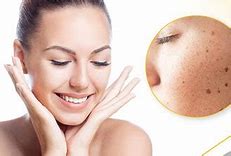
Melasma is a pigmentation disorder predominantly seen in adults characterized by brown or gray-brown patches appearing symmetrically on sun-exposed areas usually the face. It mostly affects women but can occur in men as well.
- The main presentation: irregularly shaped hyperpigmented macules across cheeks, forehead, upper lip potentially linked to hormonal influences like pregnancy or oral contraceptives.
- The exact cause relates to increased melanin production triggered by ultraviolet radiation exposure coupled with genetic susceptibility and hormonal changes.
- A dermatologist diagnoses melasma clinically supported sometimes by tools such as Wood’s lamp examination for pigment depth assessment.
- Treatment aims at reducing pigmentation using topical depigmenting agents including hydroquinone and azelaic acid along with strict sun protection measures preventing further darkening of lesions.
- Lifestyle modification including avoidance of direct sunlight exposure during peak hours plays an important preventive role following treatment initiation for best outcomes.
Persistence varies among individuals but continuous management can significantly lighten the pigmentation improving cosmetic appearance greatly over time.
ATOPIC DERMATITIS
This chronic inflammatory skin disease causes itchy rashes frequently appearing in children but can affect adults too. It results from genetic predisposition combined with environmental triggers affecting the skin barrier function.
- The symptoms entail dry, red, scaly patches commonly found on flexural areas like elbows or behind knees accompanied by intense itching.
- The underlying causes: immune system dysregulation causing inflammation along with defective epidermal barrier leading to moisture loss.
- The diagnosis is clinical based on history of recurrent eczematous lesions along with characteristic distribution patterns; allergy testing may assist identifying triggers in some cases.
- Treatment involves regular emollient application to maintain hydration alongside topical corticosteroids or calcineurin inhibitors during flare-ups; addressing lifestyle modifications is crucial as well.
- Avoiding irritants such as harsh soaps or allergens helps reduce exacerbations over time while patient education plays a significant role in management success.
A consistent skincare regimen tailored to individual needs promotes symptom control and improves comfort substantially for those living with atopic dermatitis.
ACNE VULGARIS
Acne vulgaris is a prevalent inflammatory skin condition that primarily affects adolescents but can persist into adulthood. It involves the pilosebaceous units where oil production and bacteria lead to blemishes.
- Presentation: comedones (blackheads and whiteheads), pustules, papules, nodules on face, chest, or back are typical signs.
- The cause includes excess sebum production, follicular hyperkeratinization, bacterial colonization (Cutibacterium acnes), and inflammation.
- A healthcare provider diagnoses acne mainly through physical examination of skin lesions without needing laboratory tests unless complications arise.
- Treatment depends on severity; options include topical retinoids, benzoyl peroxide, antibiotics, hormonal therapy for females, or systemic isotretinoin for severe cases.
- Lifestyle factors such as gentle cleansing routines and avoiding pore-clogging products support medical therapy effectiveness.
Early intervention helps prevent scarring and improves psychosocial impact associated with this condition.
PSORIASIS
Psoriasis is a common chronic skin disorder characterized by an accelerated build-up of skin cells, leading to scaling and inflammation. It can affect various parts of the body and often follows a cyclical pattern of flare-ups and remission.
- Symptoms include red patches covered with thick, silvery scales, itching, dry cracked skin that may bleed, and sometimes joint pain in psoriatic arthritis.
- Causes involve an overactive immune system triggering inflammation and rapid skin cell growth; genetics and environmental factors also contribute.
- Diagnosis is primarily clinical based on lesion appearance but may be confirmed by a skin biopsy in uncertain cases.
- Treatment options range from topical agents such as corticosteroids and vitamin D analogs to phototherapy and systemic medications for severe cases.
- Management includes moisturizing regularly, avoiding triggers like stress or infections, and adhering to prescribed therapies.
With proper care, symptoms can often be controlled effectively to improve quality of life despite psoriasis being a lifelong condition.