
Dr Rajesh Sinwer
About Me
Dr Rajesh Sinwer
MD
Oncologist
Biography
My Clinic
OPD Hours
| Monday | Morning | 10:00 AM | - | 02:00 PM |
| Evening | 06:00 PM | - | 09:00 PM | |
| Tuesday | Morning | 10:00 AM | - | 02:00 PM |
| Evening | 06:00 PM | - | 09:00 PM | |
| Wednesday | Morning | 10:00 AM | - | 02:00 PM |
| Evening | 06:00 PM | - | 09:00 PM | |
| Thursday | Morning | 10:00 AM | - | 02:00 PM |
| Evening | 06:00 PM | - | 09:00 PM | |
| Friday | Morning | 10:00 AM | - | 02:00 PM |
| Evening | 06:00 PM | - | 09:00 PM | |
| Saturday | Morning | 10:00 AM | - | 02:00 PM |
| Evening | 06:00 PM | - | 09:00 PM | |
| Sunday | Morning | 10:00 AM | - | 02:00 PM |
| Evening | 06:00 PM | - | 09:00 PM |
Treatments
Specialised care and treatments offered
SKIN CANCER
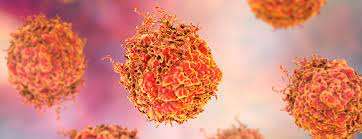
Skin cancer includes various malignancies arising from skin cells; it’s crucial to detect them early for effective treatment outcomes. Regular skin checks can help identify suspicious moles or growths at an early stage.... .. .. .. Diagnosis usually involves physical exams complemented by biopsies where necessary....
HEMATOLOGICAL MALIGNANCIES
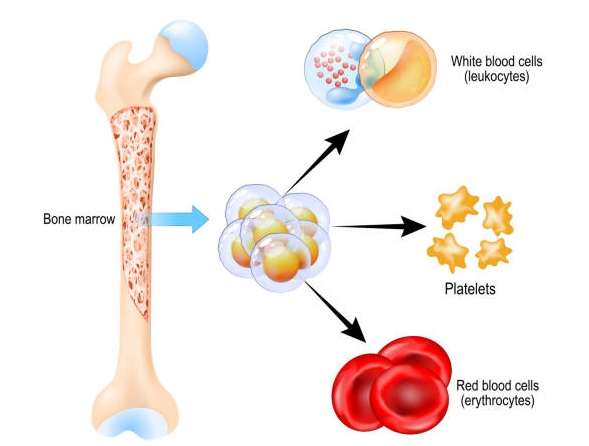
This group encompasses cancers affecting blood cells such as leukemia and lymphoma. These conditions can disrupt normal blood function leading to various systemic issues if not identified promptly...
- Symptoms may manifest as fatigue, frequent infections, unexplained bruising or bleeding due to abnormalities in blood cell counts.... Diagnosis frequently leverages blood tests combined with bone marrow examinations...... Treatment protocols are diverse ranging from chemotherapy regimens to targeted therapies tailored according to specific conditions..... Continuous monitoring post-treatment aids recovery while addressing any side effects effectively....
PROSTATE CANCER

This malignancy arises in the prostate gland and is primarily prevalent among older males. It’s crucial to monitor prostate health due to its potential progression rate varies significantly among patients.
- The common indicators include difficulty urinating, blood in urine or semen, and painful ejaculation.
- Detection often utilizes prostate-specific antigen (PSA) testing alongside digital rectal exams (DRE).
- Treatment modalities may include active surveillance for less aggressive disease or interventions like surgery, hormone therapy, or radiation for more advanced cases.
- Psycho-social support is essential as patients navigate their treatment options and manage emotional well-being during this challenging time.
Catching prostate cancer early enhances prospects for effective management while improving overall patient experience during treatment stages.
COLORECTAL CANCER
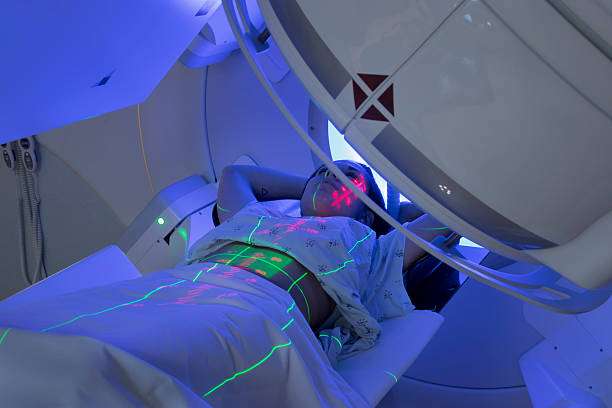
This form of cancer affects the colon or rectum and is often associated with lifestyle factors. Screening plays an essential role in prevention by identifying polyps that could develop into cancer over time.
- Signs may include changes in bowel habits, blood in stool, abdominal discomfort, or unexplained weight loss.
- Healthcare providers use colonoscopy and imaging studies to diagnose colorectal cancer accurately.
- Treatment typically comprises surgery to remove tumors followed by chemotherapy or radiation as needed for advanced stages.
- A supportive care team may assist patients with managing side effects and maintaining quality of life throughout their journey.
Awareness of colorectal cancer symptoms aids early detection, which is essential for effective treatment outcomes.
LUNG CANCER
Lung cancer is one of the most serious types of cancer, primarily affecting smokers but also those exposed to secondhand smoke or other risk factors. Recognizing early symptoms is crucial for treatment success.
- Common symptoms include a persistent cough, chest pain, weight loss, and coughing up blood.
- A diagnosis usually involves imaging tests like X-rays or CT scans along with an analysis of tissue samples through a biopsy.
- Treatment strategies might consist of surgery, radiation therapy, or chemotherapy based on the tumor's characteristics and stage.
- Palliative care can also be integrated to provide relief from symptoms throughout the treatment process.
Lung cancer treatment requires a tailored approach that considers individual health needs and preferences.
BREAST CANCER
Breast cancer is a type of cancer that forms in the cells of the breasts. It can occur in both men and women, although it is far more common in women. Early detection through screening can significantly improve the chances of successful treatment.
- Symptoms may include a lump in the breast, changes in breast size or shape, and unusual discharge from the nipple.
- Diagnosis typically involves imaging tests such as mammograms and ultrasounds, followed by a biopsy to confirm the presence of cancerous cells.
- Treatment options range from surgery and radiation to chemotherapy and hormonal therapy, depending on the stage and type of breast cancer.
- Patients can expect a comprehensive care approach that includes regular follow-ups and support services during recovery.
Understanding breast cancer is vital for effective management. Early intervention often leads to better health outcomes.