
Dr Rajesh Sharma
About Me
Dr Rajesh Sharma
MBBS
General Physician
10 Years Experience
Biography
My Clinic
OPD Hours
| Monday | Morning | 10:00 AM | - | 02:00 PM |
| Evening | 06:00 PM | - | 09:00 PM | |
| Tuesday | Morning | 10:00 AM | - | 02:00 PM |
| Evening | 06:00 PM | - | 09:00 PM | |
| Wednesday | Morning | 10:00 AM | - | 02:00 PM |
| Evening | 06:00 PM | - | 09:00 PM | |
| Thursday | Morning | 10:00 AM | - | 02:00 PM |
| Evening | 06:00 PM | - | 09:00 PM | |
| Friday | Morning | 10:00 AM | - | 02:00 PM |
| Evening | 06:00 PM | - | 09:00 PM | |
| Saturday | Morning | 10:00 AM | - | 02:00 PM |
| Evening | 06:00 PM | - | 09:00 PM | |
| Sunday | Morning | 10:00 AM | - | 02:00 PM |
| Evening | 06:00 PM | - | 09:00 PM |
Treatments
Specialised care and treatments offered
GASTROESOPHAGEAL REFLUX DISEASE (GERD)
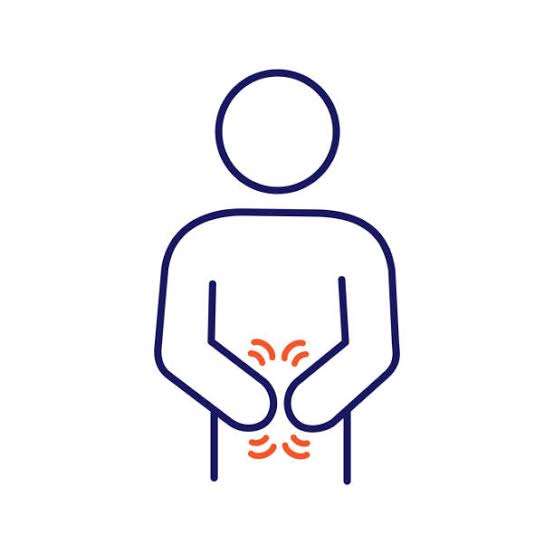
This condition arises when stomach acid consistently flows back into the esophagus causing irritation. It frequently results in discomfort but can be managed adequately with appropriate measures in place.
- Symptoms : Common complaints involve heartburn alongside regurgitation especially post meals.
- Causes : Lifestyle factors like overeating or lying down immediately after meals typically exacerbate GERD symptoms.
- Diagnosis : A doctor may recommend endoscopy if over-the-counter treatments fail providing necessary insights regarding esophageal function.
- Treatment options : Lifestyle modifications coupled with prescription medications help control gastric secretions thereby minimizing reflux episodes over time
A systematic approach towards understanding GERD contributes largely towards alleviating symptomatology while improving digestive health significantly
HEALTHY WEIGHT MANAGEMENT

Achieving and maintaining a healthy weight is fundamental for prevention against various diseases such as diabetes and heart conditions. It requires ongoing commitment to dietary choices and physical activity levels.
- Symptoms : Obesity linked health issues encompass increased cholesterol levels and risk of developing metabolic syndrome.
- Causes : Contributing factors include poor eating habits combined with sedentary behaviors impacting weight gain.
- Treatment options : Strategies consist of personalized meal planning alongside regular exercise routines tailored to individual needs.
- What to expect : Progress entails gradual changes leading towards optimal health outcomes instead of quick fixes which are rarely sustainable.
Commitment towards achievable weight goals promotes long-term wellbeing enhancing quality of life overall
INFECTIONS (COMMON COLD)

The common cold is an upper respiratory tract infection primarily caused by viruses. It presents with mild symptoms but often leads to discomfort in individuals of all ages.
- Symptoms: Typical symptoms include a runny nose, cough, sore throat, and fatigue.
- Causes: Colds are mainly spread through respiratory droplets from infected individuals or surfaces contaminated with the virus.
- Diagnosis: Diagnosis usually involves discussing symptoms with a healthcare provider without requiring extensive testing unless complications arise.
The focus remains on rest and hydration while managing symptoms until the immune system clears the infection naturally.
SEASONAL ALLERGIES
Seasonal allergies occur when your immune system overreacts to airborne pollen from trees, grasses, or weeds. These can significantly impact daily life during certain seasons.
- Symptoms: Common signs include sneezing, itchy eyes, and nasal congestion.
- Causes: Allergies are triggered by environmental factors such as pollen exposure during specific times of the year.
- Diagnosis: Allergy testing can determine the specific allergens responsible for symptoms.
- Treatment options: Management strategies include avoiding triggers, taking antihistamines, or using nasal corticosteroids as prescribed by healthcare providers.
A proactive approach in managing seasonal allergies will help reduce symptoms and improve overall well-being during allergy season.
DIABETES MANAGEMENT

Diabetes is a chronic condition that affects how your body metabolizes sugar. Proper management is essential to prevent complications like heart disease and nerve damage.
- Symptoms: Individuals may experience increased thirst, frequent urination, and fatigue.
- Causes: Factors include genetics, obesity, and sedentary lifestyle choices.
- Diagnosis: Blood tests measuring glucose levels confirm the diagnosis of diabetes.
- Treatment options: Treatment encompasses dietary changes, regular exercise, glucose monitoring, and possibly insulin therapy or oral medications.
- What to expect: Ongoing support through education on diabetes self-management is critical for maintaining glucose levels.
A comprehensive approach ensures effective management of diabetes and enhances the quality of life for those affected by this condition.
HYPERTENSION
Hypertension, commonly known as high blood pressure, is a significant health concern that often goes unnoticed. It can lead to serious complications if left untreated, including heart disease and stroke.
- Symptoms: Many individuals may not experience noticeable symptoms; however, some may feel headaches or dizziness.
- Causes: Factors contributing to hypertension include obesity, lack of physical activity, and excessive salt intake.
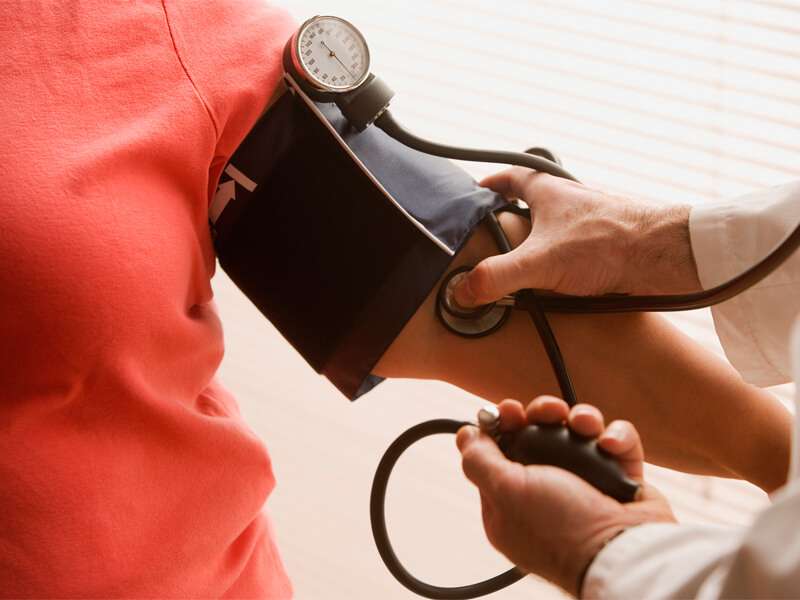
- Diagnosis: Blood pressure is measured using a sphygmomanometer during routine check-ups.
- Treatment options: Management may involve lifestyle changes such as diet and exercise, along with medications prescribed by healthcare professionals.
- What to expect: Regular monitoring and follow-up appointments are essential to manage blood pressure effectively.
Understanding and managing hypertension is crucial for long-term health. Regular check-ups can help keep your blood pressure within a healthy range.