
Dr Rajesh Ku Tiwa
About Me
Dr Rajesh Ku Tiwa
MBBS
Diabetologist
10 Years Experience
Biography
My Clinic
OPD Hours
| Monday | Morning | 10:00 AM | - | 02:00 PM |
| Evening | 06:00 PM | - | 09:00 PM | |
| Tuesday | Morning | 10:00 AM | - | 02:00 PM |
| Evening | 06:00 PM | - | 09:00 PM | |
| Wednesday | Morning | 10:00 AM | - | 02:00 PM |
| Evening | 06:00 PM | - | 09:00 PM | |
| Thursday | Morning | 10:00 AM | - | 02:00 PM |
| Evening | 06:00 PM | - | 09:00 PM | |
| Friday | Morning | 10:00 AM | - | 02:00 PM |
| Evening | 06:00 PM | - | 09:00 PM | |
| Saturday | Morning | 10:00 AM | - | 02:00 PM |
| Evening | 06:00 PM | - | 09:00 PM | |
| Sunday | Morning | 10:00 AM | - | 02:00 PM |
| Evening | 06:00 PM | - | 09:00 PM |
Treatments
Specialised care and treatments offered
LIFESTYLE MODIFICATION SUPPORT
Lifestyle changes are foundational for diabetes management. Support includes guidance on exercise routines, weight loss strategies, stress reduction, and smoking cessation tailored specifically for people living with diabetes.
INSULIN THERAPY INITIATION
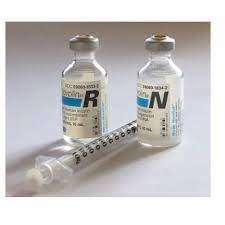
If oral medications no longer maintain blood sugar within target ranges, initiating insulin therapy becomes necessary. This treatment facilitates effective glucose control by supplementing or replacing natural insulin production.
- Symptoms/causes: Persistently high blood sugars despite other treatments signal need for insulin injections.
- Diagnosis: Blood glucose monitoring identifies uncontrolled hyperglycemia requiring insulin use;
- Treatment/management: Insulin types vary from rapid-acting to long-acting; doses tailored individually depending on needs and lifestyle factors
NUTRITIONAL COUNSELING FOR DIABETES
A tailored diet plan is essential in managing diabetes effectively. Nutritional counseling focuses on balanced meals that stabilize blood sugar while supporting overall health.
- Symptoms/causes: Imbalanced nutrition can worsen glycemic control and increase risk of complications.
- Diagnosis: Dietary reviews assess eating habits contributing to elevated glucose or weight issues.
- Treatment/management: Personalized meal plans emphasize appropriate carbohydrate intake, fiber-rich foods, and portion control strategies.
- What to expect: Ongoing guidance helps patients adjust eating patterns sustainably alongside medications and physical activity routines.
This approach empowers individuals with knowledge about food’s impact on diabetes facilitating long-term success in disease management through lifestyle modifications.
ORAL HYPOGLYCEMIC AGENTS MANAGEMENT
Taking oral medications correctly plays a vital role in controlling blood sugar levels for many people with type 2 diabetes. Understanding these medicines improves adherence and outcomes.
- Symptoms/causes: Elevated blood sugar results from insulin resistance or deficient insulin secretion addressed by these drugs.
- Diagnosis: Blood tests determine glucose control guiding medication choices and dosage adjustments.
- Treatment/management: Common oral agents include metformin, sulfonylureas, DPP-4 inhibitors; prescribed based on individual needs.
- What to expect: Medications lower glucose through various mechanisms; side effects are monitored closely during therapy initiation.
A well-planned regimen combining medication with lifestyle changes is fundamental in achieving stable glycemic control safely over time.
DIABETIC FOOT CARE
Caring for your feet is crucial when managing diabetes due to increased risk of infections and ulcers. Proper foot care can prevent severe complications including amputations.
- Symptoms/causes: Diabetes can cause neuropathy and poor circulation leading to numbness and wounds that heal slowly.
- Diagnosis: Routine foot examinations assess sensation, skin integrity, and blood flow to detect early problems.
- Treatment/management: Daily foot hygiene, moisturizing, proper footwear, and prompt treatment of minor injuries are essential steps.
- What to expect: Regular check-ups help monitor foot health; education on self-care reduces risks significantly.
Preventative foot care is a cornerstone in avoiding serious diabetic complications by identifying risks early and maintaining healthy skin integrity.
CONTINUOUS GLUCOSE MONITORING (CGM)
Monitoring blood sugar levels continuously helps in better diabetes management and prevention of complications. Continuous Glucose Monitoring (CGM) devices provide real-time data on glucose trends, allowing patients and doctors to make informed decisions.
- Symptoms/causes: Helps detect fluctuations in glucose levels that may not be apparent with periodic testing.
- Diagnosis: CGM uses a small sensor inserted under the skin to measure interstitial glucose every few minutes.
- Treatment/management: Enables timely adjustments in diet, medication, and activity based on detailed glucose patterns.
- What to expect: Users wear a sensor for several days to weeks; the device sends data wirelessly to a monitor or smartphone app.
This technology empowers patients by providing continuous insight into their glycemic control, helping reduce episodes of hypo- and hyperglycemia effectively.