
Dr Rajendra Dhar
About Me
Dr Rajendra Dhar
MD
Diabetologist
10 Years Experience
Biography
My Clinic
OPD Hours
| Monday | Morning | 10:00 AM | - | 02:00 PM |
| Evening | 06:00 PM | - | 09:00 PM | |
| Tuesday | Morning | 10:00 AM | - | 02:00 PM |
| Evening | 06:00 PM | - | 09:00 PM | |
| Wednesday | Morning | 10:00 AM | - | 02:00 PM |
| Evening | 06:00 PM | - | 09:00 PM | |
| Thursday | Morning | 10:00 AM | - | 02:00 PM |
| Evening | 06:00 PM | - | 09:00 PM | |
| Friday | Morning | 10:00 AM | - | 02:00 PM |
| Evening | 06:00 PM | - | 09:00 PM | |
| Saturday | Morning | 10:00 AM | - | 02:00 PM |
| Evening | 06:00 PM | - | 09:00 PM | |
| Sunday | Morning | 10:00 AM | - | 02:00 PM |
| Evening | 06:00 PM | - | 09:00 PM |
Treatments
Specialised care and treatments offered
PREDIABETES MANAGEMENT

This condition signifies higher than normal blood glucose levels but not yet high enough for a Type 2 diabetes diagnosis. Recognizing prediabetes enables proactive measures that can potentially reverse this trend before it progresses into full-blown diabetes.
- Signs: Typically asymptomatic but associated with risk factors like obesity or sedentary lifestyle;
- Assessment: Screening via fasting glucose tests regularly provides insight into risk status;
- Intervention strategies: Focused on diet modification emphasized by whole food choices & regular physical activities stretching aerobic exercises aimed at increasing metabolism;
- What lies ahead.: Consistent evaluations consider progress toward normalizing metrics allowing patients awareness needed moving forward;
The commitment shown here lays groundwork determining long-term health prospects substantially enhancing quality living amid potential concerns toward lifestyle-related chronic conditions over time.;
DIABETIC RETINOPATHY
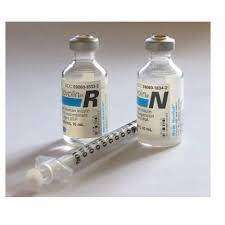
This eye disease results from damage to the blood vessels in the retina due to high blood sugar levels. It's important for those with diabetes to have routine eye exams since symptoms may not appear until considerable damage has occurred.
- Symptoms: Blurred vision or floaters; advanced stages may lead to blindness if left untreated.
DIABETIC NEUROPATHY
This complication arises from prolonged high blood sugar levels that damage nerves throughout the body. It often leads to pain or loss of sensation in feet and hands. Understanding this condition is essential for early detection.
- Symptoms: Tingling or burning sensations in extremities, sharp pain or sensitivity to touch, muscle weakness, numbness in affected areas.
- Diagnosis: Neurological examination along with nerve conduction studies may be performed?
- Treatment Options: Management includes pain relief medications, lifestyle adjustments such as diet changes or exercise programs tailored for nerve health maintenance.
A proactive approach helps prevent further complications related to diabetic neuropathy and improves overall well-being by focusing on symptom management along with regular follow-ups.
TYPE 2 DIABETES
This chronic condition affects how your body metabolizes sugar (glucose). It often develops due to lifestyle factors and genetics, leading to insulin resistance over time. Early intervention can make a significant difference in outcomes.
- Symptoms: Increased thirst and hunger, frequent urination, weight loss despite increased appetite, fatigue.
- Diagnosis: Blood tests reveal elevated fasting blood glucose or hemoglobin A1c levels.
- Treatment Strategies: Lifestyle modifications including diet and exercise are first-line treatments; medication may be required for better glycemic control.
- Monitoring: Regular blood sugar testing is crucial for managing the condition effectively over time.
Education about diabetes management empowers patients leading to improved health outcomes and quality of life.
GESTATIONAL DIABETES
This type of diabetes develops during pregnancy when the body cannot produce enough insulin. It typically resolves after childbirth but can have implications for both mother and baby if not managed properly.
- Symptoms: Often asymptomatic; routine screening is necessary during pregnancy.
- Diagnosis: Glucose tolerance tests are performed around the 24th week of pregnancy.
- Treatment/Management: Involves dietary changes, physical activity recommendations, and sometimes insulin therapy if blood sugar levels remain high.
- Follow-Up Care: Regular monitoring to ensure glucose levels return to normal post-delivery.
With proper management strategies in place, mothers can lead healthy pregnancies while minimizing risks to their newborns.
TYPE 1 DIABETES
This autoimmune condition occurs when the body's immune system attacks insulin-producing beta cells in the pancreas. As a result, individuals with Type 1 Diabetes require lifelong insulin therapy and monitoring of blood sugar levels.
- Symptoms: Frequent urination, excessive thirst, extreme hunger, fatigue, and blurred vision.
- Diagnosis: Blood tests for glucose levels and ketones are utilized to confirm the condition.
- Treatment Options: Insulin injections or an insulin pump, along with continuous glucose monitoring systems.
- Management: Regular monitoring of blood sugar levels, a balanced diet, exercise, and education on managing hypoglycemia and hyperglycemia.
- What to Expect: A supportive care plan that involves routine check-ups and possible lifestyle adjustments to achieve optimal health outcomes.
Managing Type 1 Diabetes effectively requires a collaborative approach between patient, family, and healthcare teams focusing on education and support.