
Dr Rajeev Dixit
About Me
Dr Rajeev Dixit
MBBS
Dermatologist
10 Years Experience
Biography
My Clinic
OPD Hours
| Monday | Morning | 10:00 AM | - | 02:00 PM |
| Evening | 06:00 PM | - | 09:00 PM | |
| Tuesday | Morning | 10:00 AM | - | 02:00 PM |
| Evening | 06:00 PM | - | 09:00 PM | |
| Wednesday | Morning | 10:00 AM | - | 02:00 PM |
| Evening | 06:00 PM | - | 09:00 PM | |
| Thursday | Morning | 10:00 AM | - | 02:00 PM |
| Evening | 06:00 PM | - | 09:00 PM | |
| Friday | Morning | 10:00 AM | - | 02:00 PM |
| Evening | 06:00 PM | - | 09:00 PM | |
| Saturday | Morning | 10:00 AM | - | 02:00 PM |
| Evening | 06:00 PM | - | 09:00 PM | |
| Sunday | Morning | 10:00 AM | - | 02:00 PM |
| Evening | 06:00 PM | - | 09:00 PM |
Treatments
Specialised care and treatments offered
ROSACEA MANAGEMENT
This chronic condition involves facial redness often accompanied by visible blood vessels or acne-like bumps. Early intervention helps minimize persistent signs effectively. Symptoms/causes: Facial flushing episodes triggered by heat exposure, spicy food, alcohol or stress leading gradually to persistent erythema;< li >< strong > Diagnosis: Clinical evaluation confirming typical features mostly on central face including nose cheeks forehead;< li >< strong > Treatment options: Gentle skincare routines avoiding irritants along with topical metronidazole or azelaic acid creams as first line therapies;< li >< strong > What to expect: Improvement usually visible after several weeks though continuous care required for symptom control;< p > Adopting preventative measures coupled with prescribed medical treatment allows better management outcomes in rosacea sufferers.
SEBORRHEIC DERMATITIS CONTROL
This common inflammatory condition primarily affects oily areas such as the scalp and face causing flaky scales. Proper management reduces symptoms significantly.
- Symptoms/causes: Redness accompanied by greasy scales or dandruff-like flakes; related to yeast Malassezia proliferation along with individual susceptibility factors.
- Diagnosis: Usually diagnosed clinically from characteristic distribution and appearance; < strong > Treatment options: medicated shampoos containing ketoconazole or selenium sulfide for scalp involvement; mild topical corticosteroids or antifungals for facial use;< li >< strong > What to expect: Symptoms generally improve within a few weeks but may recur requiring ongoing maintenance therapy;< p > Maintaining good scalp hygiene alongside targeted treatments helps keep seborrheic dermatitis under control sustainably.
HYPERPIGMENTATION TREATMENT
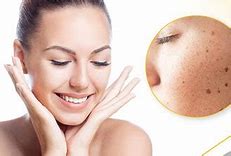
An uneven darkening of the skin can result from several causes including sun exposure or inflammation. Managing hyperpigmentation enhances skin tone balance peacefully.
- Symptoms/causes: Dark patches or spots on sun-exposed areas or following skin injury (post-inflammatory); influenced by UV radiation and hormonal changes.
- Diagnosis: Visual inspection usually suffices; dermatoscopy can help differentiate types of pigmentation disorders.
- Treatment options: Use of broad-spectrum sunscreen daily; topical agents like vitamin C, hydroquinone alternatives; chemical peels under supervision if appropriate;
- What to expect: Gradual lightening over weeks to months with diligent sun protection essential throughout treatment course.
A patient’s commitment to sun safety combined with tailored topical treatments provides significant improvement for hyperpigmentation concerns.
ECZEMA (ATOPIC DERMATITIS) MANAGEMENT
Eczema is an inflammation of the skin characterized by redness and intense itching. Managing it effectively helps prevent discomfort and secondary infections.
- Symptoms/causes: Dry, itchy patches often in folds of the skin; caused by genetic and environmental factors plus immune response abnormalities.
- Diagnosis: Typically clinical based on appearance and history; allergy tests may be recommended if triggers are suspected.
- Treatment options: Regular emollient application to restore moisture barrier; topical steroids during flare-ups; avoidance of irritants and allergens is crucial.
- What to expect: Fluctuating symptoms with appropriate care leading to relief from itching and improved skin texture.
A consistent skincare routine along with trigger avoidance plays a key role in controlling eczema symptoms over time.
PSORIASIS CARE
This chronic autoimmune condition causes rapid skin cell buildup resulting in thickened, scaly patches. Psoriasis requires careful long-term management to reduce flare-ups.
- Symptoms/causes: Red plaques covered with silvery scales commonly on elbows, knees, scalp; triggered by stress, infections, or injury.
- Diagnosis: Physical examination and sometimes skin biopsy to confirm the characteristic appearance.
- Treatment options: Emollients for hydration; topical corticosteroids; phototherapy in certain cases; lifestyle adjustments including avoiding known triggers.
- What to expect: Periods of remission alternating with flare-ups; improvements typically seen within weeks of starting treatment.
Lifestyle changes combined with targeted therapies can significantly improve quality of life for those affected by psoriasis.
ACNE MANAGEMENT
Acne is a common skin condition that affects individuals of various ages, often causing discomfort and self-consciousness. It arises due to blocked hair follicles and excess oil production.
- Symptoms/causes: Pimples, blackheads, whiteheads; influenced by hormonal changes, genetics, and lifestyle factors.
- Diagnosis: Clinical examination to assess the type and severity of acne, including lesion counting.
- Treatment options: Topical retinoids, antibiotics, benzoyl peroxide, and gentle skincare routines; lifestyle modifications such as diet and stress management support improvement.
- What to expect: Gradual reduction in lesions over weeks to months with consistent care; potential for mild side effects like dryness or irritation from medications.
Effective acne control combines medical treatment with proper skincare habits tailored to individual needs, promoting clearer skin over time.