
Dr Rajeev Anand
About Me
Dr Rajeev Anand
MBBS
General Physician
10 Years Experience
Biography
My Clinic
OPD Hours
| Monday | Morning | 10:00 AM | - | 02:00 PM |
| Evening | 06:00 PM | - | 09:00 PM | |
| Tuesday | Morning | 10:00 AM | - | 02:00 PM |
| Evening | 06:00 PM | - | 09:00 PM | |
| Wednesday | Morning | 10:00 AM | - | 02:00 PM |
| Evening | 06:00 PM | - | 09:00 PM | |
| Thursday | Morning | 10:00 AM | - | 02:00 PM |
| Evening | 06:00 PM | - | 09:00 PM | |
| Friday | Morning | 10:00 AM | - | 02:00 PM |
| Evening | 06:00 PM | - | 09:00 PM | |
| Saturday | Morning | 10:00 AM | - | 02:00 PM |
| Evening | 06:00 PM | - | 09:00 PM | |
| Sunday | Morning | 10:00 AM | - | 02:00 PM |
| Evening | 06:00 PM | - | 09:00 PM |
Treatments
Specialised care and treatments offered
OSTEOARTHRITIS CARE
This degenerative joint condition results from cartilage breakdown leading to pain and stiffness predominantly in knees, hips or hands. Maintaining mobility is important to quality of life improvement efforts here focus strongly on symptom relief combined with functional preservation techniques that include modifications at home; exercise routines designed specifically targeting affected joints; use analgesics judiciously but under supervision due possible side effects plus non-pharmacologic methods such as heat application frequently applied concurrently alongside these measures provide notable benefit over time strengthening muscles around joints contributes further enhancing stability preventing injuries arising secondary impacts crucial element this multifaceted approach jointly developed by patients practitioners forms cornerstone modern osteoarthritis therapy continuum emphasizing holistic person-centered care throughout course illness producing best achievable outcomes daily functioning maximized independence retained often greatly appreciated by those afflicted thereby underscoring relevance multidisciplinary strategy integral general physician role direct management comprehensively customized individually tailored plans adjusted periodically reflecting evolving needs status periodically evaluated ensuring ongoing appropriateness therapeutic regimen achieving balance between risks benefits optimal symptom control enhanced life satisfaction ultimately goal cared extensively advised openly discussed setting environment fostering trust developing rapport facilitating adherence making coping easier sooner recovery begun giving hope reassurance even facing chronic nature disease complimenting medical treatment various support systems community resources effectively engaged additionally helping alleviate psychosocial burdens frequently encountered aiding maintain mental emotional wellbeing equally vital promoting overall success long term management initiative.
THYROID DISORDER MANAGEMENT

The thyroid gland regulates metabolism through hormone secretion. Dysfunction may cause hyperthyroidism or hypothyroidism impacting overall health significantly.
- Disease indicators: Hypothyroidism features fatigue, weight gain; hyperthyroidism includes weight loss, palpitations; both require evaluation for proper classification.
- Diagnostic tools: Blood tests measuring TSH, T3, T4 hormone levels confirm thyroid status accurately for tailored treatment planning.
- Therapeutic interventions:The use of synthetic hormones for hypothyroidism vs antithyroid drugs for hyperthyroidism help restore hormonal balance effectively while monitoring side effects closely is necessary.
ANEMIA EVALUATION AND TREATMENT

Anemia occurs when there are insufficient red blood cells or hemoglobin resulting in reduced oxygen delivery to tissues. It can affect energy levels dramatically.
- Syndrome characteristics: Fatigue, pallor, dizziness are common signs; causes vary from nutritional deficiencies to chronic diseases.
- Testing procedures: Complete blood count (CBC), iron studies or vitamin B12 levels help identify type of anemia present.
- Treatment modalities: Addressing underlying cause is key—iron supplements for deficiency anemia or treating chronic inflammation can improve outcomes.
- Nutritional advice: Balanced diet rich in iron-containing foods supports recovery alongside medical therapies if indicated.
A timely diagnosis combined with appropriate therapy ensures restoration of normal hemoglobin levels and symptom relief.
CHRONIC OBSTRUCTIVE PULMONARY DISEASE (COPD) MANAGEMENT
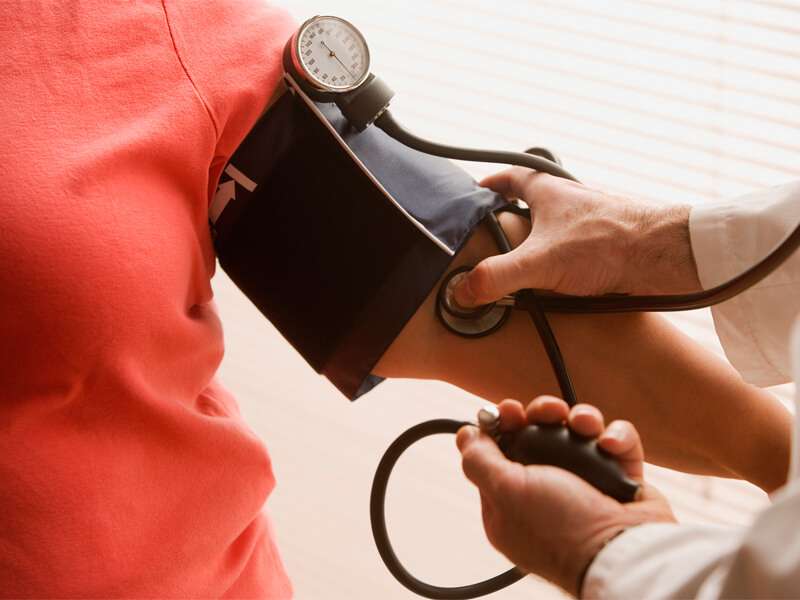
COPD is a progressive lung disease that makes breathing difficult due to airflow obstruction. Early intervention can enhance comfort and function.
- Causative factors and signs: Smoking is the leading cause; symptoms include chronic cough, shortness of breath, wheezing.
- Diagnostic methods: Pulmonary function tests measure lung capacity confirming COPD diagnosis alongside imaging studies if needed.
- Treatment approaches: Smoking cessation support, inhaled bronchodilators or steroids, pulmonary rehabilitation are commonly implemented strategies.
- Lifestyle tips: Avoiding pollutants and infections plus vaccinations help reduce exacerbations frequency.
Lifelong management focusing on symptom relief promotes better respiratory health despite disease progression.
TYPE 2 DIABETES CARE

Type 2 diabetes is a metabolic disorder involving insulin resistance leading to elevated blood sugar levels. Proper management helps prevent complications.
- Causes and symptoms: Symptoms include increased thirst, frequent urination, fatigue; risk factors include obesity and sedentary lifestyle.
- Diagnosis: Blood tests such as fasting glucose and HbA1c assess sugar control over time.
- Treatment plan: Focuses on diet changes, regular physical activity, weight loss, along with oral medications or insulin if needed.
- Monitoring: Regular monitoring of blood glucose levels along with periodic screening for complications like neuropathy or eye disease ensures comprehensive care.
A personalized approach supports maintaining stable blood sugar and improving quality of life for those affected.
HYPERTENSION MANAGEMENT
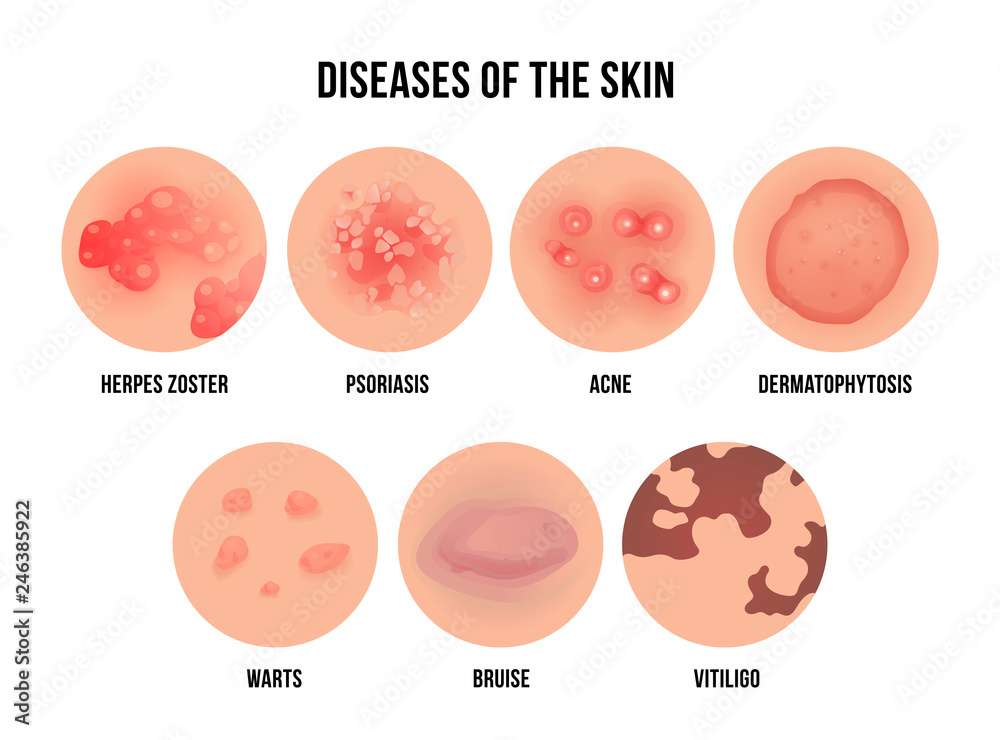
High blood pressure, or hypertension, is a common health condition characterized by consistently elevated pressure in the arteries. Managing it effectively can prevent serious complications.
- Symptoms and causes: Often called the 'silent killer,' hypertension may present no symptoms but can be influenced by genetics, diet, obesity, and stress.
- Diagnosis: Regular blood pressure measurements over time help confirm sustained high readings requiring treatment.
- Treatment options: Lifestyle modifications such as reducing salt intake, exercising regularly, and prescribed medications like ACE inhibitors or beta-blockers are commonly used.
- Monitoring: Ongoing follow-ups monitor blood pressure control and adjust therapies as needed to reduce risk of heart disease and stroke.
Understanding and actively managing hypertension is crucial for long-term cardiovascular health and overall wellbeing.