
Dr Raj Kishore Singh
About Me
Dr Raj Kishore Singh
MS
Orthopaedic Surgeons
10 Years Experience
Biography
My Clinic
OPD Hours
| Monday | Morning | 10:00 AM | - | 02:00 PM |
| Evening | 06:00 PM | - | 09:00 PM | |
| Tuesday | Morning | 10:00 AM | - | 02:00 PM |
| Evening | 06:00 PM | - | 09:00 PM | |
| Wednesday | Morning | 10:00 AM | - | 02:00 PM |
| Evening | 06:00 PM | - | 09:00 PM | |
| Thursday | Morning | 10:00 AM | - | 02:00 PM |
| Evening | 06:00 PM | - | 09:00 PM | |
| Friday | Morning | 10:00 AM | - | 02:00 PM |
| Evening | 06:00 PM | - | 09:00 PM | |
| Saturday | Morning | 10:00 AM | - | 02:00 PM |
| Evening | 06:00 PM | - | 09:00 PM | |
| Sunday | Morning | 10:00 AM | - | 02:00 PM |
| Evening | 06:00 PM | - | 09:00 PM |
Treatments
Specialised care and treatments offered
STRESS FRACTURE EVALUATION
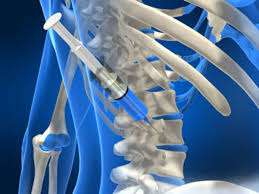
The term stress fracture refers primarily weakening injuries occurring due repetitive strain applied bones pushed beyond limits encasing high-impact activities . Restoring normalcy importance attention regarding symptoms follow progressing connected joints beneath surfaces inflicting pain clearly demanding immediate attention immediately sound judgment supports lasting wellbeing successful interface cooperation teams evidenced established proven show cases results subscribers aligning expectations.
CARTILAGE INJURY ASSESSMENT
A cartilage injury can lead to significant discomfort and impaired function in joints such as knees or hips. Understanding this condition enables targeted interventions when needed fierces effort doctors provide first-hand treatment assessments nearby healthcare regions . Diagnosing cartilage damage early helps prevent further deterioration over time
TENDONITIS EVALUATION

Tendonitis refers to inflammation or irritation of a tendon typically resulting from repetitive motion or overuse. Accurate evaluation is vital for effective management and recovery strategies.
- Main Symptoms: Individuals often report localized pain that worsens with movement, tenderness around the affected joint, swelling, and restricted range of motion.
- Plausible Causes: Commonly caused by repetitive motions in sports or occupational activities; age-related wear also plays a role in tendon degeneration leading up to tendonitis development.
- Evidential Diagnosis Techniques: Physical exams combined with imaging techniques like ultrasound help identify inflammatory changes within tendons accurately.
OSTEOPOROSIS DIAGNOSIS

This condition significantly weakens bones making them fragile and more susceptible to fractures. Early detection through diagnostic measures can help manage risks effectively.
- Symptoms: Often termed a silent disease; many individuals experience no symptoms until a fracture occurs.
- Causation Factors: Key risk factors include age-related bone density loss, hormonal imbalances (especially post-menopause), nutritional deficiencies (calcium and vitamin D), and lifestyle choices such as smoking and lack of exercise.
- Differential Diagnosis: Bone mineral density tests (DEXA scans) are commonly used alongside medical history evaluations to assess osteoporosis risk accurately.
- Treatment Strategies: Management may involve medications like bisphosphonates along with dietary modifications and exercise regimens aimed at strengthening bones.
A proactive approach focusing on prevention can significantly reduce the likelihood of fractures associated with osteoporosis over time.
BONE FRACTURE ASSESSMENT

A bone fracture refers to a break in the continuity of the bone structure. Timely assessment is essential for proper healing and restoration of normal function.
- Symptoms: Signs may include immediate pain at the injury site, swelling, bruising, and an inability to use the affected limb or area normally.
- Causative Factors: Fractures can occur due to trauma from falls, accidents, or overuse injuries during physical activities.
- Diagnostic Approach: A comprehensive evaluation typically involves X-rays or CT scans to confirm the presence and extent of a fracture.
- Treatment Protocols: Depending on severity, options range from immobilization with casts or splints for minor fractures to surgical intervention for complex breaks.
- Recovery Expectations: Healing times vary but usually require several weeks; rehabilitation might be necessary to regain strength and mobility post-healing.
A thorough assessment ensures that fractures are appropriately treated to prevent complications such as malunion or nonunion.
ARTHRITIS DIAGNOSIS

Arthritis encompasses a range of conditions that cause inflammation in the joints. It can lead to pain, stiffness, and reduced mobility. Early diagnosis is critical for effective management of arthritis symptoms.
- Symptoms: Common signs include joint pain, swelling, redness, warmth, and stiffness, especially after periods of inactivity.
- Causes: Arthritis can result from factors such as age, previous injuries, genetic predisposition, or autoimmune disorders.
- Diagnosis: Healthcare professionals use physical examinations, blood tests (like rheumatoid factor), and imaging studies (X-rays or MRI) to determine the specific type of arthritis.
- Treatment Options: Management may include medications like NSAIDs for pain relief, physical therapy to improve function, and lifestyle changes to reduce strain on affected joints.
- Prognosis: While some forms are manageable with treatment, others may lead to progressive joint damage; ongoing monitoring is necessary.
An accurate diagnosis lays the foundation for a tailored treatment plan aimed at improving function and quality of life.