
Dr Raj Kalla Ort
About Me
Dr Raj Kalla Ort
MBBS
General Physician
10 Years Experience
Biography
My Clinic
OPD Hours
| Monday | Morning | 10:00 AM | - | 02:00 PM |
| Evening | 06:00 PM | - | 09:00 PM | |
| Tuesday | Morning | 10:00 AM | - | 02:00 PM |
| Evening | 06:00 PM | - | 09:00 PM | |
| Wednesday | Morning | 10:00 AM | - | 02:00 PM |
| Evening | 06:00 PM | - | 09:00 PM | |
| Thursday | Morning | 10:00 AM | - | 02:00 PM |
| Evening | 06:00 PM | - | 09:00 PM | |
| Friday | Morning | 10:00 AM | - | 02:00 PM |
| Evening | 06:00 PM | - | 09:00 PM | |
| Saturday | Morning | 10:00 AM | - | 02:00 PM |
| Evening | 06:00 PM | - | 09:00 PM | |
| Sunday | Morning | 10:00 AM | - | 02:00 PM |
| Evening | 06:00 PM | - | 09:00 PM |
Treatments
Specialised care and treatments offered
WEIGHT MANAGEMENT COUNSELING
Counseling for weight management is an integral aspect of promoting overall health and wellness. This personalized approach aids individuals in achieving sustainable weight loss through behavioral changes rather than extreme diets alone.
- Importance: Maintaining a healthy weight reduces the risk factor for chronic diseases such as diabetes or heart disease significantly.
- Evaluation: Professional assessments will analyze dietary habits alongside physical activity levels before establishing an individualized plan tailored toward unique needs.
- Strategies Involved: Nutrition education focusing on balanced meals combined with moderate exercise regimens forms the basis while ensuring gradual progress tracking regularly.
Successful weight management improves quality-of-life indicators substantially leading individuals toward healthier lifestyles they can sustain long-term.
RESPIRATORY INFECTIONS

The respiratory tract is commonly affected by infections which can range from mild colds to more serious conditions like pneumonia. Understanding these infections aids in prompt treatment and recovery strategies.
- Causes:
ANNUAL HEALTH CHECK-UPS

An annual health check-up is an essential practice that supports preventive care by allowing early detection of potential health issues. These check-ups form the cornerstone of long-term health maintenance strategies.
- Main Components: Typically includes a physical examination, blood tests (cholesterol levels, glucose), and evaluation of vital signs (blood pressure).
- Additional Tests: Depending on age and risk factors, screenings such as mammograms or colonoscopies might be recommended.
- Aim: To identify risk factors early on so lifestyle changes can be implemented before any condition worsens.
The value of routine check-ups cannot be overstated as they promote proactive management of health across all ages.
HIGH CHOLESTEROL MANAGEMENT
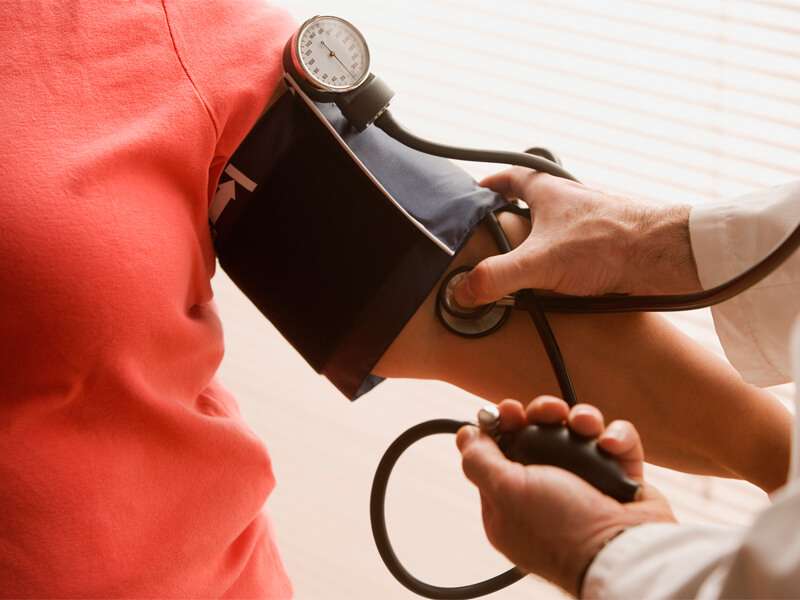
Managing high cholesterol is crucial for reducing the risk of heart disease. Elevated cholesterol levels can lead to plaque buildup in arteries, increasing the risk of cardiovascular issues.
- Causative Factors: Poor diet, lack of exercise, genetics, and certain health conditions contribute to high cholesterol levels.
- Symptoms: Often silent; symptoms may include chest pain or discomfort due to related heart issues.
- Diagnosis: A simple blood test measures your cholesterol levels; regular screenings are recommended for adults over 20 years old.
- Treatment Options: Lifestyle modifications such as dietary changes (low saturated fat) and increased physical activity are initial steps; statins may be prescribed when necessary.
A proactive approach towards cholesterol management helps maintain heart health and prevent severe complications down the line.
DIABETES SCREENING

Screening for diabetes is a critical preventive measure aimed at identifying at-risk individuals before complications arise. Early detection allows for timely intervention and management of the condition.
- Risk Factors: Family history, obesity, sedentary lifestyle, and age can increase risk.
- Symptoms: Increased thirst, frequent urination, extreme fatigue, and blurred vision are common signs of diabetes.
- Diagnosis: Blood tests like fasting glucose levels or HbA1c test help in determining blood sugar control over time.
- Treatment: Adopting a healthy diet, regular physical activity, and potentially medications depending on severity are key aspects of management.
An effective screening program is essential to reduce the prevalence of diabetes-related complications in the community.
HYPERTENSION

Hypertension, or high blood pressure, is a prevalent condition that can lead to serious health issues if not managed properly. It often develops over many years and can go unnoticed for extended periods.
- Symptoms: Many individuals remain asymptomatic; however, some may experience headaches, shortness of breath, or nosebleeds.
- Diagnosis: Blood pressure readings taken at regular intervals are essential. A healthcare provider may also conduct other tests to assess organ function.
- Treatment: Lifestyle changes such as diet and exercise, along with medications like diuretics or ACE inhibitors, are commonly prescribed.
- Management: Regular monitoring and follow-up visits are crucial to ensure that hypertension is under control.
Effective management of hypertension plays a vital role in preventing cardiovascular diseases and enhancing overall well-being.