
Dr Rahul Mishra
About Me
Dr Rahul Mishra
MD
Sexologist
10 Years Experience
Biography
My Clinic
OPD Hours
| Monday | Morning | 10:00 AM | - | 02:00 PM |
| Evening | 06:00 PM | - | 09:00 PM | |
| Tuesday | Morning | 10:00 AM | - | 02:00 PM |
| Evening | 06:00 PM | - | 09:00 PM | |
| Wednesday | Morning | 10:00 AM | - | 02:00 PM |
| Evening | 06:00 PM | - | 09:00 PM | |
| Thursday | Morning | 10:00 AM | - | 02:00 PM |
| Evening | 06:00 PM | - | 09:00 PM | |
| Friday | Morning | 10:00 AM | - | 02:00 PM |
| Evening | 06:00 PM | - | 09:00 PM | |
| Saturday | Morning | 10:00 AM | - | 02:00 PM |
| Evening | 06:00 PM | - | 09:00 PM | |
| Sunday | Morning | 10:00 AM | - | 02:00 PM |
| Evening | 06:00 PM | - | 09:00 PM |
Treatments
Specialised care and treatments offered
SEXUALLY TRANSMITTED INFECTIONS (STIS)
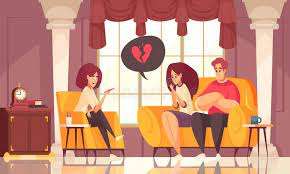
This category encompasses various infections transmitted mainly through sexual contact predominantly affecting genital areas but tracing lines additionally extend towards oral regions occurring frequently! Early intervention remains pivotal mitigating long-term complications minimizing future caregiving burdens thus preserving restorative care dynamics throughout public health sectors around us today worldwide!
INFERTILITY
This condition represents a significant challenge faced by couples attempting conception unsuccessfully after one year of unprotected intercourse. Infertility arises due not solely only biological aspects but often ties closely into psychological & relational dimensions across impending parenthood expectations held dearly!
- Main symptoms include failure achieving pregnancy culminating worries surrounding both partners respective reproductive health statuses needing deeper analytical inspections performed ahead of treatments initiated towards solutions!
- Causative elements entail irregular ovulation patterns linked commonly back hormonal disorders encountered by women alongside male factor infertility concerns directly tied into sperm quality assessments...
SEXUAL DYSFUNCTION IN WOMEN
This umbrella term covers various difficulties women may experience concerning sexual arousal or response. Factors impacting women's sexual health tend towards physiological alterations in hormonal levels among others yet heavily intertwine with emotional states too.
- Symptoms might manifest as difficulty becoming aroused even with adequate stimulation or pain during intercourse—leading to frustration & discomfort during intimacy experiences overall..
- The causes are multifaceted spanning from medical conditions such as endometriosis affecting hormone balances through stress factors implicating everyday living challenges!
- An accurate diagnosis needs comprehensive evaluations including consultations about personal history & discussions surrounding mental well-being throughout previous trauma experiences if applicable...
- Treatment tends toward integrative approaches combining therapy sessions focusing on enhancing communication within relationships plus possible interventions targeting physical discomfort via lubricants designed specifically covering genital areas...
Understanding female sexuality holds vital importance; proper investigations enable effective management pathways tailored uniquely based upon individual situations ensuring improvement across areas impacted negatively!
LOW LIBIDO
A decreased interest in sexual activity is referred to as low libido. It affects numerous individuals at various life stages due to multiple reasons including hormonal changes or emotional distress.
- Common symptoms involve a notable lack of desire for sex and feelings of discontent with one's sex life.
- Causative factors range from relationship dynamics, psychological health issues such as stress or depression, to medical conditions like hormonal imbalances or chronic illnesses.
- The diagnosis process typically includes interviews discussing your emotional state and any relevant physical examinations or tests that might be necessary.
- Treatment options generally include counseling aimed at addressing emotional concerns alongside lifestyle adjustments like diet modification or regular exercise aimed at enhancing well-being. Hormone therapy could be considered if hormone levels are involved.
- Your journey toward healthier libido levels often requires patience but with proper support from professionals, recovery is attainable
Selecting appropriate interventions customized for individual circumstances can greatly enhance personal relationships while improving self-esteem regarding intimacy desires.
PREMATURE EJACULATION
This condition often leads to distress in intimate relationships. Premature ejaculation is diagnosed when a man consistently ejaculates sooner than desired during intercourse, which can lead to dissatisfaction for both partners.
- Typical signs include ejaculation occurring within one minute of penetration and the inability to delay ejaculation during sexual activity.
- Psychological issues such as performance anxiety or relationship problems may contribute significantly to this condition.
- A thorough assessment is essential; doctors may inquire about medical history and conduct physical exams to rule out other underlying health issues.
- Treatment strategies often emphasize behavioral techniques, psychotherapy, and medications that can help increase control over ejaculation timing.
- With the right approach, individuals can see significant improvements in sexual satisfaction and overall relationship quality.
Addressing premature ejaculation openly with a professional can help ease tension and restore intimacy in partnerships.
ERECTILE DYSFUNCTION
Erectile dysfunction (ED) is a common condition that can affect men of any age, though it becomes increasingly prevalent with advancing years. It is characterized by the inability to achieve or maintain an erection sufficient for satisfactory sexual performance.
- Symptoms include difficulty getting or keeping an erection, reduced sexual desire, and premature or delayed ejaculation.
- The causes of ED are varied and can range from psychological factors like anxiety and depression to physiological issues such as diabetes, hypertension, or hormonal imbalances.
- Diagnosis typically involves a physical examination, review of medical history, and possibly blood tests to determine underlying conditions.
- Treatment may involve lifestyle changes such as exercising regularly, losing weight, quitting smoking, and managing stress. Medications like phosphodiesterase inhibitors are also effective for many patients.
- Patients can expect improvement in sexual function if they adhere to recommended lifestyle modifications and follow their treatment plan as prescribed.
Seeking help for erectile dysfunction is important; effective management can lead to regained confidence and improved relationships.