
Dr Rahul Harsh
About Me
Dr Rahul Harsh
DO
Ophthalmologist
Biography
My Clinic
OPD Hours
| Monday | Morning | 10:00 AM | - | 02:00 PM |
| Evening | 06:00 PM | - | 09:00 PM | |
| Tuesday | Morning | 10:00 AM | - | 02:00 PM |
| Evening | 06:00 PM | - | 09:00 PM | |
| Wednesday | Morning | 10:00 AM | - | 02:00 PM |
| Evening | 06:00 PM | - | 09:00 PM | |
| Thursday | Morning | 10:00 AM | - | 02:00 PM |
| Evening | 06:00 PM | - | 09:00 PM | |
| Friday | Morning | 10:00 AM | - | 02:00 PM |
| Evening | 06:00 PM | - | 09:00 PM | |
| Saturday | Morning | 10:00 AM | - | 02:00 PM |
| Evening | 06:00 PM | - | 09:00 PM | |
| Sunday | Morning | 10:00 AM | - | 02:00 PM |
| Evening | 06:00 PM | - | 09:00 PM |
Treatments
Specialised care and treatments offered
PTERYGIUM REMOVAL
Pterygium is a benign growth on the conjunctiva that can extend onto the cornea potentially affecting vision while causing cosmetic concerns. While it generally develops gradually over time due dust exposure and UV radiation effects—early identification allows intervention strategies!
- Signs/Symptoms!:: Redness around growths along with possible discomfort/irritation experienced especially during long outdoor periods under direct sunlight might require assessment!
- Evaluation Methods:: Comprehensive examinations based upon patient histories will determine best approaches towards assessing extent/growths’ impact upon normal functions thus guiding further decisions regarding removal needs!
- Surgical Procedures: beyond typical observational watchfulness some may pursue excision surgeries either alone plus adjunct tissue grafting techniques aimed facilitating faster/regain clear sight once again respectively! © 20 . span ., correcting visually compromising developments remains valuable across all ages—regardless preventing further skin irritations forming along pathways leading back towards inner structures without future worries festering later down line...!
RETINAL SCREENING

A retinal screening involves detailed imaging examinations of the retina to identify potential diseases such as diabetic retinopathy or age-related macular degeneration. This preventive measure is critical for maintaining optimal ocular health!
- Who Needs This? : Individuals with diabetes or those above certain age thresholds should have routine screenings due to elevated risk factors associated with these conditions.
- Diagnostic Techniques : Advanced imaging technologies like fundus photography allow doctors an unobstructed view into the internal structure of your eyes during screenings!
- Treatment Approaches : If abnormalities are detected early through screening measures previously mentioned— timely interventions ranging from lifestyle alterations up through various surgical approaches could be warranted based on findings!
- Ongoing Care & Maintenance:: Following initial assessments regularly scheduled check-ups help ensure continued ocular health while monitoring any developing concerns closely identified!
The sooner potential issues arise—informed action ensures greater preservation overall long-term wellness regarding one's sight!
DRY EYE TREATMENT

Dry eye syndrome occurs when tears cannot provide adequate lubrication for the eyes. Factors such as aging, certain medical conditions, or environmental conditions contribute to this issue. Proper moisture balance is key to comfort and eye health.
- Common Symptoms: Patients often report irritation, redness, burning sensations, or excessive tearing as compensatory responses from dry eyes.
- Diagnostic Tests: An ophthalmologist will perform tests like tear break-up time assessments which evaluate tear film stability and production levels.
- Treatment Options : Options range from artificial tears for temporary relief to prescription medications that aim to increase tear production or reduce inflammation in chronic cases.
- Management: Lifestyle changes such as increasing humidity indoors or taking breaks from screen use may also help alleviate symptoms.
- Outlook: Many patients find significant relief through tailored treatments that address their specific causes of dry eyes.
Taking proactive steps toward treating dry eyes can improve day-to-day comfort significantly over time.
GLAUCOMA MANAGEMENT

Glaucoma is a progressive eye disease caused by damage to the optic nerve, often associated with increased intraocular pressure. It may lead to irreversible blindness if left untreated. Early detection and management are vital for preserving vision.
- Symptoms: In its early stages, glaucoma shows few symptoms; later stages may include peripheral vision loss or blurred central vision.
- Diagnosis: Regular eye exams using tonometry (for pressure measurement) and visual field tests are essential for early detection.
- Treatment Strategies: Options include prescription eye drops to lower pressure, oral medications, laser therapy, or surgical interventions if necessary.
- Lifespan Management: Continuous monitoring and adherence to prescribed treatment plans effectively control the disease progression.
LASER VISION CORRECTION
Laser vision correction refers to a group of procedures that enhance sight by reshaping the cornea. Commonly performed on those with nearsightedness, farsightedness, or astigmatism, these minimally invasive techniques can significantly reduce dependency on glasses or contact lenses.
- Indications: Those experiencing blurry vision due to refractive errors often seek this procedure for clearer eyesight.
- Diagnostic Process: A thorough eye examination including corneal mapping helps determine candidacy for laser surgery.
- Treatment Options: LASIK and PRK are two popular methods; both use laser technology but differ in their approach to corneal reshaping.
- Recovery: Most patients experience noticeable improvement in vision shortly after surgery; however, full stabilization may take several weeks.
This option provides lasting correction that can greatly enhance quality of life when appropriate care is taken before and after the procedure.
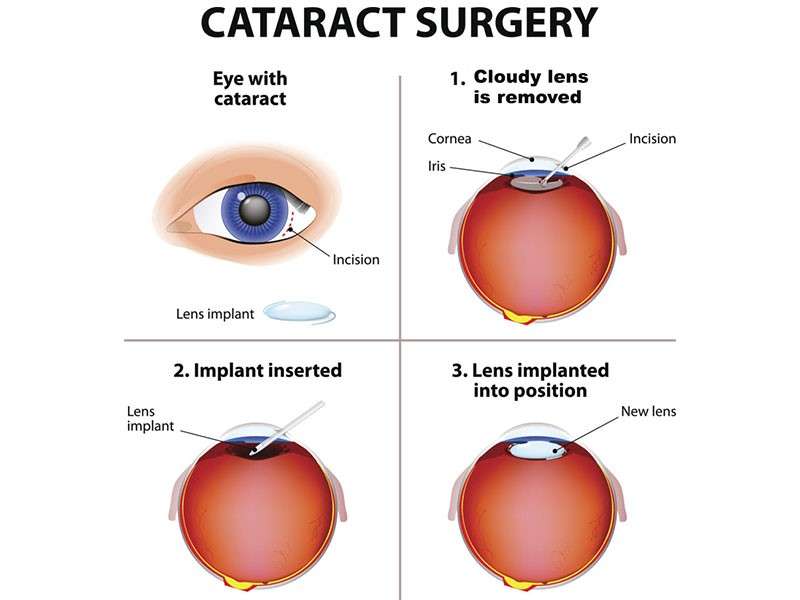
CATARACT SURGERY
Cataracts are a common eye condition characterized by the clouding of the natural lens in the eye, leading to blurred vision and difficulty with glare. They typically develop slowly as people age, although they can also result from other factors such as diabetes or long-term use of steroids.
- Symptoms: Blurred or cloudy vision, difficulty seeing at night, and increased sensitivity to light can all indicate cataracts.
- Diagnosis: An ophthalmologist will conduct a comprehensive eye exam including visual acuity tests and a dilated eye exam.
- Treatment: The most effective treatment is surgical removal of the cloudy lens, replaced by an artificial lens (IOL).
- Management: If surgery is not yet needed, regular monitoring and prescription glasses may help manage symptoms temporarily.
- Expectations: Post-surgery recovery is generally swift, with improved vision for most patients within days.
A timely consultation can help assess your condition and determine if surgery is right for you.