
Dr Rachana Tandon
About Me
Dr Rachana Tandon
MBBS
Dermatologist
10 Years Experience
Biography
My Clinic
OPD Hours
| Monday | Morning | 10:00 AM | - | 02:00 PM |
| Evening | 06:00 PM | - | 09:00 PM | |
| Tuesday | Morning | 10:00 AM | - | 02:00 PM |
| Evening | 06:00 PM | - | 09:00 PM | |
| Wednesday | Morning | 10:00 AM | - | 02:00 PM |
| Evening | 06:00 PM | - | 09:00 PM | |
| Thursday | Morning | 10:00 AM | - | 02:00 PM |
| Evening | 06:00 PM | - | 09:00 PM | |
| Friday | Morning | 10:00 AM | - | 02:00 PM |
| Evening | 06:00 PM | - | 09:00 PM | |
| Saturday | Morning | 10:00 AM | - | 02:00 PM |
| Evening | 06:00 PM | - | 09:00 PM | |
| Sunday | Morning | 10:00 AM | - | 02:00 PM |
| Evening | 06:00 PM | - | 09:00 PM |
Treatments
Specialised care and treatments offered
HAIR PULL TEST FOR HAIR LOSS ASSESSMENT
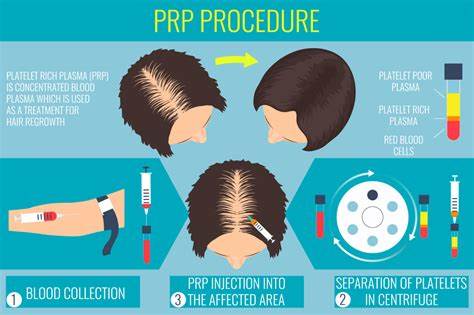
The hair pull test evaluates active shedding by gently tugging on small sections of hair. It aids dermatologists in diagnosing causes of alopecia.
PHOTOTESTING FOR PHOTOSENSITIVE DISORDERS
Certain skin conditions worsen upon exposure to ultraviolet (UV) radiation. Phototesting identifies abnormal skin reactions induced by controlled UV light exposure.
WOOD'S LAMP EXAMINATION
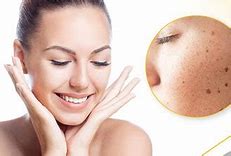
The Wood's lamp uses ultraviolet light to detect bacterial or fungal infections and pigmentary disorders on the skin. It is a fast, non-invasive screening method.
- Symptoms/causes: Changes in pigmentation, scaling lesions, or suspected infections like tinea versicolor may be examined under this light.
- Diagnosis:The affected area is illuminated with the Wood’s lamp; various conditions fluoresce in characteristic colors aiding differentiation.
- Treatment/management:The findings assist in selecting appropriate antifungal or antibacterial treatments if infections are confirmed
SKIN BIOPSY PROCEDURES
A skin biopsy involves removing a small sample of skin tissue for microscopic examination. It is vital in diagnosing various dermatological conditions accurately.
- Symptoms/causes: Unexplained rashes, persistent lesions, or suspicious growths often warrant biopsy to determine underlying pathology.
- Diagnosis: Different types include punch, shave, or excisional biopsies depending on lesion size and depth required.
- Treatment/management: Local anesthesia is applied before sampling; aftercare includes wound care instructions to prevent infection.
- What to expect: Minor discomfort during the procedure with minimal scarring in most cases; results typically take a few days.
This diagnostic tool provides definitive answers allowing targeted treatment plans tailored to individual conditions encountered by dermatologists.
DERMOSCOPY FOR SKIN LESION EVALUATION
Dermoscopy is a non-invasive imaging technique that enhances visualization of skin lesions beyond what the naked eye can see. It assists in differentiating benign from malignant growths.
- Symptoms/causes: Suspicious moles or growths that are asymmetrical, changing, or darker than usual raise concern.
- Diagnosis: A handheld dermatoscope illuminates and magnifies the lesion allowing detailed assessment of colors and patterns.
- Treatment/management: Findings guide whether biopsy or excision is necessary; benign lesions may require monitoring only.
- What to expect: The procedure is quick, painless, and performed during a routine visit without special preparation.
Dermoscopy improves early detection rates of skin cancers such as melanoma, providing crucial information for timely intervention.
PATCH TESTING FOR ALLERGIC CONTACT DERMATITIS
Allergic contact dermatitis occurs when the skin reacts to specific allergens, causing inflammation and discomfort. Patch testing is a specialized diagnostic procedure used to identify these allergens.
- Symptoms/causes: Redness, itching, and blistering after skin exposure to certain substances like metals, fragrances, or preservatives.
- Diagnosis: Small amounts of potential allergens are applied to the back with adhesive patches and left for 48 hours; skin reactions are then evaluated.
- Treatment/management: Avoidance of identified allergens and use of topical corticosteroids or emollients to soothe the skin.
- What to expect: Mild redness or irritation at test sites may occur; proper interpretation by a dermatologist ensures accurate identification.
This process helps pinpoint triggers, enabling effective prevention strategies and targeted treatment to control symptoms and improve quality of life.