
Dr Ra Khan
About Me
Dr Ra Khan
MBBS
Dermatologist
10 Years Experience
Biography
My Clinic
OPD Hours
| Monday | Morning | 10:00 AM | - | 02:00 PM |
| Evening | 06:00 PM | - | 09:00 PM | |
| Tuesday | Morning | 10:00 AM | - | 02:00 PM |
| Evening | 06:00 PM | - | 09:00 PM | |
| Wednesday | Morning | 10:00 AM | - | 02:00 PM |
| Evening | 06:00 PM | - | 09:00 PM | |
| Thursday | Morning | 10:00 AM | - | 02:00 PM |
| Evening | 06:00 PM | - | 09:00 PM | |
| Friday | Morning | 10:00 AM | - | 02:00 PM |
| Evening | 06:00 PM | - | 09:00 PM | |
| Saturday | Morning | 10:00 AM | - | 02:00 PM |
| Evening | 06:00 PM | - | 09:00 PM | |
| Sunday | Morning | 10:00 AM | - | 02:00 PM |
| Evening | 06:00 PM | - | 09:00 PM |
Treatments
Specialised care and treatments offered
ACNE SCAR ASSESSMENT
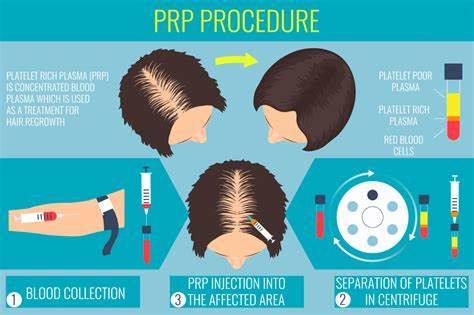
The evaluation of acne scars is crucial in determining suitable treatment options tailored individually based on scar type, severity, and skin characteristics. Acne scarring frequently affects quality of life alongside visible appearance concerns.
MOLE MAPPING
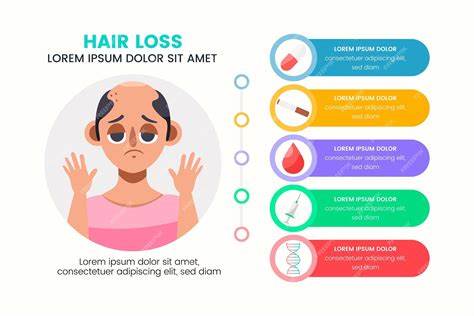
Mole mapping entails systematic photographic documentation of moles and pigmented lesions across the body. This assists in monitoring changes suggestive of malignant transformation over time.
PHOTOTHERAPY
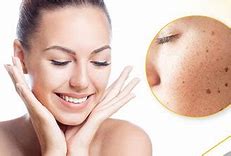
Phototherapy employs controlled exposure to ultraviolet (UV) light waves as a safe medical treatment option for several inflammatory skin diseases including psoriasis and vitiligo.
- Treatment purpose: To reduce inflammation and slow excessive skin cell growth through UV radiation under clinical supervision.
- Treatment types: Narrowband UVB therapy is commonly used due to higher efficacy with fewer side effects compared to broadband UVB or UVA combined with photosensitizers (PUVA).
- The process involved: Patients undergo multiple sessions per week lasting minutes each with progressive dose increases based on tolerance response assessment.
- Caution points: Long-term treatment requires photoprotection measures following sessions along with regular monitoring for potential adverse effects such as burns or photoaging.
PATCH TESTING
Patches tests are specialized investigations performed to identify allergic contact dermatitis caused by substances triggering delayed hypersensitivity reactions on the skin.
- When it's used: For patients experiencing unexplained chronic eczema or dermatitis suspected due to allergens like cosmetics, metals, or chemicals.
- The test process: Small amounts of common allergens are applied using adhesive patches on the back, remaining for 48 hours without disturbance.
- Reading results: After patch removal, skin reactions are observed at 48 and sometimes 72 hours for redness, swelling, or vesicles indicating allergy presence.
- Treatment implications: Identifying specific allergens allows targeted avoidance strategies reducing symptoms significantly over time.
This method is essential for managing persistent dermatitis cases by clarifying causative agents behind immune-mediated skin inflammation.
DERMOSCOPY
Dermoscopy is a non-invasive imaging technique that enhances the visualization of skin surface structures not visible to the naked eye. It aids early detection of melanoma and other pigmented lesions.
- Purpose: To evaluate irregular moles and differentiate benign from potentially malignant growths by examining color patterns and structures beneath the skin surface.
- How it's done: A handheld dermatoscope uses polarized light combined with magnification, providing detailed views without discomfort or damage to the skin.
- Diagnostic value: Enables clinicians to decide which lesions need biopsy versus those safe for routine monitoring.
- User expertise: Accurate interpretation depends on specialist training and experience in pattern recognition of dermoscopic images.
Dermoscopy improves diagnostic accuracy in dermatology clinics and reduces unnecessary surgical procedures by refining clinical assessments.
SKIN BIOPSY
A skin biopsy is a diagnostic procedure used to examine suspicious skin lesions or rashes. It helps in identifying various skin disorders by obtaining a small tissue sample for laboratory analysis.
- Indications: Unexplained rashes, persistent lesions, or suspicious growths that require detailed examination.
- Procedure: A local anesthetic is applied before removing a small piece of skin using techniques such as shave, punch, or excisional biopsy.
- Diagnosis: The collected tissue is sent to pathology where it undergoes microscopic evaluation to detect infections, cancers, or inflammatory conditions.
- Aftercare: Minor wound care involves keeping the site clean and monitoring for signs of infection while healing occurs over days to weeks.
- Benefits: It provides definitive information that guides treatment planning and can differentiate benign from malignant conditions effectively.
This minimally invasive method plays a vital role in dermatology as it reliably confirms diagnoses when clinical examination alone is insufficient.