
Dr R.C Tyagi
About Me
Dr R.C Tyagi
MD
Diabetologist
10 Years Experience
Biography
My Clinic
OPD Hours
| Monday | Morning | 10:00 AM | - | 02:00 PM |
| Evening | 06:00 PM | - | 09:00 PM | |
| Tuesday | Morning | 10:00 AM | - | 02:00 PM |
| Evening | 06:00 PM | - | 09:00 PM | |
| Wednesday | Morning | 10:00 AM | - | 02:00 PM |
| Evening | 06:00 PM | - | 09:00 PM | |
| Thursday | Morning | 10:00 AM | - | 02:00 PM |
| Evening | 06:00 PM | - | 09:00 PM | |
| Friday | Morning | 10:00 AM | - | 02:00 PM |
| Evening | 06:00 PM | - | 09:00 PM | |
| Saturday | Morning | 10:00 AM | - | 02:00 PM |
| Evening | 06:00 PM | - | 09:00 PM | |
| Sunday | Morning | 10:00 AM | - | 02:00 PM |
| Evening | 06:00 PM | - | 09:00 PM |
Treatments
Specialised care and treatments offered
HYPOGLYCEMIA MANAGEMENT

Hypoglycemia refers to dangerously low blood sugar levels which can occur in people with diabetes due largely to medication effects aimed at lowering high sugars too aggressively without food intake adjustments.
This phenomenon often presents itself unexpectedly presenting signs such as shakiness dizziness weakness confusion irritability excessive sweating fatigue blurry vision amongst others.
- Your healthcare provider will likely conduct thorough assessments including reviewing medications prescribed along evaluating dietary habits contributing towards hypoglycemic events happening frequently lately!
- Simplistically speaking treatments involve rapid-acting sources carbohydrates (like glucose tablets fruit juices) available readily available aid treating acute episodes where immediate intervention becomes essential prevent further complications arising!
- </P> In summary > due persistent vigilance efforts monitoring day-to-day behaviors routine follow-ups addressing concerns promptly help mitigate risk developing future occurrences giving long-term peace-of-mind every diabetic individual deserves alike!
DIABETES EDUCATION PROGRAMS
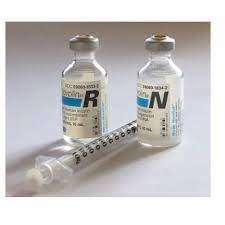
Disease management education is indispensable for individuals diagnosed with diabetes. These programs empower patients by providing comprehensive information about living healthily with this chronic condition.
- The programs cover essential topics such as understanding diabetes types, recognizing symptoms of high/low glucose levels, and learning how to monitor sugars regularly.
- Pearson tests may be performed alongside assessments that help devise individualized meal planning based on nutritional needs.
- Lifestyle adaptations discussed include physical activity routines tailored to personal preferences for achieving better glycemic control while maintaining wellbeing goals
- The peer support aspect offers encouragement from fellow participants undergoing similar experiences enhances motivation greatly among attendees
The knowledge gained empowers patients with self-management skills crucial for leading productive lives despite having diabetes . .
DIABETES FOOT CARE
Individuals with diabetes are at risk for foot complications due to nerve damage (neuropathy) and poor blood circulation. Proper foot care is critical for preventing severe issues such as infections or amputations.
- Common signs of foot problems include numbness, tingling sensations, blisters, cuts that do not heal quickly, or unusual foot shape changes.
- A thorough assessment by a healthcare professional helps identify any developing issues early on through physical examinations and patient history reviews.
- Treatment involves maintaining proper hygiene, daily self-inspections of feet, optimal fitting footwear, and regular podiatric consultations if necessary.
- Patients are encouraged to manage their blood glucose levels effectively to lower the risk of complications significantly.
By prioritizing foot care education and diligence, individuals with diabetes can safeguard their overall well-being
TYPE 2 DIABETES THERAPY
This common form of diabetes arises when the body becomes resistant to insulin or when the pancreas fails to produce enough insulin. It frequently develops in adults but can also affect younger populations due to lifestyle factors.
- The main symptoms include increased thirst, frequent urination, fatigue, blurred vision, and slow healing of wounds.
- Diagnosis is determined through fasting blood glucose tests or HbA1c tests that measure average blood sugar over time.
- Treatment options include lifestyle changes like improved diet and exercise routines, oral medications, or injectable therapies for those who need more control over their blood sugar levels.
- A strong support network involving healthcare providers aids in devising personalized management plans for patients.
With effective management strategies in place, many patients successfully lead active lives despite their diagnosis of Type 2 diabetes.
GESTATIONAL DIABETES CARE
Gestational diabetes is a form of diabetes that develops during pregnancy. It usually resolves after childbirth but requires careful management to ensure the health of both mother and baby.
- This condition can lead to higher blood sugar levels and may pose risks such as preeclampsia or large birth weight babies.
- Diagnosis typically occurs between the 24th and 28th week of pregnancy through glucose tolerance tests.
- A treatment plan often includes dietary changes, regular exercise, and blood sugar monitoring; in some cases, insulin therapy may be necessary.
- Regular follow-ups help monitor the health status of both mother and fetus throughout the pregnancy period.
Managing gestational diabetes effectively is essential for ensuring a healthy pregnancy outcome.
TYPE 1 DIABETES MANAGEMENT
Type 1 diabetes is a chronic condition that occurs when the pancreas produces little or no insulin. It is usually diagnosed in children and young adults, which can be challenging for patients and their families.
- Symptoms may include frequent urination, excessive thirst, extreme fatigue, and unintended weight loss.
- Diagnosis typically involves blood tests that measure blood sugar levels and the presence of autoantibodies.
- Treatment primarily focuses on insulin therapy, including injections or an insulin pump, along with regular monitoring of blood glucose levels.
- A balanced diet combined with physical activity plays a crucial role in managing this condition effectively.
- Patients can expect ongoing support from healthcare professionals to adjust their treatment plans as needed.
With appropriate care and education, individuals with Type 1 diabetes can lead fulfilling lives.