
Dr R U Khan
About Me
Dr R U Khan
MBBS
General Physician
10 Years Experience
Biography
My Clinic
OPD Hours
| Monday | Morning | 10:00 AM | - | 02:00 PM |
| Evening | 06:00 PM | - | 09:00 PM | |
| Tuesday | Morning | 10:00 AM | - | 02:00 PM |
| Evening | 06:00 PM | - | 09:00 PM | |
| Wednesday | Morning | 10:00 AM | - | 02:00 PM |
| Evening | 06:00 PM | - | 09:00 PM | |
| Thursday | Morning | 10:00 AM | - | 02:00 PM |
| Evening | 06:00 PM | - | 09:00 PM | |
| Friday | Morning | 10:00 AM | - | 02:00 PM |
| Evening | 06:00 PM | - | 09:00 PM | |
| Saturday | Morning | 10:00 AM | - | 02:00 PM |
| Evening | 06:00 PM | - | 09:00 PM | |
| Sunday | Morning | 10:00 AM | - | 02:00 PM |
| Evening | 06:00 PM | - | 09:00 PM |
Treatments
Specialised care and treatments offered
GASTROESOPHAGEAL REFLUX DISEASE (GERD)
This digestive disorder occurs when stomach acid frequently flows back into the esophagus causing discomfort known as heartburn. Proper care can alleviate symptoms significantly over time.
SEASONAL ALLERGIC RHINITIS

This allergic condition affects the nasal passages causing sneezing and congestion during certain seasons due to airborne allergens like pollen. Understanding its triggers aids management efforts effectively.
OBESITY MANAGEMENT
The condition of obesity involves excessive body fat accumulation which presents significant health risks. Addressing obesity requires comprehensive lifestyle adjustments for lasting results.
- Causative Factors/Symptoms: Results from imbalance between calorie intake versus expenditure; linked to sedentary lifestyle, poor diet, genetic predisposition.
- Evolving Diagnosis: Body Mass Index (BMI) calculation along with waist circumference measurement help quantify severity.
- Treatment Approach: Focused on nutritional counselling promoting balanced diets rich in fruits, vegetables & whole grains; increased physical activity tailored individually;
CHRONIC OBSTRUCTIVE PULMONARY DISEASE (COPD) CARE
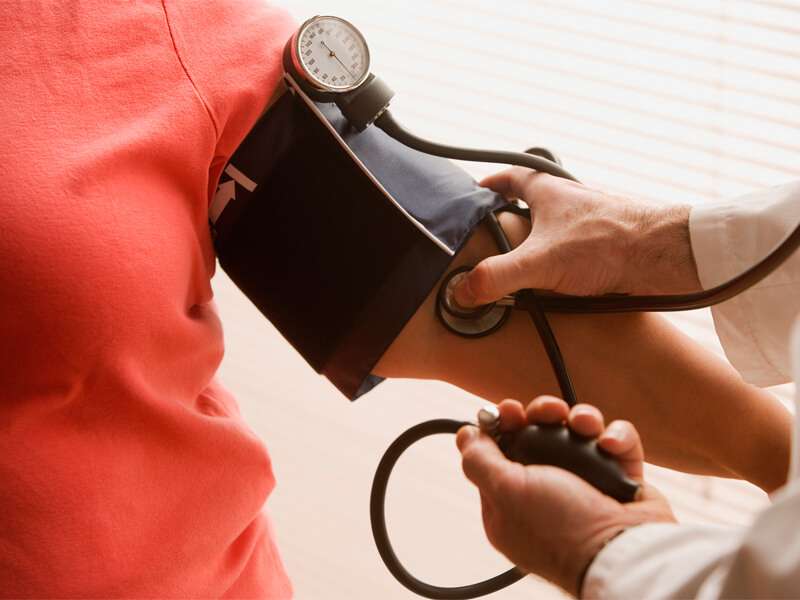
COPD is a progressive lung disease that obstructs airflow and makes breathing difficult. Early recognition and management can improve symptoms and slow progression.
- Main Causes and Symptoms: Commonly caused by smoking; symptoms include cough, shortness of breath, wheezing, and frequent respiratory infections.
- Diagnostic Process: Lung function tests (spirometry) assess airflow limitations along with chest imaging.
- Treatment Strategies: Smoking cessation is crucial; bronchodilators and inhaled steroids help relieve symptoms; pulmonary rehabilitation enhances breathing efficiency.
- Disease Monitoring: Regular evaluation prevents exacerbations and hospitalizations while supporting better daily functioning.
A personalized care plan including medication adherence and lifestyle changes greatly aids patients living with COPD.
TYPE 2 DIABETES MELLITUS
Type 2 diabetes is a chronic metabolic disorder characterized by elevated blood sugar levels due to insulin resistance or deficiency. Proper management helps prevent long-term complications.
- Symptoms/Signs: Increased thirst, frequent urination, fatigue, blurred vision; can develop gradually over time.
- Diagnosis: Blood tests such as fasting glucose levels or HbA1c confirm diagnosis.
- Treatment Options: Emphasis on diet modification focusing on low glycemic foods, regular exercise to improve insulin sensitivity; oral medications or insulin therapy may be added depending on severity.
- Living with Diabetes: Monitoring blood sugar regularly and adhering to lifestyle recommendations can reduce risks of neuropathy, kidney disease, and cardiovascular problems.
Lifelong attention to diet and activity significantly improves quality of life for those affected by type 2 diabetes.
HYPERTENSION MANAGEMENT
High blood pressure, or hypertension, is a common condition that affects many adults worldwide. It can increase the risk of serious health issues if not properly managed.
- Symptoms and Causes: Often called the "silent killer" because it may have no noticeable symptoms; causes include genetics, obesity, and high salt intake.
- Diagnosis: Confirmed through regular blood pressure measurements using a sphygmomanometer; monitoring over time is essential.
- Treatment: Lifestyle changes such as reducing salt consumption, increasing physical activity, quitting smoking, and maintaining healthy weight play a critical role; medications may be prescribed when necessary.
- Management Expectations: Regular follow-ups are important to monitor control and prevent complications like heart disease or strokes.
Effective control of hypertension greatly reduces the risk of cardiovascular problems and supports long-term health.