
Dr R S Trivedi
About Me
Dr R S Trivedi
MBBS
General Physician
10 Years Experience
Biography
My Clinic
OPD Hours
| Monday | Morning | 10:00 AM | - | 02:00 PM |
| Evening | 06:00 PM | - | 09:00 PM | |
| Tuesday | Morning | 10:00 AM | - | 02:00 PM |
| Evening | 06:00 PM | - | 09:00 PM | |
| Wednesday | Morning | 10:00 AM | - | 02:00 PM |
| Evening | 06:00 PM | - | 09:00 PM | |
| Thursday | Morning | 10:00 AM | - | 02:00 PM |
| Evening | 06:00 PM | - | 09:00 PM | |
| Friday | Morning | 10:00 AM | - | 02:00 PM |
| Evening | 06:00 PM | - | 09:00 PM | |
| Saturday | Morning | 10:00 AM | - | 02:00 PM |
| Evening | 06:00 PM | - | 09:00 PM | |
| Sunday | Morning | 10:00 AM | - | 02:00 PM |
| Evening | 06:00 PM | - | 09:00 PM |
Treatments
Specialised care and treatments offered
VIRAL UPPER RESPIRATORY TRACT INFECTION
The common cold comprises infections predominantly caused by viruses affecting nasal passages and throat. It’s among the most prevalent acute illnesses encountered worldwide all year round.
- The classic manifestations: sneezing episodes accompanied by runny nose congested nasal tissues sore throat coughing fits mild fever malaise headaches muscle aches discomfort around eyes;
ACUTE GASTROENTERITIS

This condition refers to an inflammation of the stomach and intestines causing sudden onset diarrhea often accompanied by vomiting. It primarily results from infections but may also arise from toxin ingestion or food intolerance.
DIABETIC KETOACIDOSIS (DKA)

This acute metabolic complication predominantly affects individuals with diabetes due to insulin deficiency leading to dangerously high blood sugar levels and ketone accumulation in the body.
COMMUNITY ACQUIRED PNEUMONIA
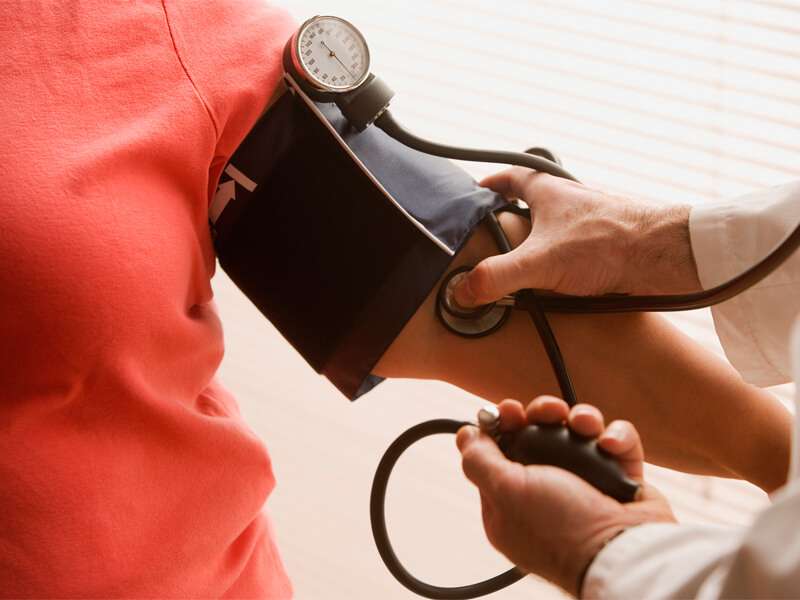
Pneumonia acquired outside hospital settings is a common infection affecting lung tissue. Early diagnosis facilitates timely treatment and recovery without complications.
- The symptoms often include fever, productive cough with sputum, chest pain during breathing, and fatigue.
- Causative organisms frequently include bacteria like Streptococcus pneumoniae acquired through inhalation or aspiration.
- Disease confirmation depends on clinical examination supported by chest X-rays showing lung infiltrates and laboratory tests if needed.
- The primary approach is the use of targeted antibiotics along with supportive care such as fluids and oxygen if hypoxia is present.
- Certain patients warrant closer observation for potential complications such as respiratory failure or sepsis requiring hospitalization.
Adequate treatment guided by accurate diagnosis ensures effective resolution while minimizing risks of persistent illness or spread of infection.
ACUTE ASTHMA EXACERBATION
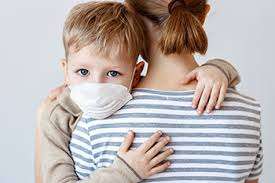
An acute asthma exacerbation represents a sudden worsening of asthma symptoms due to airway inflammation and constriction. Immediate care improves breathing and prevents complications.
- Symptoms include wheezing, coughing, chest tightness, and difficulty breathing that escalate rapidly.
- The causes might be exposure to allergens, respiratory infections, or irritants like smoke or pollution.
- Diagnosis is clinical but may involve peak expiratory flow measurement and pulse oximetry to assess severity.
- Treatment usually involves inhaled bronchodilators such as beta-agonists combined with systemic corticosteroids to reduce inflammation.
- A monitoring plan ensures improvement before discharge along with education on trigger avoidance and medication adherence.
Taking prompt action at the onset of symptoms helps control exacerbations and supports long-term asthma management.
HYPERTENSIVE CRISIS MANAGEMENT

A hypertensive crisis is a severe increase in blood pressure that can lead to life-threatening complications. Prompt recognition and treatment are essential to avoid damage to vital organs such as the heart, kidneys, and brain.
- Symptoms may include sudden headache, chest pain, shortness of breath, or neurological deficits like weakness or vision changes.
- Causes often involve uncontrolled hypertension, medication noncompliance, or underlying medical conditions.
- Diagnosis is confirmed by measuring extremely elevated blood pressure readings (often >180/120 mmHg) along with assessment for organ damage.
- Treatment typically requires careful blood pressure reduction using intravenous antihypertensives under close monitoring.
- Management includes addressing the precipitating factors and ensuring long-term blood pressure control to prevent recurrence.
Early intervention in hypertensive crises significantly reduces the risk of permanent injury and improves outcomes for patients with severe blood pressure elevations.