
Dr R P Srivastava
About Me
Dr R P Srivastava
MBBS
General Physician
10 Years Experience
Biography
My Clinic
OPD Hours
| Monday | Morning | 10:00 AM | - | 02:00 PM |
| Evening | 06:00 PM | - | 09:00 PM | |
| Tuesday | Morning | 10:00 AM | - | 02:00 PM |
| Evening | 06:00 PM | - | 09:00 PM | |
| Wednesday | Morning | 10:00 AM | - | 02:00 PM |
| Evening | 06:00 PM | - | 09:00 PM | |
| Thursday | Morning | 10:00 AM | - | 02:00 PM |
| Evening | 06:00 PM | - | 09:00 PM | |
| Friday | Morning | 10:00 AM | - | 02:00 PM |
| Evening | 06:00 PM | - | 09:00 PM | |
| Saturday | Morning | 10:00 AM | - | 02:00 PM |
| Evening | 06:00 PM | - | 09:00 PM | |
| Sunday | Morning | 10:00 AM | - | 02:00 PM |
| Evening | 06:00 PM | - | 09:00 PM |
Treatments
Specialised care and treatments offered
CHOLELITHIASIS (GALLSTONES) MANAGEMENT
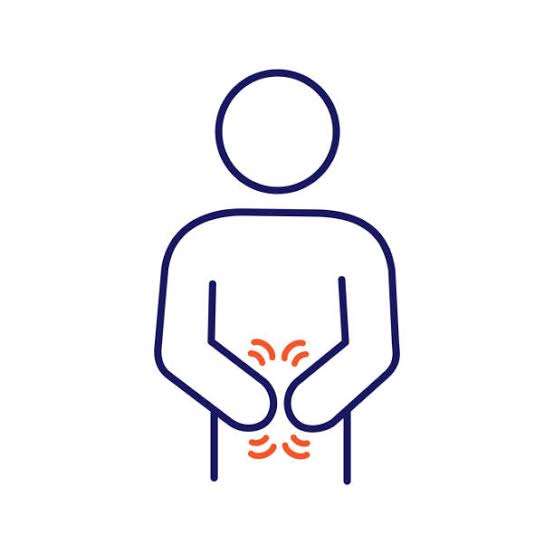
The formation of gallstones can cause intermittent abdominal pain often requiring medical attention. Management depends on symptom severity and potential complications like cholecystitis.
ACUTE APPENDICITIS SURGERY

An acute inflammation of the appendix requires prompt recognition for surgical intervention to prevent rupture. This is a common emergency in general medicine settings requiring timely action.
- Pivotal signs & symptoms :Sudden abdominal pain starting near the navel shifting to right lower quadrant , nausea , vomiting , fever .
- Diagnostic tools :Clinical evaluation supported by ultrasound or CT scan assists accurate diagnosis .
- Surgical treatment :Appendectomy , either laparoscopic or open , remains definitive therapy .
- Postoperative care :Includes pain management , wound care , antibiotics if infection suspected .
- Expected recovery :Most patients resume normal activities within weeks post-surgery without complications .
Recognizing acute appendicitis early followed by urgent surgery significantly reduces morbidity associated with this condition .
GASTROESOPHAGEAL REFLUX DISEASE (GERD) TREATMENT

This digestive disorder arises when stomach acid frequently flows back into the esophagus causing irritation. Timely identification reduces complications like esophagitis or strictures.
- Causative factors & signs: Often triggered by diet habits, obesity or hiatal hernia; common symptoms include heartburn, regurgitation after meals.
- Evidential testing methods: Endoscopy assesses mucosal damage; pH monitoring quantifies acid exposure over 24 hours.
- Therapeutic options: Lifestyle modifications such as elevating head during sleep combined with antacids or proton pump inhibitors form first-line treatment.
- Surgical consideration: For refractory cases, procedures like fundoplication restore valve function effectively preventing reflux episodes.
A comprehensive approach targeting both symptom relief and underlying causes helps maintain esophageal health long term in GERD sufferers.
CHRONIC OBSTRUCTIVE PULMONARY DISEASE (COPD) CARE
COPD encompasses progressive lung diseases that block airflow making breathing difficult. Early intervention slows progression and improves quality of life.
- Main causes & symptoms: Predominantly caused by long-term smoking; symptoms include chronic cough, sputum production, breathlessness during activity.
- Diagnostic procedures: Spirometry testing confirms airflow limitation; imaging like chest X-rays aid assessment.
- Treatment strategies: Smoking cessation is paramount; bronchodilators and corticosteroids help ease airway obstruction.
- Lifestyle advice: Pulmonary rehabilitation exercises improve respiratory muscle function; vaccinations reduce infection risk.
- Disease course: Though irreversible damage occurs, symptom control can enhance daily functioning significantly.
The goal in COPD care is symptom management combined with preventive measures to reduce exacerbations and hospitalizations over time.
DIABETES MELLITUS TYPE 2 CONTROL
Type 2 diabetes is a chronic metabolic disorder characterized by insulin resistance leading to elevated blood sugar levels. Effective control prevents complications like neuropathy and cardiovascular disease.
- Symptoms and causes: Excessive thirst, frequent urination, fatigue; influenced by genetics, obesity, and sedentary lifestyle.
- Diagnostic tests: Fasting blood glucose, HbA1c levels provide insight into average glucose control over months.
- Treatment options: Combination of diet modification, physical activity, oral hypoglycemics, or insulin therapy depending on disease severity.
- Lifestyle management: Emphasizes weight management and regular monitoring of blood sugar at home.
- Expected outcomes: Good glycemic control reduces risk of microvascular and macrovascular complications.
A thorough understanding of the condition paired with adherence to treatment plans can empower patients toward healthier living despite diabetes diagnosis.
HYPERTENSION MANAGEMENT
High blood pressure, or hypertension, is a common condition that requires careful control to prevent serious complications. It often presents without obvious symptoms but can lead to heart disease or stroke if untreated.
- Causes and symptoms: Often linked with genetics, lifestyle factors such as diet and stress, and may be asymptomatic initially.
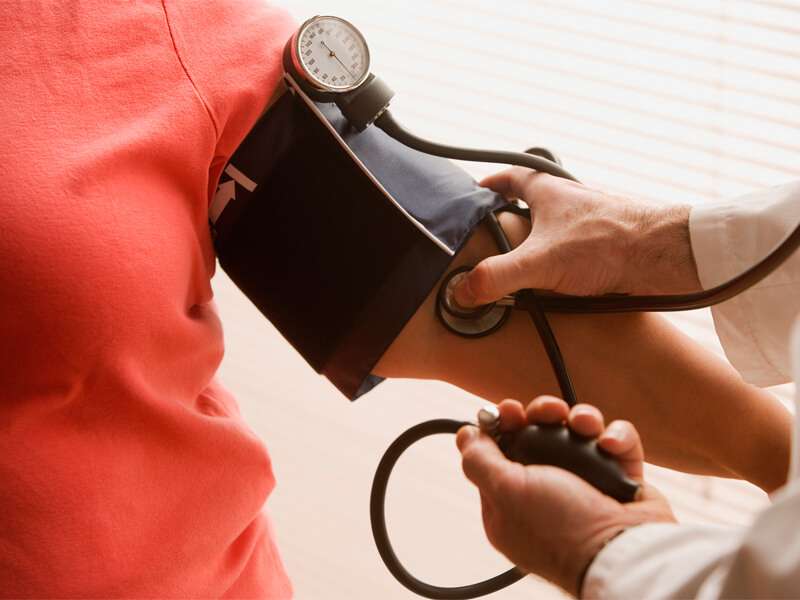
- Diagnosis: Regular blood pressure monitoring using sphygmomanometers; ambulatory monitoring may be used for accuracy.
- Treatment approach: Lifestyle modifications including diet and exercise, along with prescribed antihypertensive medications tailored to patient needs.
- Monitoring: Ongoing follow-up visits are critical to adjust therapy and monitor for possible side effects.
- Prognosis: With effective management, risks of cardiovascular events can significantly decrease.
Managing hypertension involves a combination of vigilant monitoring and individualized treatment strategies aimed at long-term health preservation.