
Dr R P Sharma
About Me
Dr R P Sharma
MS
Orthopaedic Surgeons
10 Years Experience
Biography
My Clinic
OPD Hours
| Monday | Morning | 10:00 AM | - | 02:00 PM |
| Evening | 06:00 PM | - | 09:00 PM | |
| Tuesday | Morning | 10:00 AM | - | 02:00 PM |
| Evening | 06:00 PM | - | 09:00 PM | |
| Wednesday | Morning | 10:00 AM | - | 02:00 PM |
| Evening | 06:00 PM | - | 09:00 PM | |
| Thursday | Morning | 10:00 AM | - | 02:00 PM |
| Evening | 06:00 PM | - | 09:00 PM | |
| Friday | Morning | 10:00 AM | - | 02:00 PM |
| Evening | 06:00 PM | - | 09:00 PM | |
| Saturday | Morning | 10:00 AM | - | 02:00 PM |
| Evening | 06:00 PM | - | 09:00 PM | |
| Sunday | Morning | 10:00 AM | - | 02:00 PM |
| Evening | 06:00 PM | - | 09:00 PM |
Treatments
Specialised care and treatments offered
SHOULDER IMPINGEMENT
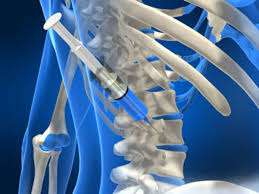
This condition occurs when shoulder tendons become trapped during arm movements due to anatomical irregularities. It's characterized by pain that typically worsens during overhead activities or lifting motions.
- Common signs are local shoulder pain aggravated by certain movements alongside possible limited range of motion.
- Diagnosis typically includes examining your shoulder function coupled with imaging techniques such as MRIs if needed .
- Initial treatment focuses predominantly on rest ,ice therapy,and anti-inflammatory medications .
- If unresolved after some months ,physical therapy aims at strengthening surrounding muscles while improving flexibility . < node emphasis = 'true' /> Surgical options exist primarily for those who continue experiencing debilitating limitations despite conservative efforts . < node emphasis = 'true' /> Patients usually notice marked benefits from adhering closely along prescribed courses leading back toward normal functionality again .
KNEE REPLACEMENT SURGERY

Knee replacement surgery is performed to relieve severe arthritis pain and restore function by replacing damaged knee components with artificial devices. It often becomes necessary when other treatments have failed to provide relief.
- The main indications for surgery include chronic pain that limits daily activities and inability to walk without support.
- Diagnosis involves comprehensive clinical evaluation alongside X-rays to assess joint damage extent.
- Preoperative preparations include consultations regarding anesthesia options and expectations post-surgery.
- After surgery , rehabilitation will focus on regaining strength , flexibility ,and walking capabilities over several weeks .
- Most people experience significant pain relief as well as improved mobility post- surgery ,resuming normal activities gradually .
CARPAL TUNNEL SYNDROME

This common condition arises when the median nerve becomes compressed as it travels through the wrist's carpal tunnel. This can lead to discomfort in one or both hands, making daily tasks challenging.
- Key indicators include tingling sensations, numbness in fingers, and weakness when gripping things tightly.
- A detailed history of symptoms combined with nerve conduction studies helps identify carpal tunnel syndrome accurately.
- Treatment approaches often begin conservatively with wrist splints; if symptoms persist, corticosteroid injections may provide relief.
- Surgery might be indicated for severe cases where conservative measures do not yield satisfactory results.
- Patients can expect significant improvement following intervention if endorsed early enough.
With timely care and appropriate treatment strategies in place,taking steps towards recovery is achievable for those battling carpal tunnel syndrome.
TENDONITIS

Tendonitis is an inflammation of the tendons that typically results from repetitive stress or overuse injuries. It is commonly seen in athletes but can affect anyone engaged in repetitive motions.
- The primary symptom is localized pain near the affected tendon during movement or activity.
- A medical professional may diagnose tendonitis based on symptoms along with physical examinations; imaging tests like ultrasounds may also assist in assessment.
- Treatment usually includes rest, ice application, anti-inflammatory medications, and physical therapy tailored to strengthen the tendon without aggravating it further.
- Corticosteroid injections might be considered for more persistent cases if conservative treatments don't provide relief.
- Recovery varies based on severity; however, most patients return to their activities successfully by following a structured rehabilitation program.
Addressing tendonitis early on can prevent further damage and promote quicker healing times.
FRACTURE MANAGEMENT

A fracture refers to a break in the bone, which can result from various causes including trauma, falls, or conditions like osteoporosis. Proper diagnosis and treatment are crucial for recovery and maintaining function.
- Common symptoms include severe pain at the site of injury, swelling, bruising, and inability to move the affected limb.
- A thorough physical exam along with X-rays or CT scans helps confirm the diagnosis.
- Treatment often involves immobilization using casts or splints; severe fractures may require surgical intervention such as internal fixation.
- Rehabilitation exercises play an essential role in restoring strength and function post-healing.
- Most patients can expect gradual recovery with adherence to their prescribed rehabilitation program.
Taking proper care during this healing process is vital for long-term outcomes after a fracture.
OSTEOARTHRITIS

Osteoarthritis is a degenerative joint disease that affects millions worldwide, particularly as they age. This condition occurs when the cartilage that cushions the joints wears down over time, leading to pain, stiffness, and reduced mobility.
- Symptoms include joint pain, swelling, and a decreased range of motion.
- The condition can be diagnosed through physical examinations and imaging tests such as X-rays or MRIs.
- Treatment options range from lifestyle changes and physical therapy to medications that alleviate pain.
- In some cases, surgical interventions like arthroscopy or joint replacement may be necessary.
- Patients can expect to notice improvement with consistent management and adherence to treatment plans.
Living with osteoarthritis may require adjustments, but many find relief through effective management strategies.