
Dr R P Agrawal
About Me
Dr R P Agrawal
MD
Neurologist
Biography
My Clinic
OPD Hours
| Monday | Morning | 10:00 AM | - | 02:00 PM |
| Evening | 06:00 PM | - | 09:00 PM | |
| Tuesday | Morning | 10:00 AM | - | 02:00 PM |
| Evening | 06:00 PM | - | 09:00 PM | |
| Wednesday | Morning | 10:00 AM | - | 02:00 PM |
| Evening | 06:00 PM | - | 09:00 PM | |
| Thursday | Morning | 10:00 AM | - | 02:00 PM |
| Evening | 06:00 PM | - | 09:00 PM | |
| Friday | Morning | 10:00 AM | - | 02:00 PM |
| Evening | 06:00 PM | - | 09:00 PM | |
| Saturday | Morning | 10:00 AM | - | 02:00 PM |
| Evening | 06:00 PM | - | 09:00 PM | |
| Sunday | Morning | 10:00 AM | - | 02:00 PM |
| Evening | 06:00 PM | - | 09:00 PM |
Treatments
Specialised care and treatments offered
ATTENTION DEFICIT HYPERACTIVITY DISORDER (ADHD)
This neurodevelopmental disorder begins in childhood but often continues into adulthood. Having ADHD involves managing many aspects beyond attention shortages alone!
- Main characteristics frequently encompass impulsivity issues alongside hyperactivity coupled with sustained attention deficits appearing across situations like home & school settings alike!
- A comprehensive diagnosis requires gathering information from parents/teachers who observe behavioral patterns complemented by specific test scores evaluating attention levels relative peers' performance standards within age brackets adequately addressing developmental milestones too!
- Common treatment methods incorporate educational interventions focusing on structure/routine-building combined medication options tailored per individual needs enhancing attentiveness functionality preferably involving collaboration among specialists/caregivers facilitating smooth transitions throughout learning gates effortlessly advocated regularly!
Approaching ADHD holistically empowers children & families alike fostering growth opportunities toward successful futures ultimately paving effective pathways encouraging progress worldwide beyond diagnosis parameters experienced universally understood!
ALZHEIMER'S DISEASE
A progressive brain disorder that leads to cognitive decline affecting memory, thinking skills, and behavior. Understanding Alzheimer’s can help manage its impact on daily living activities effectively.
- Evolving symptoms typically start with mild memory loss before escalating into significant difficulties with language and disorientation over time.
- Diagnosis combines cognitive tests assessing memory recall alongside detailed patient history regarding behavioral changes observed by caregivers or family members.
- While there is no cure available currently, treatment options focus on enhancing quality of life through medications that may temporarily improve symptoms or slow progression at times.
- Cognitive therapies engage patients mentally while creating supportive environments through routine activities tailored around familiarity which can ease anxiety related to confusion; social interaction plays a vital role too!
A compassionate support system enhances both caregiver resilience as well as patient wellbeing throughout Alzheimer's journey together!
MULTIPLE SCLEROSIS (MS)
This chronic illness impacts the central nervous system by disrupting communication between the brain and body. Early intervention can significantly influence outcomes for individuals diagnosed with MS.
- Main symptoms often include fatigue, numbness or tingling sensations, vision problems, and mobility challenges.
- Diagnostic processes may involve MRI scans along with neurological assessments to confirm lesions typical of MS in the brain or spinal cord.
- Treatment strategies are diverse: disease-modifying therapies aim to slow progression while symptomatic treatments focus on alleviating specific issues like fatigue or muscle spasms.
- Lifestyle adaptations such as adopting a balanced diet rich in omega-3 fatty acids alongside regular physical activity can contribute positively to overall health stability in those affected by MS.
A supportive care network is essential for navigating daily challenges faced by individuals living with multiple sclerosis.
EPILEPSY
A neurological disorder marked by recurrent seizures. Living with epilepsy varies greatly from person to person but understanding it is key to more effective management.
- Common symptoms are seizures that may appear as convulsions or brief lapses in awareness.
- The diagnosis often involves neurological evaluations alongside EEG tests that measure electrical activity in the brain.
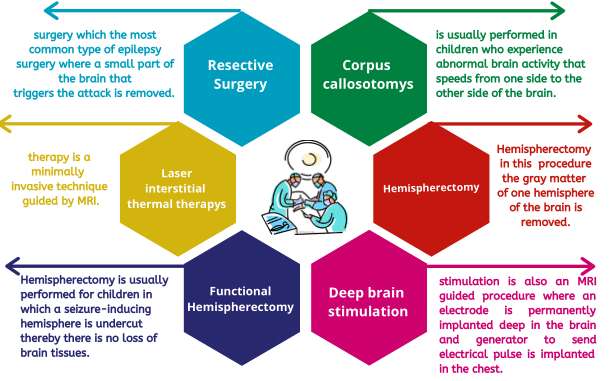
- Treatment typically includes antiepileptic medications that aim to reduce seizure frequency and severity.
- Lifestyle factors such as sleep hygiene, avoiding alcohol, and managing stress play crucial roles in preventing seizures.
- Everyone with epilepsy should have an emergency plan for seizure incidents to ensure safety during episodes.
An informed approach helps individuals lead fulfilling lives while managing this condition effectively.
PARKINSON'S DISEASE
This neurodegenerative disorder affects movement control. While there is no cure, understanding the condition can significantly improve quality of life for those affected.
- The main symptoms include tremors, stiffness, slowed movements, and balance difficulties.
- Diagnosis usually involves neurological examinations assessing motor functions and observing symptom progression over time.
- Treatment may consist of medications such as levodopa to improve symptoms or therapies like physical rehabilitation to maintain mobility.
- Lifestyle modifications including regular exercise and a balanced diet can aid in managing symptoms effectively.
- Support groups also provide valuable resources for coping with the emotional challenges associated with Parkinson's disease.
Engaging with healthcare providers can help tailor a comprehensive management plan suited to individual needs.
MIGRAINE
Migraine is a common type of headache, typically characterized by intense pain that can be debilitating. It often affects one side of the head and is accompanied by various symptoms.
- Symptoms may include nausea, sensitivity to light or sound, and visual disturbances.
- Diagnosis is generally based on patient history, physical examination, and possibly imaging tests to rule out other conditions.
- Treatment options encompass lifestyle changes, medication for pain relief, and preventive medications.
- Management strategies might involve stress reduction techniques, regular exercise, and maintaining a consistent sleep schedule.
- Patients should track triggers to help identify patterns that provoke migraines.
With appropriate management and lifestyle adjustments, many individuals find significant relief from migraine symptoms.