
Dr R N Yadav
About Me
Dr R N Yadav
MS
Orthopaedic Surgeons
10 Years Experience
Biography
My Clinic
OPD Hours
| Monday | Morning | 10:00 AM | - | 02:00 PM |
| Evening | 06:00 PM | - | 09:00 PM | |
| Tuesday | Morning | 10:00 AM | - | 02:00 PM |
| Evening | 06:00 PM | - | 09:00 PM | |
| Wednesday | Morning | 10:00 AM | - | 02:00 PM |
| Evening | 06:00 PM | - | 09:00 PM | |
| Thursday | Morning | 10:00 AM | - | 02:00 PM |
| Evening | 06:00 PM | - | 09:00 PM | |
| Friday | Morning | 10:00 AM | - | 02:00 PM |
| Evening | 06:00 PM | - | 09:00 PM | |
| Saturday | Morning | 10:00 AM | - | 02:00 PM |
| Evening | 06:00 PM | - | 09:00 PM | |
| Sunday | Morning | 10:00 AM | - | 02:00 PM |
| Evening | 06:00 PM | - | 09:00 PM |
Treatments
Specialised care and treatments offered
HIP REPLACEMENT SURGERY
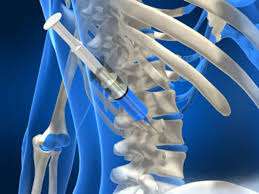
This surgical procedure involves replacing damaged hip joint parts with prosthetic components. It's commonly performed on patients affected by arthritis or severe hip fractures that impair mobility significantly.
- The Main Symptoms: Persistent hip pain during daily activities that doesn't improve with conservative treatments signal possible need for surgery!
- Surgical Assessment: Thorough evaluations including imaging studies help determine candidacy for hip replacement based on severity level of joint degeneration.
- Treatment Details: Hip replacement can either be total (replacing both femoral head & acetabulum) or partial—targeted towards specific areas only
- Your Recovery Process: Attending follow-up appointments will track healing progress; physiotherapy remains essential for regaining strength safely post-op.
The success rate of hip replacements is remarkably high with improved quality-of-life noted within months following surgery!
CARPAL TUNNEL SYNDROME MANAGEMENT
This condition arises when pressure on the median nerve at the wrist leads to discomfort and functional impairment. Recognizing symptoms early can prevent permanent damage.
- The Main Symptoms: Numbness, tingling sensations in fingers especially at night, weakness while gripping objects characterize carpal tunnel syndrome!
- The option might be surgical intervention aimed at relieving nerve compression.
SHOULDER DISLOCATION TREATMENT

A shoulder dislocation occurs when the upper arm bone pops out of its socket. This injury often results from trauma or falls during sports activities or accidents.
- Symptoms Include: Immediate intense pain, swelling around the shoulder, visible deformity, and limited range of motion are prominent indicators.
- Differential Diagnosis: Evaluating medical history alongside physical examinations helps confirm dislocation versus other possible injuries like fractures.
- Treatment Protocols: Closed reduction (manipulation back into place) usually resolves dislocations; however, surgery may be indicated for recurrent cases or associated fractures.
A prompt response is essential in managing shoulder dislocations effectively to mitigate long-term complications such as instability or arthritis.
KNEE ARTHROSCOPY

Knee arthroscopy is a minimally invasive surgical procedure used to diagnose and treat various knee issues. This technique offers faster recovery times compared to traditional open surgery.
- Common Conditions: Issues such as meniscal tears, cartilage damage, or knee joint inflammation can be effectively addressed through arthroscopy.
- Diagnosis Process: An initial clinical evaluation followed by arthroscopic examination provides clear insights into the knee's internal structures.
- Treatment Methods: During the procedure, damaged tissues may be repaired or removed using specialized instruments inserted through small incisions.
- Recovery Journey: Patients typically resume normal activities sooner due to minimal trauma involved in arthroscopy but still require follow-up care for rehabilitation.
Knee arthroscopy greatly enhances patient outcomes by reducing pain and promoting quicker physical activity resumption.
TENDON REPAIR

Tendon injuries, particularly ruptures, can significantly impact mobility and quality of life. Timely intervention is essential for optimal recovery.
- Symptoms: Patients often experience sudden pain, swelling around the joint, and difficulty moving the affected area.
- Diagnosis: A detailed examination combined with imaging techniques like MRI helps confirm tendon damage.
- Treatment Options: Surgical repair is often necessary for complete ruptures, while less severe injuries might be managed with rest and physical therapy.
- Recovery Expectations: Rehabilitation after tendon repair is critical; it focuses on gradually restoring movement and strength through guided exercises.
Effective tendon repair leads to improved function and reduced pain over time.
FRACTURE MANAGEMENT

Fractures are common injuries that occur when a bone is subjected to excessive force. These breaks can vary in severity and may require different approaches for management.
- Symptoms: Pain, swelling, bruising, and inability to use the affected limb are typical signs of a fracture.
- Diagnosis: A thorough physical examination and imaging tests like X-rays or CT scans are crucial to identify the type and extent of the fracture.
- Treatment Options: Depending on the fracture type, treatment can range from conservative measures like splinting or casting to surgical interventions for more complex cases.
- Post-Operative Care: After surgery, rehabilitation exercises and physical therapy play a vital role in restoring function and strength.
The goal of fracture management is to ensure proper healing while minimizing complications.