
Dr R N Srivastava
About Me
Dr R N Srivastava
MD
Diabetologist
10 Years Experience
Biography
My Clinic
OPD Hours
| Monday | Morning | 10:00 AM | - | 02:00 PM |
| Evening | 06:00 PM | - | 09:00 PM | |
| Tuesday | Morning | 10:00 AM | - | 02:00 PM |
| Evening | 06:00 PM | - | 09:00 PM | |
| Wednesday | Morning | 10:00 AM | - | 02:00 PM |
| Evening | 06:00 PM | - | 09:00 PM | |
| Thursday | Morning | 10:00 AM | - | 02:00 PM |
| Evening | 06:00 PM | - | 09:00 PM | |
| Friday | Morning | 10:00 AM | - | 02:00 PM |
| Evening | 06:00 PM | - | 09:00 PM | |
| Saturday | Morning | 10:00 AM | - | 02:00 PM |
| Evening | 06:00 PM | - | 09:00 PM | |
| Sunday | Morning | 10:00 AM | - | 02:00 PM |
| Evening | 06:00 PM | - | 09:00 PM |
Treatments
Specialised care and treatments offered
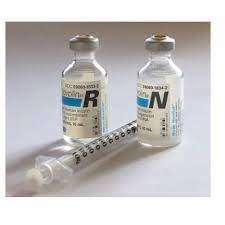
INSULIN THERAPY OPTIONS

Insulin therapy remains a cornerstone treatment choice for both Type 1 and Type 2 diabetes. Understanding when and how to use insulin optimally is fundamental in managing blood sugar levels effectively!
- The primary challenge faced by many patients includes recognizing signs indicating their need for insulin adjustments due primarily to stress factors like illness!
DIABETES-RELATED FOOT CARE
Caring for your feet is crucial for those living with diabetes due to potential complications like neuropathy and poor circulation which may heighten the risk of foot injuries or infections.
- You might experience symptoms such as numbness or decreased sensation which makes foot injuries hard to detect early on.
- A thorough foot examination by a healthcare provider can identify issues before they escalate into serious conditions requiring further treatment or surgery!
- The best preventive measures involve maintaining proper hygiene alongside routine foot checks at home to ensure any anomalies are caught early on!
An informed approach empowers patients to take charge of their foot health proactively while mitigating risks associated with diabetic neuropathy!
TYPE 2 DIABETES LIFESTYLE MANAGEMENT
Type 2 diabetes is characterized by insulin resistance and often occurs due to lifestyle factors. Early intervention through lifestyle changes is vital for effective management of this condition.
- Main symptoms can include increased hunger, blurred vision, and unexplained weight loss or gain.
- This type of diabetes is diagnosed through fasting plasma glucose tests or hemoglobin A1c tests that reflect average blood sugar over time.
- A combination of diets rich in whole grains, fruits, vegetables, coupled with regular exercise plays an essential role in management plans.
- If necessary, medication may support dietary efforts but should complement a healthy lifestyle rather than replace it.
A proactive approach helps individuals manage Type 2 diabetes effectively while preventing severe complications down the line.
DIABETIC NEUROPATHY TREATMENT
Diabetic neuropathy is a common complication arising from prolonged high blood sugar levels affecting nerves. It can lead to significant discomfort and complications if left untreated.
- This condition may present as Numbness, tingling, or pain in the hands and feet, impacting daily activities.
- A comprehensive evaluation typically includes neurological examinations, alongside patient-reported symptoms.
- Treatment focuses on sugar control, pain relief medications, and lifestyle interventions aimed at improving nerve function.
- Pain management strategies could include physical therapy or alternative therapies like acupuncture or relaxation techniques.
If you suspect any nerve damage due to diabetes, seeking professional help can vastly improve your quality of life.
GESTATIONAL DIABETES CONTROL
Gestational diabetes occurs during pregnancy and typically resolves after childbirth. Proper control is crucial for both maternal and fetal health.
- The primary symptoms might be absent; therefore, screening is essential during pregnancy.
- This condition is usually detected via glucose tolerance tests conducted in the second trimester.
- Treatment often includes dietary modifications and sometimes insulin therapy to maintain normal blood sugar levels.
- A consistent exercise regimen can significantly improve outcomes for both mother and baby.
- Lifestyle changes made during this period can also reduce the risk of developing Type 2 diabetes later on.
Mothers who manage their gestational diabetes effectively set the stage for a healthier pregnancy and delivery.
TYPE 1 DIABETES MANAGEMENT
Type 1 diabetes is an autoimmune condition where the pancreas produces little to no insulin. It often manifests in childhood or adolescence but can occur at any age.
- Symptoms may include increased thirst, frequent urination, and extreme fatigue.
- This condition is diagnosed through blood tests that measure blood glucose levels.
- Management involves a careful balance of insulin therapy, diet, and regular monitoring of blood sugar levels.
- Patients are encouraged to adopt a nutrient-rich diet along with regular physical activity.
- Continuous glucose monitors can assist in maintaining optimal glucose levels.
With appropriate management strategies, individuals with Type 1 diabetes can lead healthy, fulfilling lives.