
Dr R N
About Me
Dr R N
MS
Cardiothorocic Surgeon
10 Years Experience
Biography
My Clinic
OPD Hours
| Monday | Morning | 10:00 AM | - | 02:00 PM |
| Evening | 06:00 PM | - | 09:00 PM | |
| Tuesday | Morning | 10:00 AM | - | 02:00 PM |
| Evening | 06:00 PM | - | 09:00 PM | |
| Wednesday | Morning | 10:00 AM | - | 02:00 PM |
| Evening | 06:00 PM | - | 09:00 PM | |
| Thursday | Morning | 10:00 AM | - | 02:00 PM |
| Evening | 06:00 PM | - | 09:00 PM | |
| Friday | Morning | 10:00 AM | - | 02:00 PM |
| Evening | 06:00 PM | - | 09:00 PM | |
| Saturday | Morning | 10:00 AM | - | 02:00 PM |
| Evening | 06:00 PM | - | 09:00 PM | |
| Sunday | Morning | 10:00 AM | - | 02:00 PM |
| Evening | 06:00 PM | - | 09:00 PM |
Treatments
Specialised care and treatments offered
LUNG BIOPSY
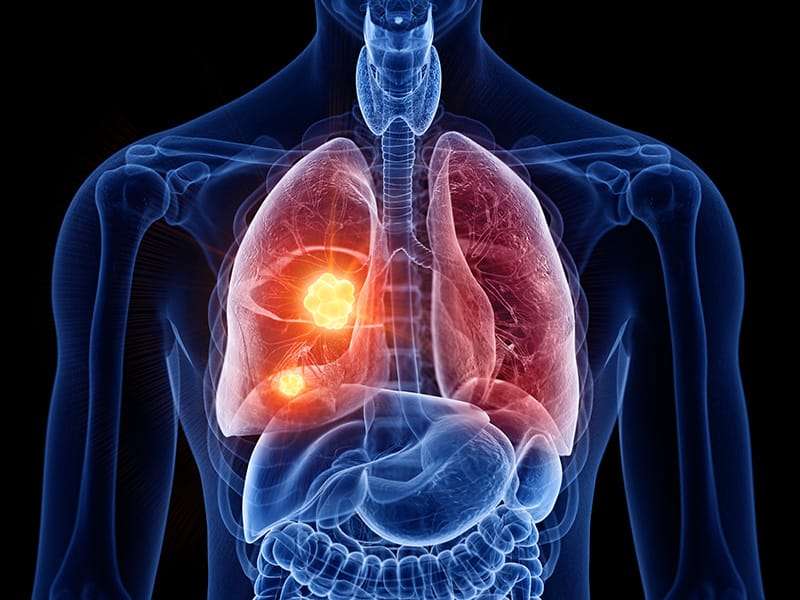
A lung biopsy is critical for diagnosing various lung conditions including infections and malignancies. The ability to obtain tissue samples through minimally invasive means offers vital insights into respiratory health without extensive recovery times associated with larger surgeries.
- Symptoms : Unexplained coughing, weight loss, or persistent respiratory infections may warrant consideration for a biopsy procedure.
- Diagnosis : Imaging studies combined with bronchoscopy are essential tools in determining when a biopsy is necessary based on observed anomalies.
- Treatment Options : Needle biopsies under imaging guidance are common; they allow sample collection with minimal risk while providing necessary diagnostic information.
- Expectations : Once performed successfully at outpatient facilities, patients generally resume normal activities by the next day without major disruptions.
This diagnostic tool enables effective management plans tailored specifically toward individual patient needs following biopsy results interpretation enabling timely therapeutic action where required!
MINIMALLY INVASIVE VALVE REPAIR
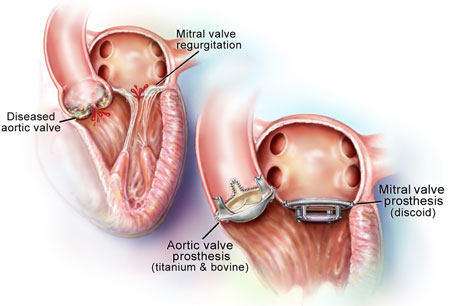
Aortic and mitral valve diseases can lead to serious health complications if untreated. Minimally invasive valve repair techniques aim to correct these issues while minimizing surgical trauma and expediting recovery time for patients.
- Symptoms : Signs may involve breathlessness during exertion, chest discomfort, or fatigue indicative of valve dysfunction.
- Diagnosis : Echocardiograms are often utilized alongside other imaging modalities to evaluate valve structure and function.
- Treatment Options : Repairing faulty valves can often be accomplished with catheter-based techniques which maintain cardiopulmonary stability.
- Expectations : With minimal invasiveness comes shorter hospital stays; most individuals return home within days after the procedure.
This approach aims at restoring proper heart function while offering a faster transition back into everyday life for patients affected by valve disorders.
THORACIC OUTLET SYNDROME SURGERY
Thoracic Outlet Syndrome (TOS) occurs when blood vessels or nerves become compressed at the thoracic outlet, leading to significant discomfort and mobility issues. Surgical intervention can relieve these symptoms effectively.
- Symptoms: Common signs include shoulder pain, numbness in fingers, or swelling in arms due to vascular compression.
- Diagnosis: Detailed evaluations using MRIs or nerve conduction studies help confirm TOS diagnosis accurately.
- Treatment Options: Non-surgical treatments include physical therapy; however, severe cases may require surgical decompression through careful excision of anatomical structures causing compression.
- Expectations: Following surgery, many patients report substantial relief and improved limb function within a few weeks post-operation.
Surgery can significantly enhance daily functioning for those severely impacted by TOS symptoms.
ROBOTIC-ASSISTED CARDIAC SURGERY
Robotic-assisted cardiac surgery represents the forefront of modern minimally invasive approaches to heart surgery. This technique employs robotic systems that enhance precision and reduce trauma during complex procedures.
- Symptoms: Patients may suffer from coronary artery disease presenting as angina or shortness of breath when performing physical activities.
- Diagnosis: Diagnosis typically includes comprehensive evaluations through stress tests, angiograms, or echocardiography.
- Treatment Options: Conditions might require bypass grafting or valve repairs achievable via robotic assistance.
- Expectations: Patients often experience less pain and quicker recovery times compared to traditional surgery methods.
The use of robotic technology enhances surgical outcomes while ensuring patient safety is prioritized throughout the process.
ATRIAL SEPTAL DEFECT CLOSURE
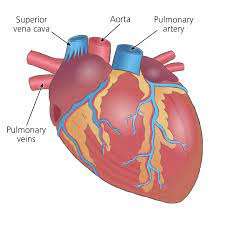
An atrial septal defect (ASD) is a congenital condition characterized by an opening between the heart's upper chambers. Closing this defect can prevent long-term complications such as heart failure or arrhythmias.
- Symptoms: Patients might experience fatigue, palpitations, and sometimes heart murmurs detected during routine check-ups.
- Diagnosis: Echocardiograms and other cardiac imaging techniques are essential in confirming the presence of an ASD.
- Treatment Options: Many cases can be managed through catheter-based interventions or surgical closure using patches.
- Expectations: Post-procedure recovery typically involves monitoring but allows for resumption of normal activities shortly afterward.
This intervention significantly improves quality of life by preventing further cardiac strain.
VIDEO-ASSISTED THORACOSCOPIC SURGERY (VATS)
Video-Assisted Thoracoscopic Surgery (VATS) is a minimally invasive surgical technique used to access the thoracic cavity. This approach utilizes small incisions and a camera to guide the surgeon, allowing for quicker recoveries and reduced pain.
- Symptoms: Patients may present with persistent chest pain, unexplained shortness of breath, or pleural effusion.
- Diagnosis: Diagnosis often involves imaging tests such as CT scans or MRIs, alongside physical examinations.
- Treatment Options: VATS can be employed for procedures like lung biopsies, removal of lung sections, or treatment of pleural diseases.
- Expectations: Recovery times are generally shorter than traditional surgery, with most patients returning to regular activities within weeks.
This procedure not only enhances patient comfort but also minimizes hospital stays and complications.