
Dr R Kumar
About Me
Dr R Kumar
MBBS
General Physician
10 Years Experience
Biography
My Clinic
OPD Hours
| Monday | Morning | 10:00 AM | - | 02:00 PM |
| Evening | 06:00 PM | - | 09:00 PM | |
| Tuesday | Morning | 10:00 AM | - | 02:00 PM |
| Evening | 06:00 PM | - | 09:00 PM | |
| Wednesday | Morning | 10:00 AM | - | 02:00 PM |
| Evening | 06:00 PM | - | 09:00 PM | |
| Thursday | Morning | 10:00 AM | - | 02:00 PM |
| Evening | 06:00 PM | - | 09:00 PM | |
| Friday | Morning | 10:00 AM | - | 02:00 PM |
| Evening | 06:00 PM | - | 09:00 PM | |
| Saturday | Morning | 10:00 AM | - | 02:00 PM |
| Evening | 06:00 PM | - | 09:00 PM | |
| Sunday | Morning | 10:00 AM | - | 02:00 PM |
| Evening | 06:00 PM | - | 09:00 PM |
Treatments
Specialised care and treatments offered
CHRONIC OBSTRUCTIVE PULMONARY DISEASE (COPD) ASSESSMENT

COPD encompasses progressive lung diseases that cause breathing difficulties. Early recognition improves symptom control and slows progression substantially.
- Main causes and indicators: Long-term exposure to cigarette smoke or pollutants; persistent cough with mucus production; shortness of breath during activities; > > >
THYROID FUNCTION EVALUATION
The thyroid gland regulates metabolism through hormone secretion. Assessing its function is crucial when patients experience unexplained weight changes or energy alterations.
- Causal factors and signs: Fatigue, weight gain/loss, mood fluctuations may indicate thyroid dysfunction such as hypothyroidism or hyperthyroidism.
- Labs conducted: Blood tests measure thyroid hormones T3, T4 alongside thyroid-stimulating hormone (TSH) levels for accurate diagnosis.
- Treatment modalities: Hormone replacement therapy corrects underactive glands; antithyroid drugs manage excess hormone production cases.
- Treatment monitoring: Periodic testing ensures appropriate dosing minimizing side effects while restoring balance effectively.
An accurate diagnosis followed by tailored treatment prevents complications associated with abnormal thyroid activity significantly improving daily functioning.
ROUTINE HEALTH CHECK-UP
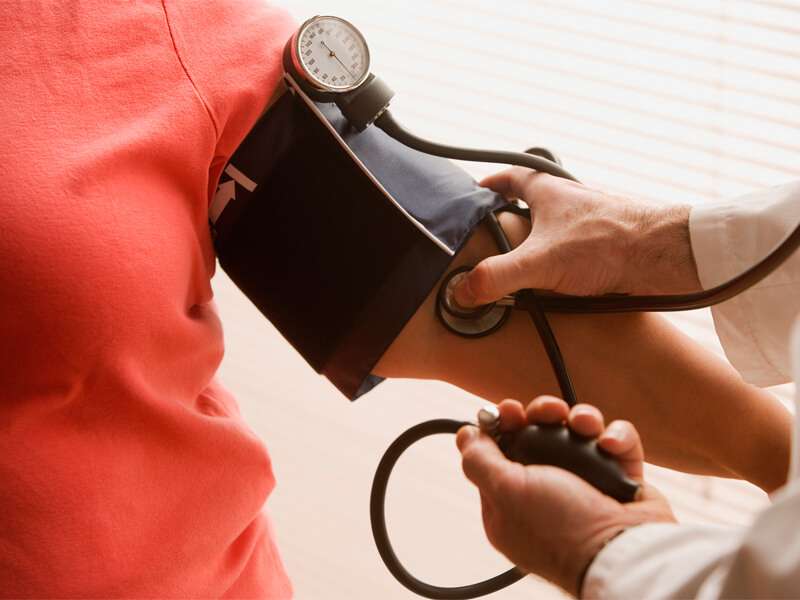
A routine health check-up involves comprehensive evaluations aimed at detecting medical conditions before symptoms appear. It promotes preventive healthcare practices.
- Screens included: Vital signs assessment, blood tests (complete blood count, lipid profile), urine analysis, ECG for heart function evaluation.
- Lifestyle assessment: Evaluation of diet, exercise habits, smoking or alcohol use impacting general health status.
- Importance of regular visits: Identifying risk factors early enables timely interventions reducing future illness burden.
- Customizing follow-up plans: Based on findings, doctors recommend targeted specialist referrals or therapy adjustments tailored individually.
This process empowers patients with knowledge about their health to maintain well-being proactively throughout life stages.
DIABETES MELLITUS SCREENING AND CARE

Diabetes mellitus is a metabolic disorder characterized by high blood sugar levels. Early detection through screening is vital for preventing complications.
- Risk factors and symptoms: Excessive thirst, frequent urination, fatigue, obesity, family history.
- Diagnostic tests: Includes fasting blood glucose test, HbA1c test measuring long-term glucose control.
- Treatment approaches: Lifestyle changes like diet regulation and physical activity combined with medications such as insulin or oral hypoglycemics as needed.
- Ongoing management: Regular monitoring of sugar levels helps adjust therapy to prevent damage to organs like kidneys and eyes.
A proactive approach in diabetes care greatly enhances health outcomes over time.
HYPERTENSION MANAGEMENT

High blood pressure, or hypertension, is a common condition that can lead to serious health complications if left untreated. Managing it early helps prevent heart disease and stroke.
- Symptoms and causes: Often called the "silent killer," hypertension usually has no symptoms but can be linked to genetics, obesity, stress, and lifestyle factors.
- Diagnosis: Blood pressure is measured with a cuff; consistently elevated readings confirm the condition.
- Treatment options: Lifestyle modifications such as diet changes and exercise are first steps; medications may be prescribed to control levels effectively.
- Monitoring: Regular check-ups ensure blood pressure remains within safe limits and medication effectiveness is assessed.
Effective management of hypertension requires cooperation between patient and physician to reduce risks and improve quality of life.