
Dr R K Mathur
About Me
Dr R K Mathur
MBBS
General Physician
10 Years Experience
Biography
My Clinic
OPD Hours
| Monday | Morning | 10:00 AM | - | 02:00 PM |
| Evening | 06:00 PM | - | 09:00 PM | |
| Tuesday | Morning | 10:00 AM | - | 02:00 PM |
| Evening | 06:00 PM | - | 09:00 PM | |
| Wednesday | Morning | 10:00 AM | - | 02:00 PM |
| Evening | 06:00 PM | - | 09:00 PM | |
| Thursday | Morning | 10:00 AM | - | 02:00 PM |
| Evening | 06:00 PM | - | 09:00 PM | |
| Friday | Morning | 10:00 AM | - | 02:00 PM |
| Evening | 06:00 PM | - | 09:00 PM | |
| Saturday | Morning | 10:00 AM | - | 02:00 PM |
| Evening | 06:00 PM | - | 09:00 PM | |
| Sunday | Morning | 10:00 AM | - | 02:00 PM |
| Evening | 06:00 PM | - | 09:00 PM |
Treatments
Specialised care and treatments offered
GASTROESOPHAGEAL REFLUX DISEASE (GERD) CARE
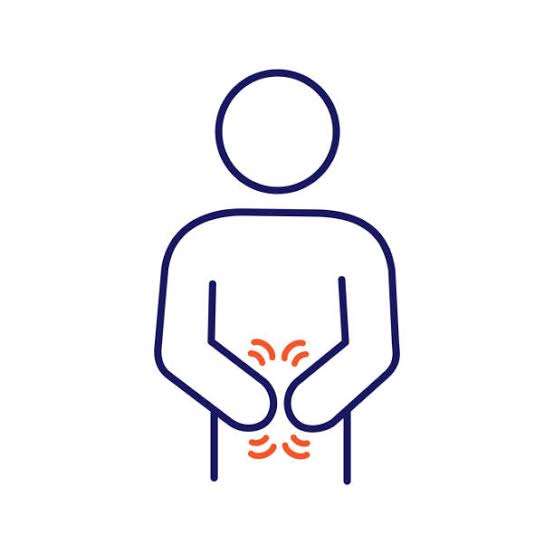
This digestive disorder happens when stomach acid frequently flows back into the tube connecting your mouth and stomach (esophagus). This backwash irritates lining resulting in uncomfortable symptoms requiring appropriate attention for relief.
< ul >< li >< strong > Typical signs & triggers: Heartburn sensation after meals or lying down; overeating/spicy foods exacerbate complaints;< li >< strong > Diagnostic considerations: Largely symptom-based diagnosis supplemented by endoscopy if alarm features present;< li >< strong > Management strategies: Lifestyle changes such as weight control avoiding late meals; proton pump inhibitors reduce acid production;< li >< strong > Outcome expectations: Most experience symptom improvement with therapy though some require ongoing maintenance drugs;< p > Early intervention minimizes complications like esophagitis ensuring improved comfort during daily activities affected by reflux episodes.ACUTE RESPIRATORY TRACT INFECTION MANAGEMENT

The common acute respiratory tract infections affect either upper or lower airways causing discomfort but usually resolve without major complications. These infections are among the most frequent reasons for doctor's visits globally.
- Spectrum & symptoms: Includes cold, flu, bronchitis presenting as sore throat, cough, nasal congestion, mild fever;
- Diagnosis approach: Primarily clinical assessment supported by history-taking; lab tests are rarely required unless complications suspected;
- Treatment advice: Symptomatic relief using analgesics/antipyretics; antibiotics only if bacterial infection confirmed;
- < strong > Expected duration & preventive measures: Most recover within 7-10 days with rest & hydration; good hygiene practices reduce transmission risk;< p > Understanding typical course aids patients' reassurance while vigilant monitoring helps detect possible worsening warranting medical review.
ANEMIA EVALUATION AND TREATMENT

Anemia occurs when there are insufficient red blood cells or hemoglobin to carry adequate oxygen throughout the body. It is common across various age groups especially in women and elderly individuals.
- Causative factors & symptoms: Nutritional deficiencies (iron, B12), chronic diseases; noted by fatigue, pallor, weakness.
- Diagnosis involves: Complete blood count tests along with iron studies help identify type and cause of anemia.
- Treatment modalities: Supplementation dependent on deficiency type; dietary adjustments play an important role in recovery.
- Mild versus severe cases: Mild anemia can be managed outpatient while severe types require more intensive evaluation to exclude underlying conditions like bleeding disorders or malignancies.
A personalized approach ensures correction of underlying causes thus restoring energy levels effectively with minimal risks involved.
CHRONIC OBSTRUCTIVE PULMONARY DISEASE (COPD) CARE
COPD is a progressive lung disease that makes breathing difficult due to airflow limitation. It primarily develops from long-term exposure to harmful particles or gases.
- Main causes and signs: Cigarette smoking is the leading cause; symptoms include chronic cough, sputum production, shortness of breath.
- Diagnostic procedures: Spirometry tests evaluate lung function while chest X-rays may rule out other diseases.
- Treatment strategies: Smoking cessation support, bronchodilators, inhaled corticosteroids; pulmonary rehabilitation helps improve symptoms。
- Disease outlook: COPD requires ongoing management focusing on symptom control and preventing exacerbations for better daily functioning.
A proactive approach towards early detection and consistent therapy can slow progression and enhance respiratory health over time.
TYPE 2 DIABETES MELLITUS

Type 2 diabetes is a chronic metabolic disorder affecting the way the body processes blood sugar. It results from insulin resistance combined with relative insulin deficiency.
- Symptoms and causes: Polyuria, increased thirst, fatigue; risk factors include obesity, family history, poor diet.
- Diagnostic methods: Blood tests including fasting blood glucose and HbA1c levels help confirm the diagnosis.
- Treatment approaches: Emphasis on dietary modification, regular physical activity; oral hypoglycemic agents or insulin therapy may be necessary.
- Lifelong management: Monitoring blood sugar levels regularly and preventive care reduces complications like neuropathy or cardiovascular disease.
A well-structured diabetic care plan tailored to individual needs improves quality of life and prevents severe long-term effects of the disease.
HYPERTENSION MANAGEMENT
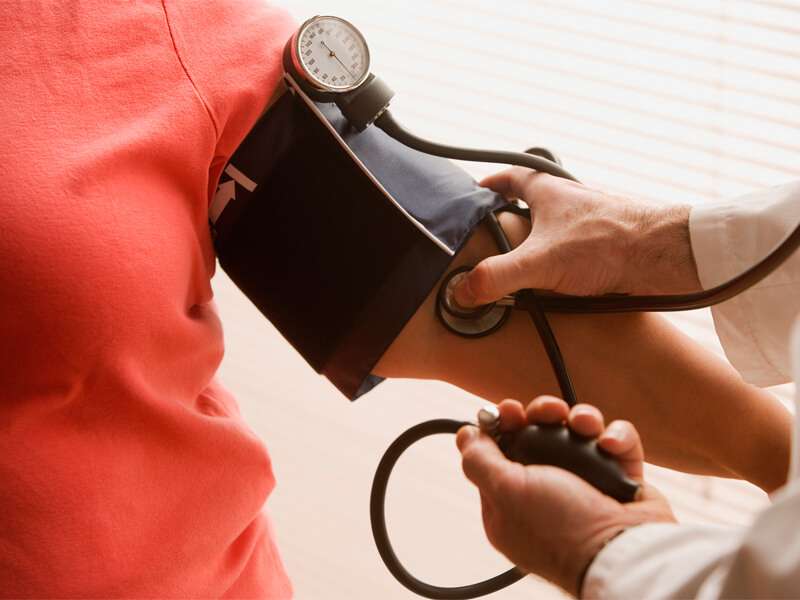
High blood pressure, or hypertension, is a prevalent condition that can lead to serious health problems if not managed correctly. It is often called the 'silent killer' because it may present no symptoms for years.
- Causes and symptoms: Factors include genetics, diet high in salt, obesity, stress, and sedentary lifestyle. Symptoms are rare but can include headaches or dizziness.
- Diagnosis: Blood pressure readings with a sphygmomanometer over multiple visits confirm diagnosis.
- Treatment options: Lifestyle changes such as reduced salt intake, regular exercise, weight loss; medications like ACE inhibitors or beta-blockers may be prescribed based on severity.
- Monitoring: Regular follow-up visits to track blood pressure and adjust treatment are essential for long-term success.
Proper management of hypertension helps prevent complications such as heart attacks and strokes. Early diagnosis and adherence to treatment significantly improve outcomes.