
Dr R K choudhary
About Me
Dr R K choudhary
MBBS
Oncologist
10 Years Experience
Biography
My Clinic
OPD Hours
| Monday | Morning | 10:00 AM | - | 02:00 PM |
| Evening | 06:00 PM | - | 09:00 PM | |
| Tuesday | Morning | 10:00 AM | - | 02:00 PM |
| Evening | 06:00 PM | - | 09:00 PM | |
| Wednesday | Morning | 10:00 AM | - | 02:00 PM |
| Evening | 06:00 PM | - | 09:00 PM | |
| Thursday | Morning | 10:00 AM | - | 02:00 PM |
| Evening | 06:00 PM | - | 09:00 PM | |
| Friday | Morning | 10:00 AM | - | 02:00 PM |
| Evening | 06:00 PM | - | 09:00 PM | |
| Saturday | Morning | 10:00 AM | - | 02:00 PM |
| Evening | 06:00 PM | - | 09:00 PM | |
| Sunday | Morning | 10:00 AM | - | 02:00 PM |
| Evening | 06:00 PM | - | 09:00 PM |
Treatments
Specialised care and treatments offered
STEREOTACTIC RADIOSURGERY (SRS)
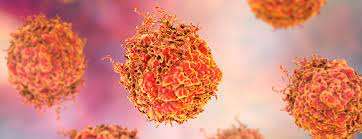
Stereotactic radiosurgery delivers highly focused radiation beams precisely targeting brain tumors without invasive surgery. Despite its name, it is a radiation technique rather than traditional surgery.
- Indications : Commonly used for primary brain tumors or metastatic lesions requiring effective local control .
- Diagnostic preparation : Advanced imaging ensures accurate localization before treatment planning .
- Treatment benefits : Minimizes exposure of surrounding critical brain tissue reducing cognitive side effects compared to conventional radiotherapy .
- Patient outlook : Usually done outpatient with minimal discomfort followed by routine monitoring through imaging .
This cutting-edge modality provides an alternative for patients unsuitable for open brain surgery owing to lesion size , location , or overall condition .
IMMUNOTHERAPY IN MELANOMA MANAGEMENT
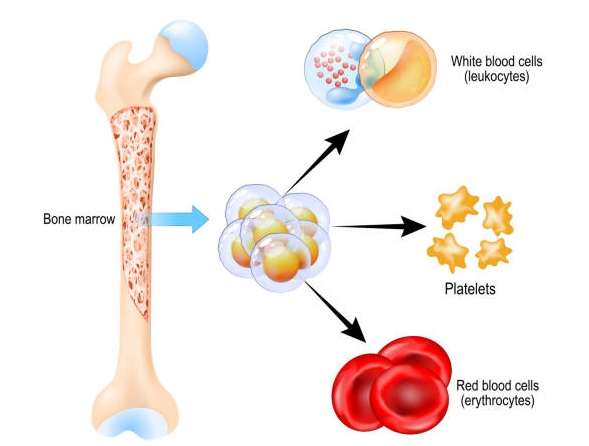
The use of immunotherapy harnesses the body's immune system to fight melanoma by enhancing its ability to recognize and destroy cancer cells. This treatment has transformed outlooks particularly in advanced cases.
- Description/symptoms: Effective primarily against metastatic or unresectable melanoma where traditional methods are limited.
- Diagnostic criteria:Tumor biopsy confirming melanoma subtype; staging assessments guide immunotherapy candidacy
- Modalities: Immune checkpoint inhibitors work by blocking proteins that hinder immune responses against tumors .
- Patient experience : Side effects vary but can include inflammation-related symptoms manageable by timely interventions .
Immunotherapy represents a promising frontier offering durable responses by leveraging natural defense mechanisms against certain aggressive skin cancers .
BONE MARROW TRANSPLANTATION

A bone marrow transplant replaces damaged or destroyed bone marrow with healthy stem cells. It is often utilized in treating blood cancers such as leukemia and lymphoma after intensive chemotherapy or radiation.
- Symptoms/causes: Indicated for patients whose marrow fails due to malignancy affecting blood cell production.
- Pre-transplant evaluation: Comprehensive workup ensures patient’s fitness; donor matching (allogeneic) is crucial if not using own cells (autologous).
- Treatment process: Conditioning regimen precedes infusion of stem cells which then repopulate marrow with healthy blood-forming cells.
- Court expectations: Risks include graft-versus-host disease; close follow-up essential for complications management while awaiting immune reconstitution.
This complex yet potentially curative procedure requires careful coordination but offers hope for long-term remission in select patients with hematological cancers.
RADIATION THERAPY FOR HEAD AND NECK CANCERS
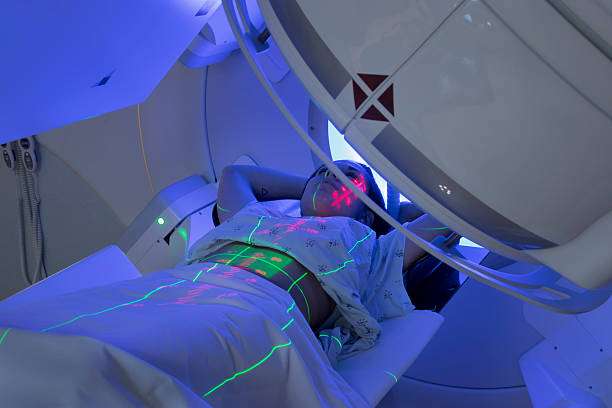
Radiation therapy uses high-energy rays to kill cancer cells or shrink tumors in the head and neck region. It can be employed alone or combined with surgery and chemotherapy based on the cancer stage.
- Symptoms/causes: Applicable when tumors affect oral cavity, throat, larynx, or nearby structures causing pain, swelling, or difficulty swallowing.
- Diagnosis: Imaging scans and biopsy confirm extent requiring radiation intervention.
- Treatment approaches: External beam radiation delivered daily over several weeks targets malignant cells precisely while minimizing damage to normal tissue.
- What to expect: Side effects may include skin irritation and mucositis; breakthroughs in technology allow better preservation of function and appearance.
This therapy plays a pivotal role in controlling local disease progression with curative or palliative intent depending on individual cases.
TARGETED THERAPY FOR LUNG CANCER
Targeted therapy focuses on specific molecular changes that drive cancer growth. In lung cancer treatment, it helps attack cancer cells more precisely while sparing normal cells.
- Symptoms/causes: Usually works in non-small cell lung cancer with identifiable genetic mutations like EGFR or ALK rearrangements.
- Diagnosis: Genetic testing on tumor samples determines suitability for targeted agents.
- Treatment/management: Oral medicines inhibit specific pathways aiding tumor growth; often used alongside other treatments depending on disease stage.
- What to expect: Reduced side effects compared to chemotherapy; close monitoring needed for resistance or adverse reactions.
This approach is an important advancement enabling personalized treatment plans tailored to individual tumor profiles.
LAPAROSCOPIC CANCER SURGERY
Laparoscopic cancer surgery is a minimally invasive technique used to remove tumors or affected tissues. It involves small incisions and the use of a camera and specialized instruments, resulting in less pain and quicker recovery compared to traditional surgery.
- Symptoms/causes: Indicated for cancers localized in areas accessible via laparoscopy, such as gastrointestinal, gynecologic, or abdominal tumors.
- Diagnosis: Imaging studies like CT scans, MRI, and biopsies help determine eligibility for laparoscopic approaches.
- Treatment options: Tumor excision through keyhole incisions aims to preserve healthy tissue while ensuring complete removal.
- What to expect: Reduced blood loss, shorter hospital stay, fewer complications, and faster return to daily activities.
This method represents an effective surgical option combining safety with improved postoperative outcomes, especially when performed by experienced oncologic surgeons.