
DR R K Bansal
About Me
DR R K Bansal
MBBS
Diabetologist
10 Years Experience
Biography
My Clinic
OPD Hours
| Monday | Morning | 10:00 AM | - | 02:00 PM |
| Evening | 06:00 PM | - | 09:00 PM | |
| Tuesday | Morning | 10:00 AM | - | 02:00 PM |
| Evening | 06:00 PM | - | 09:00 PM | |
| Wednesday | Morning | 10:00 AM | - | 02:00 PM |
| Evening | 06:00 PM | - | 09:00 PM | |
| Thursday | Morning | 10:00 AM | - | 02:00 PM |
| Evening | 06:00 PM | - | 09:00 PM | |
| Friday | Morning | 10:00 AM | - | 02:00 PM |
| Evening | 06:00 PM | - | 09:00 PM | |
| Saturday | Morning | 10:00 AM | - | 02:00 PM |
| Evening | 06:00 PM | - | 09:00 PM | |
| Sunday | Morning | 10:00 AM | - | 02:00 PM |
| Evening | 06:00 PM | - | 09:00 PM |
Treatments
Specialised care and treatments offered
HYPERTENSION CONTROL IN DIABETICS

The coexistence of high blood pressure with diabetes significantly raises the risk of cardiovascular events. Managing hypertension is thus critical for patients living with diabetes to protect overall health effectively.< strong > Hypertension significance:< / strong > Elevated pressures contribute directly to kidney damage exacerbation common among diabetics along with increased stroke/heart attack risk.< / li >< li >< strong > Screening procedures:< / strong > Routine measurements during clinic visits detect persistent elevations warranting intervention.< / li >< li >< strong > Treatment modalities:< / strong > Lifestyle interventions such as reduced sodium intake, regular aerobic exercise combined with antihypertensive medications customized per individual profiles.< / li >< li >< strong > Monitoring expectations:< / strong > Regular follow-up evaluations track effectiveness ensuring therapeutic goals are maintained minimizing adverse effects.< / li > < p > Early identification coupled with aggressive management strategies improves prognosis considerably reducing both microvascular complications related to kidneys/eyes as well as macrovascular consequences affecting the heart.< / p>
INSULIN THERAPY OPTIMIZATION
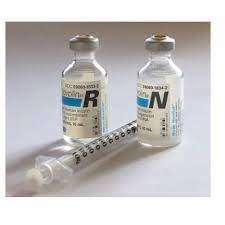
The use of insulin remains a cornerstone treatment for individuals who cannot achieve target glycemic control through oral medications alone. Tailoring insulin regimens facilitates better outcomes while minimizing side effects.
- Description of need: Insulin replaces or supplements endogenous production especially in advanced disease stages or specific types such as type 1 diabetes.
- Dose adjustment procedures: Individualized titration based on frequent blood sugar monitoring helps achieve optimal glycemic targets safely over time.
- Diverse delivery methods: Options include injections via syringes or pens and newer pump technologies providing continuous administration possibilities depending on patient preference and affordability considerations.
- Efficacy monitoring: Periodic HbA1c tests alongside daily self-monitoring offer feedback regarding therapy success guiding further adjustments if necessary.
LIFESTYLE MODIFICATION FOR PREDIABETES
The prediabetes stage indicates higher-than-normal blood glucose but not yet at diabetic levels. Intervening early with lifestyle changes can halt or reverse progression to type 2 diabetes.
- Spectrum of signs: Usually no clear symptoms but lab tests reveal elevated fasting glucose or impaired glucose tolerance.
- Evaluation methods: Oral glucose tolerance test (OGTT) or HbA1c help identify prediabetes status accurately.
- Lifestyle focus areas: Adopting a nutritious diet rich in fiber and whole grains, increasing physical activity aiming for at least 150 minutes weekly, reducing body weight if overweight are crucial steps.
- Addition of behavioral support: Counseling services may improve adherence to changes enhancing long-term benefits.
The window provided by prediabetes offers an excellent opportunity to implement changes that significantly reduce future diabetes risk without immediate use of medications.
DIABETIC NEUROPATHY MANAGEMENT
Nerve damage caused by prolonged high blood sugar levels is known as diabetic neuropathy. It predominantly affects the peripheral nerves and requires careful attention due to its impact on sensation and mobility.
- Causative factors: Extended hyperglycemia leads to nerve injury causing symptoms like numbness, tingling, pain, or weakness in limbs.
- Diagnosis process: Physical exam combined with nerve conduction studies help establish the extent of neuropathy.
- Treatment strategies: Strict glucose control slows progression; pain relief may involve medications like anticonvulsants or topical agents.
- Lifestyle measures: Foot care education and avoiding alcohol or smoking act as supportive measures preventing complications such as ulcers.
A comprehensive plan focusing on symptom relief alongside preventive tactics can enhance quality of life for those affected by diabetic neuropathy.
GESTATIONAL DIABETES CARE
Gestational diabetes arises during pregnancy when the body cannot produce enough insulin to regulate blood sugar levels adequately. Proper management protects both mother and baby from potential health issues.
- Symptoms and causes: Often asymptomatic but can include excessive thirst and frequent urination; caused by hormonal changes affecting insulin function during pregnancy.
- Screening: Blood glucose screening tests between 24-28 weeks of pregnancy help identify gestational diabetes early.
- Treatment approach: Emphasizes dietary control tailored to pregnancy needs, safe exercise routines, and occasionally medication if sugars remain high.
- Follow-up: Close monitoring throughout pregnancy with glucose checks ensures optimal outcomes for mother and child.
A multidisciplinary approach that balances nutrition, exercise, and medical supervision supports a healthy pregnancy despite gestational diabetes diagnosis.
TYPE 2 DIABETES MANAGEMENT
Managing type 2 diabetes effectively involves a combination of lifestyle adjustments and medical care to maintain healthy blood sugar levels. This chronic condition requires ongoing attention to prevent complications.
- Causes and symptoms: Symptoms may include increased thirst, frequent urination, fatigue, and blurred vision; causes often relate to insulin resistance and genetic factors.
- Diagnosis: Diagnosis is typically through blood tests such as fasting glucose or HbA1c levels indicating elevated blood sugar.
- Treatment options: Lifestyle modifications like balanced diet, regular physical activity, weight management, along with medications including oral hypoglycemics or insulin therapy.
- Monitoring: Regular self-monitoring of blood glucose and periodic doctor visits are essential for adjusting treatment plans.
With consistent management targeting both lifestyle and pharmacotherapy, individuals can lead healthy lives while minimizing the risks associated with type 2 diabetes.