
Dr R K Aran
About Me
Dr R K Aran
MD
Diabetologist
10 Years Experience
Biography
My Clinic
OPD Hours
| Monday | Morning | 10:00 AM | - | 02:00 PM |
| Evening | 06:00 PM | - | 09:00 PM | |
| Tuesday | Morning | 10:00 AM | - | 02:00 PM |
| Evening | 06:00 PM | - | 09:00 PM | |
| Wednesday | Morning | 10:00 AM | - | 02:00 PM |
| Evening | 06:00 PM | - | 09:00 PM | |
| Thursday | Morning | 10:00 AM | - | 02:00 PM |
| Evening | 06:00 PM | - | 09:00 PM | |
| Friday | Morning | 10:00 AM | - | 02:00 PM |
| Evening | 06:00 PM | - | 09:00 PM | |
| Saturday | Morning | 10:00 AM | - | 02:00 PM |
| Evening | 06:00 PM | - | 09:00 PM | |
| Sunday | Morning | 10:00 AM | - | 02:00 PM |
| Evening | 06:00 PM | - | 09:00 PM |
Treatments
Specialised care and treatments offered
DIABETES & HEART DISEASE RISK MANAGEMENT

A prevalent complication faced by individuals diagnosed with diabetes is an increased risk for heart disease; understanding this relationship provides insight into preventative measures one can adopt.
- Signs indicating possible heart issues may vary considerably from chest pains downplaying symptoms that might signal alarming events later on.
- Regular doctor visits establish systematic evaluation strategies combining concern regarding both conditions;< strong diagnostics also considers factors relating cholesterol levels directly linked cardiovascular strains . < aiatiivationsentary lifestyle increase susceptibility learning local history facilitates suitable approaches emphasizing how consistent activity curbs potential threats implanting awareness towards heart maintenance .< / ily < standpoints aligns progression through interconnected counseling informing patients about critical checkpoints extending beyond thyroid work ups appealing support networks encouraging better overall wellness incorporating essential advice into unique journeys towards optimal lifestyle choices .< / u datasets show depending upon regularity diligence combined offers best pathways sustainable health promoting longevity wellbeing every step remains vital conversations embarked instead lowering barriers negative associations feared blown hopes centered active preventive initiatives directed toward integrated continuity ensuring qualified oversight captures success across wider aspects engaged closely united joint efforts paving paths forward enlightening fortified lives filling gaps reinforcing triumph energy transcending limits enforcing resolutions crossed successes investigated unveiling promises fulfilled awareness radiating .
HYPOGLYCEMIA MANAGEMENT
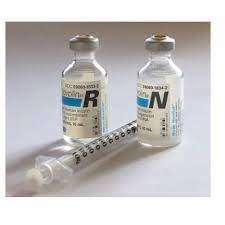
This condition occurs when your blood sugar drops too low, leading to various symptoms that require immediate attention. Understanding hypoglycemia is vital for individuals with diabetes who manage their conditions through medication.
- The main symptoms may include dizziness, shakiness, confusion, or irritability.
- A thorough assessment involving blood glucose testing confirms hypoglycemic events typically diagnosing this condition swiftly once symptoms appear.
- Treatment primarily involves consuming quick sources of glucose such as sugary snacks or drinks to elevate blood sugar levels promptly.
- Painful episodes teach patients valuable lessons on proactively managing their diet alongside timely medications; hence aligning lifestyle choices will greatly affect their experience.
- An educational focus ensures you learn warning signs enabling effective responses when low blood sugars occur.
Catching low blood sugars early complements comprehensive diabetic care plans reducing distressing situations while maintaining stability within daily routines.
DIABETIC RETINOPATHY
This eye disease is triggered by diabetes-induced damage to the blood vessels in the retina. It's important to be aware of its implications early on for better visual outcomes.
- The initial symptoms, such as blurred vision or spots in vision, often go unnoticed until significant damage has occurred.
- Routine eye examinations are critical for early diagnosis before severe effects develop.
- Treatment options include laser treatments or injections that aim to reduce swelling and prevent further complications.
- Patients should anticipate continuous surveillance post-treatment to ensure ongoing retinal health. This includes routine check-ups with an eye care specialist along with glucose monitoring strategies.
Being diligent about eye care plays a crucial role in mitigating risks associated with diabetic retinopathy. Early intervention leads to better preservation of vision thus enhancing overall quality of life people living with diabetes.
GESTATIONAL DIABETES CARE
This form of diabetes develops during pregnancy and typically resolves after giving birth. Early identification and management are key to ensuring the health of both mother and baby.
- The primary symptoms, often subtle, include increased thirst or excessive urination during pregnancy.
DIABETIC NEUROPATHY
This is a type of nerve damage that occurs due to high blood sugar levels over time. Managing diabetic neuropathy involves understanding its causes and how to alleviate symptoms effectively.
- The most common symptoms include numbness, tingling sensations, or pain in the extremities.
- Diagnosis may require neurological exams and sensory testing to assess nerve function.
- Treatment focuses on pain management, which can include medications, physical therapy, or lifestyle changes aimed at improving overall diabetic control.
- You can expect ongoing assessments to monitor nerve health and adjustments in therapy as required.
- A proactive approach to blood sugar control significantly lowers the risk of worsening neuropathy symptoms.
An appropriate treatment strategy can enhance quality of life for those affected by this condition.
TYPE 2 DIABETES MANAGEMENT
Type 2 diabetes is a chronic condition that affects the way your body metabolizes sugar (glucose), a vital source of fuel for your body. Understanding this condition is critical for effective long-term management.
- Symptoms can include increased thirst, frequent urination, hunger, and fatigue.
- Diagnosis typically involves blood tests to measure glucose levels, including fasting blood sugar and HbA1c tests.
- Treatment options may involve lifestyle modifications such as diet changes, regular exercise, and medications like metformin to help control blood sugar levels.
- Patients can expect a personalized management plan that may evolve over time based on their specific health needs.
- Monitoring is crucial; regular check-ups can help track progress and adjust treatments accordingly.
A comprehensive approach not only helps in managing blood sugar levels but also reduces the risk of complications associated with diabetes.