
Dr R B Gupta
About Me
Dr R B Gupta
MBBS
General Physician
10 Years Experience
Biography
My Clinic
OPD Hours
| Monday | Morning | 10:00 AM | - | 02:00 PM |
| Evening | 06:00 PM | - | 09:00 PM | |
| Tuesday | Morning | 10:00 AM | - | 02:00 PM |
| Evening | 06:00 PM | - | 09:00 PM | |
| Wednesday | Morning | 10:00 AM | - | 02:00 PM |
| Evening | 06:00 PM | - | 09:00 PM | |
| Thursday | Morning | 10:00 AM | - | 02:00 PM |
| Evening | 06:00 PM | - | 09:00 PM | |
| Friday | Morning | 10:00 AM | - | 02:00 PM |
| Evening | 06:00 PM | - | 09:00 PM | |
| Saturday | Morning | 10:00 AM | - | 02:00 PM |
| Evening | 06:00 PM | - | 09:00 PM | |
| Sunday | Morning | 10:00 AM | - | 02:00 PM |
| Evening | 06:00 PM | - | 09:00 PM |
Treatments
Specialised care and treatments offered
ANEMIA EVALUATION & MANAGEMENT
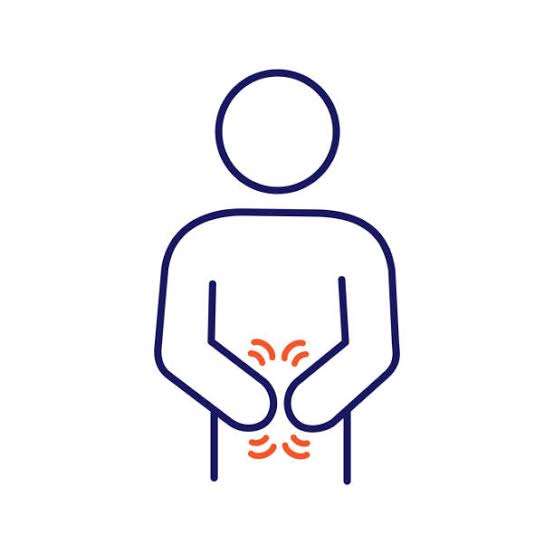
Anemia is a condition characterized by a reduced number of red blood cells or hemoglobin causing tiredness due to insufficient oxygen delivery throughout the body. Various types exist depending on underlying cause.
- Common Causes & Signs: Nutritional deficiencies (iron, vitamin B12), chronic disease; symptoms include fatigue, pallor, dizziness
- Diagnostic Approach: Complete blood count test identifies anemia type by measuring hemoglobin levels and red cell indices
- Treatment Strategies: Tailored according to cause - iron supplements for deficiency anemia or managing chronic illness accordingly
- Expected Outcomes & Follow-Up: Improvement usually seen within weeks with proper supplementation; ongoing evaluation ensures no recurrence
Early diagnosis combined with targeted therapy helps restore energy levels while preventing serious complications related to severe anemia
GASTROESOPHAGEAL REFLUX DISEASE (GERD) MANAGEMENT

This digestive disorder occurs when stomach acid flows back into the esophagus causing irritation. GERD can cause discomfort and impact eating habits if persistent.
- Main Symptoms & Causes: Heartburn, regurgitation after meals common; caused by lower esophageal sphincter dysfunction or hiatal hernia presence.
- The Diagnostic Process: Clinical evaluation usually sufficient; endoscopy performed if alarm symptoms or poor response to initial treatment exist.
- Treatment Methods: Lifestyle changes including weight loss, avoiding trigger foods; medications like proton pump inhibitors reduce acid production effectively.
- The importance of disease monitoring: Long-term follow-up prevents complications such as esophagitis or Barrett’s esophagus from developing further damage .
Proper adherence to therapy generally relieves symptoms significantly improving daily comfort
HYPOTHYROIDISM TREATMENT

An underactive thyroid gland leads to decreased production of thyroid hormones impacting metabolism. This condition can develop slowly over time affecting various body functions.
- Causal Factors & Symptoms: Autoimmune diseases are common causes; symptoms include fatigue, cold intolerance, weight gain, dry skin.
- How It's Diagnosed: Blood tests measuring TSH (thyroid-stimulating hormone) and thyroid hormone levels confirm diagnosis.
- Treatment Options: Daily oral synthetic thyroid hormone replacement restores normal hormone balance effectively.
- The Course & Monitoring: Lifelong therapy usually required with periodic lab work to ensure appropriate dosing adjustments over time.
Adequate treatment allows most patients to lead normal lives without significant limitations when regularly supervised by their physician.
CHRONIC OBSTRUCTIVE PULMONARY DISEASE (COPD) SUPPORT
COPD is a progressive lung disease that makes breathing difficult due to airflow obstruction. It primarily affects smokers but can also occur from long-term exposure to lung irritants.
- Symptoms & Causes: Persistent cough with mucus production, shortness of breath; caused mainly by tobacco smoke and environmental pollutants.
- Diagnostic Tests: Spirometry tests measure lung function; chest X-rays may be used to rule out other conditions.
- Treatment Strategies: Smoking cessation is critical; inhaled bronchodilators and corticosteroids help open airways and reduce inflammation.
- Lifestyle & Monitoring: Pulmonary rehabilitation exercises improve breathing efficiency; regular check-ups prevent exacerbations.
Living with COPD requires ongoing care but many individuals maintain good quality of life with appropriate interventions and support.
TYPE 2 DIABETES MELLITUS CARE

This metabolic disorder affects how the body processes glucose, resulting in elevated blood sugar levels. It predominantly occurs in adults but can affect younger people as well.
- Causes and Symptoms: Insulin resistance often caused by obesity, sedentary lifestyle; symptoms include increased thirst, frequent urination, fatigue.
- Diagnosis: Blood tests such as fasting glucose levels or HbA1c provide confirmation of diabetes status.
- Treatment Approaches: Combination of dietary changes focusing on carbohydrate control, regular exercise, oral hypoglycemics or insulin therapy based on disease severity.
- Ongoing Management: Regular monitoring of blood sugar levels and periodic medical reviews to adjust treatment plan accordingly.
A comprehensive approach can help manage diabetes effectively and reduce risk of long-term complications like neuropathy or kidney damage.
HYPERTENSION MANAGEMENT
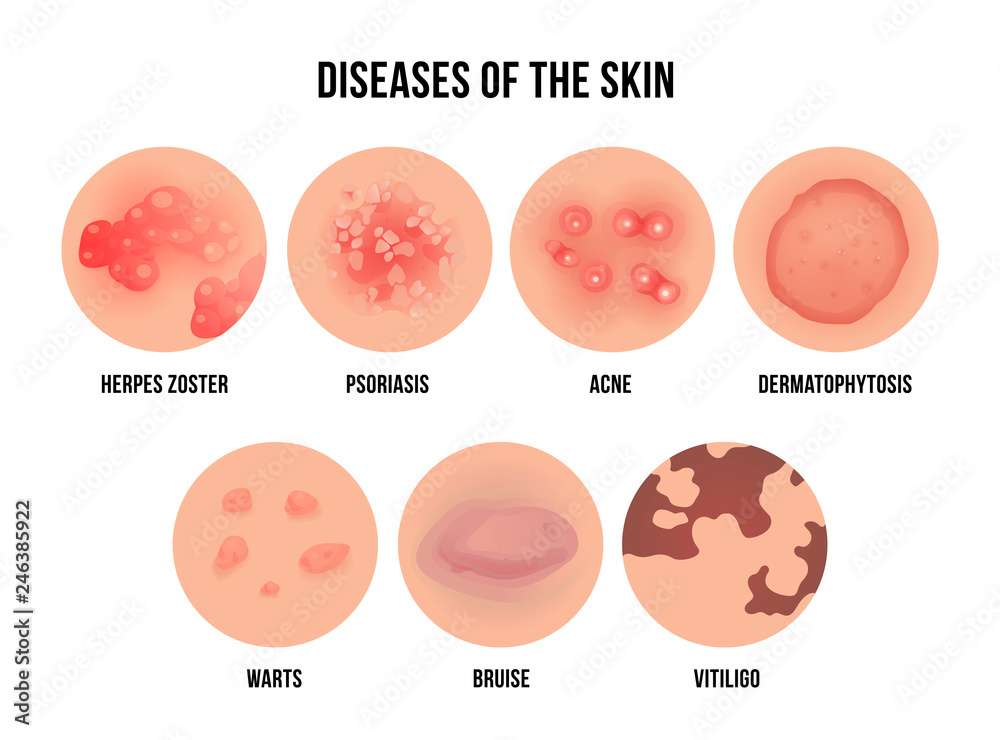
High blood pressure, or hypertension, is a common condition where the force of blood against artery walls is consistently too high. It often develops over many years and can lead to serious health issues if untreated.
- Symptoms and Causes: Often called the 'silent killer' because it may not present obvious symptoms; causes include genetics, poor diet, lack of exercise, and stress.
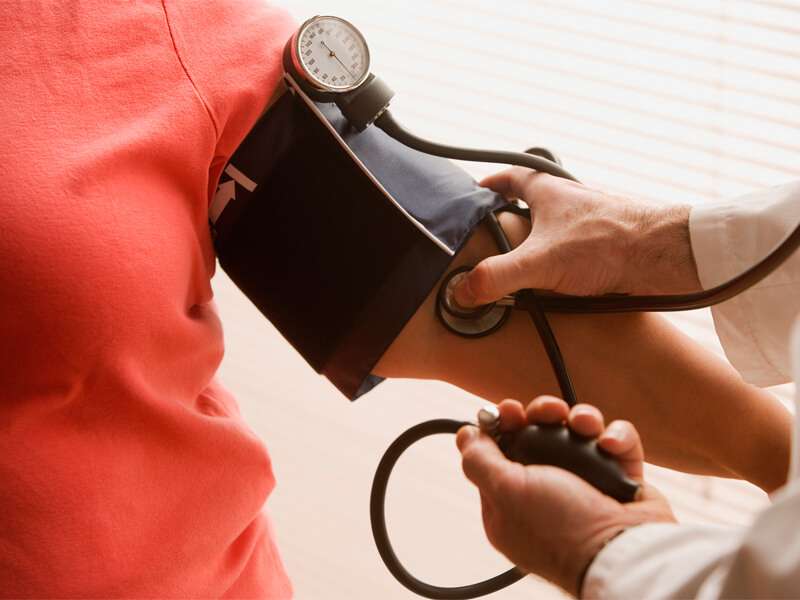
- Diagnosis: Regular blood pressure checks with a sphygmomanometer; readings above 130/80 mmHg typically indicate hypertension.
- Treatment Options: Lifestyle modifications such as reduced salt intake, increased physical activity, weight management, alongside medications like ACE inhibitors or beta-blockers as prescribed.
- Management: Continuous monitoring of blood pressure and adherence to treatment plans are essential to prevent complications like stroke or heart attack.
Early detection and consistent management can effectively control hypertension and improve quality of life.