
Dr Punit Nauwal
About Me
Dr Punit Nauwal
MD
Nephrologist
Biography
My Clinic
OPD Hours
| Monday | Morning | 10:00 AM | - | 02:00 PM |
| Evening | 06:00 PM | - | 09:00 PM | |
| Tuesday | Morning | 10:00 AM | - | 02:00 PM |
| Evening | 06:00 PM | - | 09:00 PM | |
| Wednesday | Morning | 10:00 AM | - | 02:00 PM |
| Evening | 06:00 PM | - | 09:00 PM | |
| Thursday | Morning | 10:00 AM | - | 02:00 PM |
| Evening | 06:00 PM | - | 09:00 PM | |
| Friday | Morning | 10:00 AM | - | 02:00 PM |
| Evening | 06:00 PM | - | 09:00 PM | |
| Saturday | Morning | 10:00 AM | - | 02:00 PM |
| Evening | 06:00 PM | - | 09:00 PM | |
| Sunday | Morning | 10:00 AM | - | 02:00 PM |
| Evening | 06:00 PM | - | 09:00 PM |
Treatments
Specialised care and treatments offered
GLOMERULONEPHRITIS TREATMENT
Glomerulonephritis encompasses diverse inflammatory conditions affecting glomeruli—the tiny filtering units within kidneys. Effective management hinges upon identifying underlying causes contributing towards inflammation manifested through symptoms varying intensity depending severity extent however diagnosed appropriately can yield positive prognosis following initiation appropriate protocols quickly leading resolution once established .
- Symptoms commonly emerge presenting combinations hypertension edema alterations urine output indicating potential issues requiring urgent attention whether chronic acute methodologies employed target differing issues observed respective situations reminds importance staying vigilant first signs onset occurring developing before reaching advanced stages prolonged duration without intervention deeply concerned risks involved experienced individuals lives affected long run .
- Diagnosis frequently entails conducting thorough physical exams laboratory assessments examining renal functions inflammatory markers possibly leveraging advanced imaging technologies confirm presence actual pathology advanced levels investigation requisite confirmation beforehand considering systemic diseases potentially triggering dialogues surrounding other internal organ involvement not limited solely kidneys themselves .
- Initial medicative approaches involving corticosteroids aimed reducing inflammation could extend longer-term therapies focusing controlling high-blood pressure promoting healthy behavior modifying diets essential addressing root causes though interventions may differ among varied subtypes seen rule-based applications directly linked improving overall clinical outcomes .
With proactive strategies combined with continuous monitoring following best practices learned observing experiences others successfully treated similar circumstances present ensures utmost care delivered simplifies complexity nature disorder faced generally optimizing journey healing peculiar nature undergoing always proves beneficial forward-moving actions taken timely manner relative success achieved lifetimes impacted greatly thereafter concluding intertwined processes culminating collaborative efforts amongst healthcare providers families alike involved every stage throughout course continue despite challenges arise ahead ultimately striving reach goals shared common benefit all parties engaged therefore emphasize working together managing diseases facing determined manner relates personal desires live healthier lives fullest potentials attained remaining space available vibrant future awaits everyone hopeful journey begun recently commenced pivotal moments witnessed magnificent strides made overcoming obstacles inevitably surface managing unpredictable situations throws way collectively empowered standing united front tackling adversities head held high pushing through rough patches carrying dreams while yearning brighter horizons surrounding every individual walking path differing uniquely around embraced unyielding spirits guiding evolving landscapes beckoning pursue dreams never lose sight unwavering commitment perseveres onward pursuit accomplishment realized aspirations come true sooner later .
KIDNEY TRANSPLANTATION

Kidney transplantation offers an essential solution for patients suffering from end-stage renal disease by replacing their failing kidneys with healthy ones from donors. This complex but rewarding procedure necessitates careful planning and consideration of various factors regarding donor availability and patient health metrics prior to transplanting an organ successfully into another body
- Disease progression often presents with significant fatigue, high blood pressure, and frequent infections among those waiting for transplants due to deteriorating function over time without adequate measures taken early on against further damage accumulating within their systems
- Comprehensive evaluations involving blood tests alongside imaging scans help ensure compatibility between recipient recipients receiving these gifts from living individuals/deceased sources alike better chances achieving desired long-term outcomes
- The surgical process typically requires hospitalization spanning several days post-op follow-up visits managed closely utilizing immunosuppressant medications aimed preventing rejection episodes
Successful transplantation restores not only filtration capabilities but contributes positively around overall quality living enjoying greater freedom lifestyle choices instead tethered limitations associated previous therapies endured .
KIDNEY STONE SURGERY

Surgical intervention for kidney stones becomes necessary when they are too large to pass naturally or cause severe pain or blockage. Procedures vary based on stone size and location but aim primarily at alleviating discomfort while restoring normal urinary function.
- Typical symptoms preceding surgery include intense back pain, hematuria, and nausea associated with stone movement.
- X-rays or CT scans assist in determining stone composition and size before deciding on surgical approaches such as ureteroscopy or lithotripsy.
- Surgery might involve breaking down stones using sound waves (lithotripsy) or direct removal through internal instruments (ureteroscopy).
- Post-operative recovery will require hydration strategies alongside possible dietary adjustments to prevent further stone formation in future encounters.
The effectiveness of these surgeries often results in significant relief from symptoms while facilitating quicker recovery than expected in many cases.
KIDNEY BIOPSY

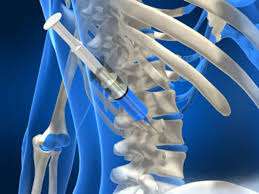
A kidney biopsy is a medical procedure that involves taking a small sample of kidney tissue for examination under a microscope. This diagnostic tool is critical in evaluating various kidney conditions, including inflammation or scarring within the kidneys.
- Symptoms prompting this procedure may include unexplainable proteinuria or hematuria detected during routine testing.
- The diagnostic process typically begins with imaging studies like an ultrasound followed by laboratory tests assessing renal function.
- A needle guided by imaging techniques extracts kidney tissue; patients usually receive local anesthesia for comfort during this minimally invasive procedure.
- Post-procedure care includes monitoring at the facility for any signs of complications such as bleeding or infection.
- The result helps guide treatment decisions tailored more closely to individual pathology observed in tissues sampled.
This essential test provides clarity on underlying issues affecting kidney health and informs effective treatment plans moving forward.
PERITONEAL DIALYSIS

Peritoneal dialysis is an alternative renal replacement therapy that uses the lining of the abdominal cavity as a filter for removing waste products from the blood. It offers flexibility for patients seeking independence from traditional hemodialysis schedules.
- The most common symptoms necessitating this treatment include feelings of nausea, decreased appetite, and fluid retention.
- Diagnosis generally involves blood tests for kidney function along with imaging studies to assess abdominal health.
- This method requires inserting a catheter into the abdomen through which a sterile solution is introduced; after soaking up toxins, it is drained away.
- Patients undergo training on how to manage their own treatments at home safely and effectively.
- A supportive environment can significantly enhance adherence to this self-care regimen.
This innovative approach allows greater control over daily activities while ensuring adequate waste removal from the body.
HEMODIALYSIS

Hemodialysis is a treatment for serious kidney failure that uses a machine to filter waste and excess fluids from the blood. This process aims to maintain the delicate balance of electrolytes and remove toxins that kidneys can no longer handle effectively.
- Common symptoms that may indicate kidney failure include fatigue, swelling, and changes in urination patterns.
- The diagnosis involves tests such as blood urea nitrogen (BUN) and creatinine levels, alongside urine tests. An ultrasound or CT scan may be used to visualize kidneys.
- Treatment typically occurs three times a week, where blood is drawn from the body, cleaned through a dialyzer, and returned via tubing.
- Patients should expect some dietary restrictions related to potassium and phosphorus intake during treatment.
- Emotional support and education are crucial components while adjusting to life with hemodialysis.
This procedure plays a vital role in managing kidney failure and enhancing patients' quality of life.