
DR Puneet Gupta
About Me
DR Puneet Gupta
MS
Orthopaedic Surgeons
10 Years Experience
Biography
My Clinic
OPD Hours
| Monday | Morning | 10:00 AM | - | 02:00 PM |
| Evening | 06:00 PM | - | 09:00 PM | |
| Tuesday | Morning | 10:00 AM | - | 02:00 PM |
| Evening | 06:00 PM | - | 09:00 PM | |
| Wednesday | Morning | 10:00 AM | - | 02:00 PM |
| Evening | 06:00 PM | - | 09:00 PM | |
| Thursday | Morning | 10:00 AM | - | 02:00 PM |
| Evening | 06:00 PM | - | 09:00 PM | |
| Friday | Morning | 10:00 AM | - | 02:00 PM |
| Evening | 06:00 PM | - | 09:00 PM | |
| Saturday | Morning | 10:00 AM | - | 02:00 PM |
| Evening | 06:00 PM | - | 09:00 PM | |
| Sunday | Morning | 10:00 AM | - | 02:00 PM |
| Evening | 06:00 PM | - | 09:00 PM |
Treatments
Specialised care and treatments offered
TENDON REPAIR SURGERY
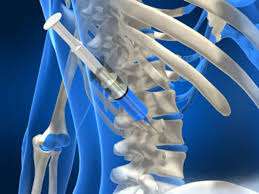
Tendon repair surgery is performed when tendons become torn due either traumatic injuries—such as sports-related incidents—or degenerative conditions linked with aging processes affecting tendon integrity over time. Proper treatment restores functionality lost due compromised tendon structures specifically found within areas like shoulders (rotator cuff), knees (patellar tendon), etc., pivotal towards everyday movements impacting overall quality-of-life pursuits heavily reliant upon correct musculoskeletal alignment functionality paradigm encompassing motion processes..
- Some symptomatic manifestations accompanying torn tendons comprise considerable weakness along direct muscle groups engaged during active use coupled with possible tenderness noting localized inflammation accompanied throughout surface regions nearby indicating irritation perhaps indicative upon palpation experiences.
- In assessing damages sustained diagnostic imaging elements—including MRI studies—often assist medical professionals guiding rectitude strategies implemented eventually facilitating improved outcomes following procedures undertaken promptly executed thereafter within reasonable timelines thereafter severities encountered particular cases experienced recently encountered routinely faced highlighting crucial patient engagement necessary adhering existing protocols required managing supportive care effectively!
Overall positively-relevant postoperative sentiments expressed regarding successful recoveries manifest quite frequently hence efficiently therapeutically undertaken rendered efficaciously provide new opportunities engaging consciously once again enjoying previously cherished hobbies/exercise programs encouraging individual rehabilitative measures taken seriously!
ANKLE FRACTURE REPAIR
Ankle fracture repair addresses breaks in one or more bones surrounding the ankle joint. This type of injury often occurs due to accidents during sports activities or missteps while walking, leading to significant discomfort and instability in movement.
- Symptoms include swelling, immediate pain upon bearing weight, bruising around the impacted area, and visible deformity in some cases.
- A detailed diagnosis involves clinical evaluation alongside X-ray imaging techniques that confirm fracture types such as lateral malleolus or medial malleolus fractures.
- Initial management may start conservatively with rest, ice application, immobilization using casts/splints; however operative intervention via internal fixation may be required if fractures are displaced.
- Surgical options focus on aligning bones properly using metal plates/screws allowing adequate healing time before rehabilitation begins focusing on restoring mobility through physiotherapy services offered post-op completion. / ul >
Ankle fracture repair aims toward regaining full functionality while minimizing long-term complications associated with improper healing pathways arising from untreated injuries.
SHOULDER DISLOCATION TREATMENT

Treatment for shoulder dislocation focuses on restoring normal position to the humeral head within the shoulder socket. This common injury frequently occurs during sports activities or falls where the arm is forcefully extended away from the body.
- The primary symptom of dislocation includes visible deformity along with intense shoulder pain and immobility of the arm post-injury.
- A physician will usually diagnose this injury through physical evaluations followed by imaging techniques like X-rays for confirmation and assessment of any additional damage such as fractures.
- Treatment generally entails a closed reduction technique that repositions the dislocated joint using carefully applied pressure while under sedation.
- Rehabilitation then focuses on regaining strength and flexibility through specialized physical therapy tailored for shoulder joints specifically.
Successful treatment enables individuals to return to their daily activities with reduced risk of future dislocations.
SPINAL FUSION SURGERY

Spinal fusion surgery is a complex procedure aimed at treating debilitating back pain caused by certain spinal conditions. The objective is to permanently connect two or more vertebrae in the spine to prevent movement at that segment.
- This may be indicated for conditions like degenerative disc disease, spondylolisthesis, or spinal instability resulting from trauma or tumors.
- Common symptoms necessitating this procedure include severe persistent back pain radiating into arms or legs and reduced mobility.
- A comprehensive diagnostic workup usually includes MRIs or CT scans to assess structural integrity and guide treatment plans.
- Treatment involves harvesting bone grafts from elsewhere in the body or utilizing synthetic materials to promote healing between vertebrae over time.
- The recovery process varies but typically includes an initial period of restricted activity followed by gradual rehabilitation focusing on core strengthening exercises.
The goal of spinal fusion is not only to relieve pain but also to restore functional stability in individuals suffering from significant back disorders.
KNEE ARTHROSCOPY

Knee arthroscopy is a minimally invasive surgical technique that allows orthopedic surgeons to visualize and treat problems within the knee joint. Commonly performed for various knee conditions, it usually results in quicker recovery times compared to open surgery.
- This procedure is commonly indicated for diagnosing conditions causing swelling, pain, or instability in the knee.
- Typical symptoms leading to this procedure include persistent pain during activity and swelling after exercise.
- Diagnosis often relies on a physician's assessment supplemented by MRI or ultrasound imaging techniques.
- Treatment options might involve removing loose cartilage or repairing ligament tears using small instruments inserted through tiny incisions.
- Postoperative care includes physical therapy aimed at restoring strength and flexibility without excessive strain on the healing joint.
Knee arthroscopy can greatly improve joint function and reduce disability from knee-related injuries or conditions.
HIP REPLACEMENT SURGERY

Hip replacement surgery is a procedure designed to alleviate pain and improve function in patients with severe hip damage. This condition often arises from arthritis, fractures, or degenerative diseases.
- Symptoms may include persistent pain, difficulty walking, and reduced range of motion.
- Diagnosis typically involves a thorough physical examination and imaging tests such as X-rays.
- Treatment options focus on relieving symptoms; non-surgical options include physical therapy, medications, and injections.
- If these measures are ineffective, surgical intervention might be necessary to replace the damaged joint with a prosthetic implant.
- Patients can expect significant pain relief and improved mobility post-surgery, though recovery will require rehabilitation efforts.
The results of hip replacement surgery generally lead to enhanced quality of life for those affected by chronic hip issues.