
Dr Puneet Dayal
About Me
Dr Puneet Dayal
MBBS
General Physician
10 Years Experience
Biography
My Clinic
OPD Hours
| Monday | Morning | 10:00 AM | - | 02:00 PM |
| Evening | 06:00 PM | - | 09:00 PM | |
| Tuesday | Morning | 10:00 AM | - | 02:00 PM |
| Evening | 06:00 PM | - | 09:00 PM | |
| Wednesday | Morning | 10:00 AM | - | 02:00 PM |
| Evening | 06:00 PM | - | 09:00 PM | |
| Thursday | Morning | 10:00 AM | - | 02:00 PM |
| Evening | 06:00 PM | - | 09:00 PM | |
| Friday | Morning | 10:00 AM | - | 02:00 PM |
| Evening | 06:00 PM | - | 09:00 PM | |
| Saturday | Morning | 10:00 AM | - | 02:00 PM |
| Evening | 06:00 PM | - | 09:00 PM | |
| Sunday | Morning | 10:00 AM | - | 02:00 PM |
| Evening | 06:00 PM | - | 09:00 PM |
Treatments
Specialised care and treatments offered
ANEMIA
Anemia manifests as a deficiency in red blood cells leading to reduced oxygen delivery throughout the body. This prevalent condition has various underlying causes ranging from nutritional deficiencies to chronic diseases affecting red cell production indirectly over time.
- Symptoms : Patients typically report fatigue & weakness alongside pale skin color indicative traditionally linked toward anemia's effect upon hemoglobin levels within circulation .
- Causes : Various contributors exist including iron-poor diets , vitamin B12 deficiencies , chronic bleeding states found periodically among menstruating women etc .
- Diagnosis : Blood tests measure hemoglobin concentration along with complete blood counts revealing further insights pertaining toward underlying triggers prompting abnormal findings observed clinically .
- Treatment/Management : Treatment primarily focuses around supplementation aimed at correcting nutrient deficiencies potentially coupled together alongside dietary counseling strategies promoting healthier food choices enhancing nutrient intakes .
Regular follow-ups ensure monitoring hemoglobin levels adjusting treatments whenever necessary guiding recovery towards balanced physiological functioning returning vitality restored once again! < p/>
DIABETES MELLITUS

Diabetes mellitus refers to a group of diseases resulting in excess sugar levels in the blood due to insulin resistance (Type 2) or insufficient insulin production (Type 1). It requires long-term management to prevent serious health complications.
- Symptoms : Increased thirst (polydipsia), frequent urination (polyuria), extreme fatigue & blurred vision; some notice unexplained weight loss as well.
- Causes : Risk factors encompass genetics alongside lifestyle choices—obesity & sedentary habits exacerbate Type 2 diabetes incidence.
- Diagnosis : Blood tests including fasting glucose levels aid diagnosis along with A1C testing informing doctors about long-term glucose control status.
- Treatment/Management : Lifestyle adjustments remain foundational—healthy eating patterns combined with regular exercise; medications covering oral hypoglycemics & insulin therapy assist significantly based upon each patient’s needs.
- Expectations : Achieving stable blood sugar levels enables effective symptom management while lowering risks tied to diabetes-related conditions such as heart disease & nerve damage.
Education plays an integral role in navigating daily self-care strategies geared toward achieving optimal overall health outcomes related to living well with diabetes.
PNEUMONIA

Pneumonia is a lung infection that inflames air sacs in one or both lungs. This condition can result from viruses, bacteria, or fungi and varies significantly in severity depending on its cause.
- Symptoms: Common symptoms include cough (which may produce phlegm), fever or chills, shortness of breath, fatigue, chest pain when breathing deeply or coughing.
- Causes: Bacterial pneumonia often follows a cold or flu while viral pneumonia stems directly from viral infections. Fungal species also contribute to less common forms of pneumonia based on environmental exposure.
- Diagnosis: Diagnosis includes physical exams focusing on lung sounds; imaging tests such as chest X-rays confirm pneumonia's presence alongside sputum tests if bacterial origin is suspected.
INFLUENZA
The influenza virus causes an infectious respiratory illness characterized by sudden onset of fever and body aches. While it can affect anyone, certain populations are at higher risk for complications.
- Symptoms: Classic indicators are high fever, chills, muscle aches, coughs, fatigue, sore throat, and sometimes gastrointestinal upset like vomiting or diarrhea.
- Causes: The virus spreads primarily through respiratory droplets from coughs or sneezes of infected individuals or by touching contaminated surfaces.
- Diagnosis: Diagnosis typically involves assessing symptoms; rapid tests can confirm influenza during peak seasons if needed.
- Treatment/Management: Antiviral medications may reduce severity; supportive care like rest and fluids remains crucial for recovery. Vaccination is essential for prevention each flu season.
Elderly patients or those with underlying conditions should seek immediate medical attention to avoid severe complications associated with influenza infection.
ACUTE GASTROENTERITIS

Acute gastroenteritis is an inflammation of the stomach and intestines typically caused by viral infections or foodborne pathogens. Symptoms usually appear suddenly and can be distressing.
- Symptoms: Common signs include diarrhea, vomiting, abdominal cramps, fever, and nausea.
- Causes: This condition often results from consuming contaminated food or water or through close contact with infected individuals.
- Diagnosis: Based on patient history and symptom evaluation; stool tests may be conducted if necessary for severe cases.
- Treatment/Management: Focuses on hydration to prevent dehydration; over-the-counter medications might relieve symptoms. In severe cases, medical attention may be required for intravenous fluids.
- Expectations: Most individuals recover completely within a few days with appropriate care at home.
A prompt response to symptoms greatly improves recovery outcomes while reducing the risk of complications associated with dehydration.
HYPERTENSION
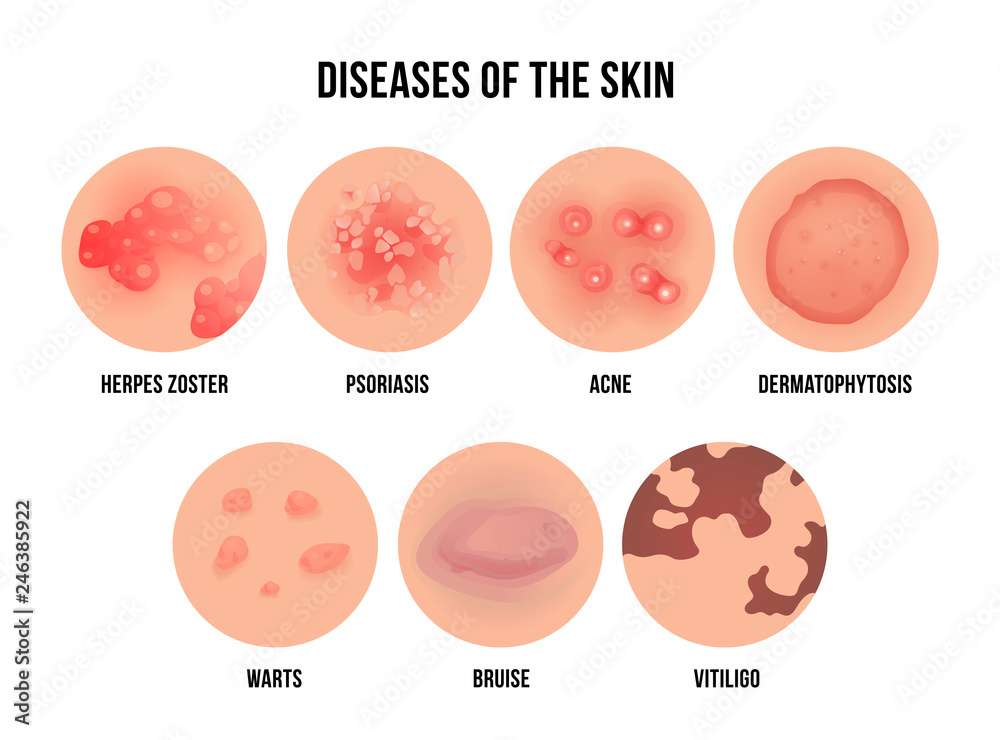
Hypertension, or high blood pressure, is a common condition that occurs when the force of the blood against the artery walls is consistently too high. Over time, uncontrolled hypertension can lead to serious health issues like heart disease and stroke.
- Symptoms: Often called the 'silent killer,' many people may not experience obvious symptoms, but some may suffer from headaches, dizziness, or nosebleeds.
- Causes: Key factors include genetic predisposition, poor diet (high in salt), obesity, lack of physical activity, and chronic stress.
- Diagnosis: Blood pressure readings taken during routine check-ups can help identify hypertension. Regular monitoring is crucial.
- Treatment/Management: Options include lifestyle changes such as diet modification, increased exercise, and medications like diuretics or ACE inhibitors as prescribed.
- Expectations: With proper management and treatment adherence, most individuals can control their blood pressure effectively.
Understanding hypertension allows individuals to take proactive steps in managing their health and reducing risks associated with this condition.