
Dr Priya Karnik
About Me
Dr Priya Karnik
General Physician
Biography
My Clinic
OPD Hours
Treatments
Specialised care and treatments offered
ALLERGY TESTING
Allergies occur when the immune system reacts adversely to substances called allergens. Identifying specific allergens can aid in avoiding triggers that result in uncomfortable allergic reactions or more severe responses like anaphylaxis.
- Symptoms vary widely including sneezing, itching eyes/nose/throat among others depending on the allergen involved.
- Diagnosis often entails skin tests or blood tests measuring IgE antibodies specifically related any identified trigger.
- Treatment ranges from avoidance strategies targeting known triggers while sometimes requiring antihistamines or other prescription medications intended alleviate severe symptoms arising unexpectedly.
- Patients should engage closely with their healthcare providers regarding ongoing allergies keeping comprehensive lists updated formulating best ways manage exposures adequately so they don't hinder daily life
- Properly managed allergies result improved quality life significantly even amidst various environmental challenges encountered routinely
Education around allergy management through proactive efforts empowers patients navigate complexities effectively deal situations surrounding their conditions confidently .
PREVENTIVE HEALTH CHECKUPS

Regular preventive health checkups are fundamental for early detection of potential health issues before they become serious. These visits serve as an opportunity for personalized health assessments tailored to individual risk factors.
- No visible symptoms might prompt an appointment; hence these evaluations are critical for maintaining good health proactively rather than reactively addressing illnesses later on
CHOLESTEROL MANAGEMENT
Managing cholesterol levels is crucial for heart health. High cholesterol contributes to an increased risk of heart disease and stroke. Awareness about one's cholesterol numbers allows for timely intervention.
- Individuals may experience no symptoms; thus regular screenings are essential especially if there’s a family history of heart disease or other risk factors present.
- Lipid panels help diagnose high cholesterol levels by measuring different types including LDL (bad) cholesterol and HDL (good) cholesterol.
- Treatment strategies often involve dietary changes aimed at reducing saturated fats alongside medications such as statins when lifestyle modifications aren't enough alone.
- Monitoring cholesterol levels helps gauge progress toward achieving healthy targets effectively over time.
- The goal of therapy is not only lowering numbers but also improving overall cardiovascular health through informed choices alongside prescribed therapies.
Sustainable lifestyle adjustments coupled with regular monitoring significantly contribute to better heart health outcomes over time
ASTHMA CONTROL
Asthma is a chronic respiratory condition that causes inflammation and narrowing of the airways, leading to difficulty in breathing. Understanding this condition is key for effective management and prevention of exacerbations.
- Typical symptoms include wheezing, coughing, chest tightness, and shortness of breath particularly during exercise or at night.
- The diagnosis usually involves a detailed medical history review along with lung function tests like spirometry to assess airway obstruction.
- Treatment focuses on avoiding triggers, utilizing inhalers (both rescue and maintenance), and sometimes oral medications for long-term control.
- Consistent follow-up care helps in tweaking management plans based on individual response to treatment.
- A well-managed asthma plan enables patients to participate fully in daily activities without debilitating symptoms interfering.
Coping strategies combined with appropriate medical care enable those suffering from asthma to live healthier lives free from significant limitations.
DIABETES SCREENING

Diabetes is a chronic condition characterized by elevated blood sugar levels due to insulin resistance or inadequate insulin production. Early detection plays a vital role in effectively managing the disease.
- Symptoms may include increased thirst, frequent urination, fatigue, and blurred vision.
- A diabetes diagnosis is usually confirmed through fasting blood sugar tests or hemoglobin A1c tests during routine screenings.
- Management includes lifestyle changes such as a balanced diet and regular physical activity, along with glucose monitoring and possible medication use.
- Patients should regularly consult healthcare providers to monitor their condition closely and adjust their treatment plans as needed.
- By adhering to management strategies, individuals with diabetes can lead normal lives while minimizing complications associated with the disease.
A proactive approach in screening can lead to better outcomes in diabetes management and overall well-being.
HYPERTENSION MANAGEMENT
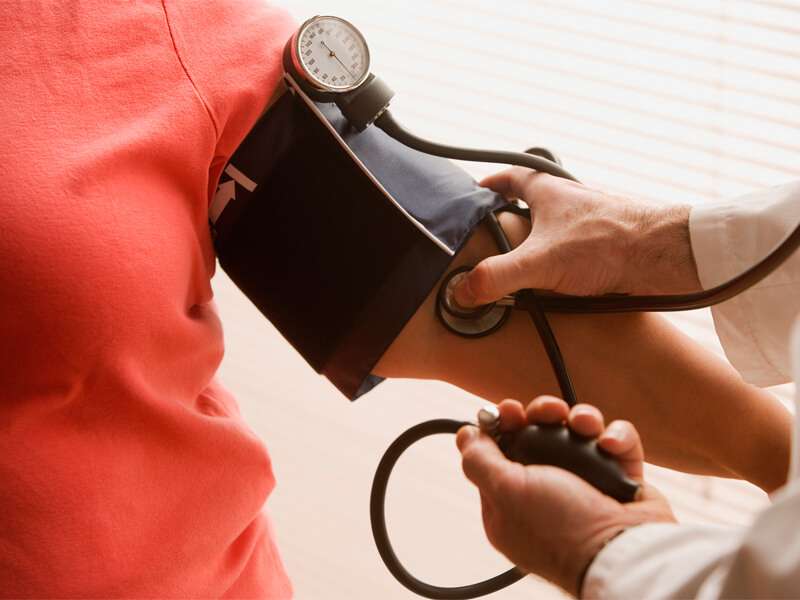
Hypertension, or high blood pressure, is a common condition that can lead to serious health issues if left unmanaged. It often develops over many years and may not show obvious symptoms until major complications arise.
- Common symptoms of hypertension may include headaches, shortness of breath, and nosebleeds, but many individuals remain asymptomatic.
- Diagnosis typically involves measuring blood pressure readings during routine check-ups or using at-home monitors.
- Treatment may include lifestyle modifications such as a healthy diet and regular exercise, along with medications if necessary.
- Regular monitoring is crucial to assess the effectiveness of the treatment plan and make adjustments when needed.
- Patients can expect ongoing support and education about maintaining healthy blood pressure levels through lifestyle changes and medication adherence.
Early detection and proactive management of hypertension are essential for reducing risks associated with cardiovascular diseases.