
Dr Prity Ahuja
About Me
Dr Prity Ahuja
MBBS
General Physician
10 Years Experience
Biography
My Clinic
OPD Hours
| Monday | Morning | 10:00 AM | - | 02:00 PM |
| Evening | 06:00 PM | - | 09:00 PM | |
| Tuesday | Morning | 10:00 AM | - | 02:00 PM |
| Evening | 06:00 PM | - | 09:00 PM | |
| Wednesday | Morning | 10:00 AM | - | 02:00 PM |
| Evening | 06:00 PM | - | 09:00 PM | |
| Thursday | Morning | 10:00 AM | - | 02:00 PM |
| Evening | 06:00 PM | - | 09:00 PM | |
| Friday | Morning | 10:00 AM | - | 02:00 PM |
| Evening | 06:00 PM | - | 09:00 PM | |
| Saturday | Morning | 10:00 AM | - | 02:00 PM |
| Evening | 06:00 PM | - | 09:00 PM | |
| Sunday | Morning | 10:00 AM | - | 02:00 PM |
| Evening | 06:00 PM | - | 09:00 PM |
Treatments
Specialised care and treatments offered
IRON DEFICIENCY ANEMIA CORRECTION
Anemia due to lack of iron results in decreased oxygen delivery throughout the body causing fatigue and weakness. Identifying this condition ensures timely restoration of normal iron levels for improved vitality.
- Causes & manifestations: Poor diet, chronic bleeding leading to pallor, dizziness, rapid heartbeat.
- Diagnostic procedures: Blood tests showing low hemoglobin concentration with confirmatory serum ferritin levels.
- Therapeutic measures: Oral iron supplements combined with dietary advice emphasizing iron-rich foods; in severe cases intravenous administration may be necessary.
- Monitoring response: Periodic lab evaluations track improvement enabling adjustments preventing relapse.
Treating iron deficiency anemia restores energy levels allowing patients to resume normal activities effectively without undue tiredness or weakness episodes.
GASTROESOPHAGEAL REFLUX DISEASE (GERD) THERAPY

This digestive disorder involves acid from the stomach flowing back into the esophagus causing discomfort. Addressing GERD is crucial for avoiding esophageal damage over time.
- Typical signs & triggers: Heartburn sensation after meals or when lying down often worsened by spicy foods or obesity.
- Diagnostic evaluation: Primarily clinical assessment supported by endoscopy if alarming symptoms arise.
- Treatment approach: Lifestyle adjustments such as elevation of head during sleep alongside antacids, H2 blockers or proton pump inhibitors prescribed medically.
- Follow-up care: Monitoring symptom recurrence enables modification of therapy minimizing risk of complications like Barrett's esophagus.
Controlling acid reflux improves digestion comfort while protecting the mucosal lining ensuring overall wellbeing.
CHRONIC OBSTRUCTIVE PULMONARY DISEASE (COPD) MANAGEMENT

This progressive lung disease causes airflow blockage making breathing difficult. Early diagnosis coupled with appropriate therapy slows progression and improves daily functioning.
- Main causes & signs:A history of smoking or environmental exposure leading to shortness of breath, chronic cough with mucus production.
- Evidential diagnosis tools:Spirometry tests assess lung function; imaging assists in evaluating severity.
- Treatment strategies:Lifestyle changes including smoking cessation; bronchodilators; corticosteroids; oxygen therapy in advanced stages.
- Disease monitoring:A regular review helps adjust treatments and manage exacerbations promptly for better quality of life.
The focus remains on symptom relief while maximizing lung capacity over time through tailored interventions targeting each patient’s unique needs.
ACUTE RESPIRATORY INFECTION TREATMENT
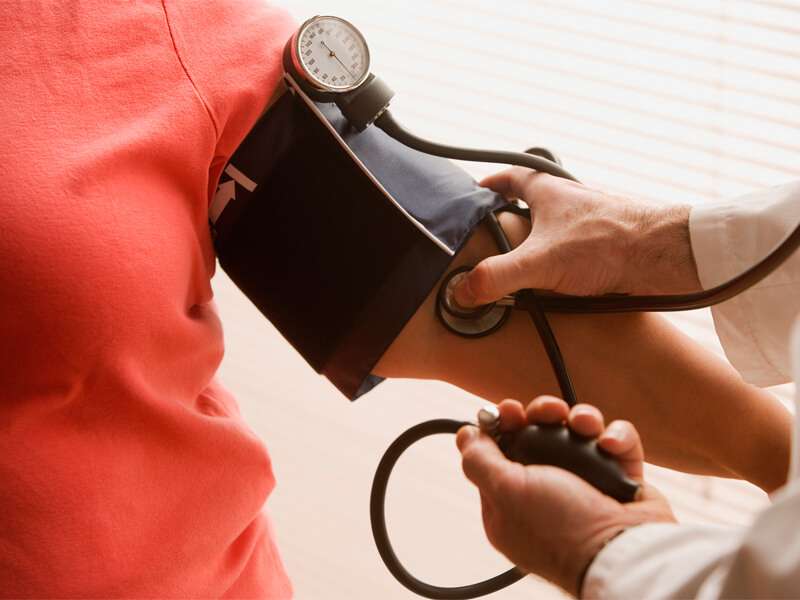
Infections affecting the upper or lower respiratory tract are frequent but must be treated properly to avoid escalation. Early intervention leads to faster recovery and fewer complications.
- Causative agents & symptoms: Viral or bacterial pathogens causing cough, sore throat, fever, congestion, breathlessness.
- Diagnosis: Clinical examination supplemented by chest X-rays or sputum analysis when indicated.
- Treatment methods: Supportive care includes rest, hydration; antibiotics only if bacterial infection is confirmed; antivirals in select cases.
- Prognosis & prevention: Most resolve within weeks; vaccines such as influenza shot recommended for prevention of certain infections.
Sensible treatment choices reduce disease burden and promote better respiratory health outcomes quickly and effectively.
DIABETES MELLITUS TYPE 2 CARE

Type 2 diabetes affects how your body metabolizes glucose, leading to elevated blood sugar levels that require vigilant management. Timely care helps prevent severe complications.
- Causes and symptoms: Insulin resistance often linked with obesity; symptoms include frequent urination, fatigue, increased thirst.
- Diagnostic methods: Blood tests such as fasting glucose and HbA1c levels confirm diagnosis.
- Treatment plan: Combines dietary modifications, physical activity, oral hypoglycemics, or insulin therapy as needed.
- Monitoring: Regular check-ups for blood sugar control to minimize risks like neuropathy or cardiovascular disease.
A comprehensive approach ensures better quality of life by controlling symptoms and preventing long-term damage from diabetes.
HYPERTENSION MANAGEMENT

High blood pressure is a common yet serious condition that if left untreated can lead to heart disease and stroke. Understanding how to control it can significantly improve your long-term health.
- Symptoms and causes: Often called the "silent killer" because it may have no symptoms; caused by factors like genetics, diet, stress, and inactivity.
- Diagnosis: Regular blood pressure measurements using a sphygmomanometer during clinical visits.
- Treatment options: Lifestyle changes such as diet and exercise, along with prescribed medications to manage blood pressure.
- Management: Ongoing monitoring and adherence to therapy to prevent complications like kidney damage or heart failure.
Proper management of hypertension helps maintain cardiovascular health and reduces risks associated with uncontrolled blood pressure.