Dr Prem Chand Kal

Dr Prem Chand Kal

MS
Orthopaedic Surgeons
5 205 ratings

About Me

Dr Prem Chand Kal

MS
Orthopaedic Surgeons
10 Years Experience

Biography

Dr. Prem Chand Kal is a highly skilled and compassionate orthopaedic surgeon with over 10 years of experience dedicated to helping patients regain mobility and improve their quality of life. With a Master of Surgery (MS) degree specializing in orthopaedics, Dr. Kal has developed a deep understanding of the musculoskeletal system, enabling him to diagnose, treat, and manage a wide range of bone, joint, muscle, and ligament conditions. Throughout his decade-long career, Dr. Kal has successfully treated patients of all ages facing issues such as fractures, arthritis, sports injuries, spine problems, and congenital deformities. His approach is centered around personalized care, ensuring that each patient receives treatment tailored specifically to their unique needs and lifestyle. Whether it’s through conservative management, advanced surgical techniques, or rehabilitation plans, Dr. Kal works closely with his patients to develop the most effective and least invasive treatment options available. What sets Dr. Kal apart is not only his technical expertise but also his warm and approachable demeanor. He believes in open communication and takes the time to listen carefully to patients’ concerns, answer their questions thoroughly, and educate them about their condition and treatment process. This patient-centered approach helps reduce anxiety and builds trust, allowing patients to feel confident and supported throughout their recovery journey. Dr. Kal stays updated with the latest advances in orthopaedic medicine and surgery by regularly participating in medical conferences and continuing education programs. He integrates cutting-edge technology and evidence-based practices into his treatments to ensure the highest standard of care. His proficiency ranges from minimally invasive arthroscopic surgeries to complex joint replacements and fracture fixations. Outside the clinical setting, Dr. Kal is known for his dedication to community health and often participates in outreach programs aimed at promoting bone health and injury prevention. His commitment to his patients goes beyond the operating room, as he guides them through rehabilitation and lifestyle modifications to maintain long-term joint health and mobility. Patients seeking an experienced, trustworthy orthopaedic surgeon who combines expert knowledge with empathetic care will find an ideal partner in Dr. Prem Chand Kal. His goal is to help every patient move freely and live life to the fullest with strong, healthy bones and joints. Whether recovering from injury or managing chronic conditions, Dr. Kal provides comprehensive support at every step toward improved musculoskeletal health.

My Clinic

OPD Hours

Monday Morning 10:00 AM - 02:00 PM
Evening 06:00 PM - 09:00 PM
Tuesday Morning 10:00 AM - 02:00 PM
Evening 06:00 PM - 09:00 PM
Wednesday Morning 10:00 AM - 02:00 PM
Evening 06:00 PM - 09:00 PM
Thursday Morning 10:00 AM - 02:00 PM
Evening 06:00 PM - 09:00 PM
Friday Morning 10:00 AM - 02:00 PM
Evening 06:00 PM - 09:00 PM
Saturday Morning 10:00 AM - 02:00 PM
Evening 06:00 PM - 09:00 PM
Sunday Morning 10:00 AM - 02:00 PM
Evening 06:00 PM - 09:00 PM

Treatments

Specialised care and treatments offered

PLANTAR FASCIITIS
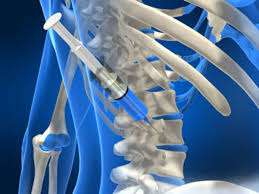
Plantar Fasciitis

This common foot ailment arises due to plantar fascia inflammation connecting heel bone to toes causing severe heel pain particularly after long periods of rest...

CARPAL TUNNEL SYNDROME
Carpal Tunnel Syndrome

This condition results from compression of the median nerve within the carpal tunnel of the wrist. Symptoms often include tingling sensations, numbness in fingers, especially at night or after prolonged hand use...

HERNIATED DISC

Herniated Disc

A herniated disc occurs when the gelatinous center of an intervertebral disc protrudes through a tear in its outer shell. This can lead to nerve compression causing significant discomfort in the back or limbs...

TENDINITIS

Tendinitis

Tendinitis refers to inflammation or irritation of a tendon due to overuse or injury. It most commonly affects areas such as the elbow (tennis elbow), knee (jumper's knee), or shoulder.

  • This condition typically presents with localized pain and tenderness around the affected tendon during movement.
  • A thorough clinical assessment along with diagnostic imaging helps identify tendinitis accurately.
  • Treatment focuses on relieving symptoms through rest, anti-inflammatory medications, and therapeutic exercises aimed at strengthening surrounding muscles.
  • Corticosteroid injections may provide additional relief in persistent cases where conservative measures are ineffective.
  • The prognosis for tendinitis is generally good with appropriate care; however, prevention strategies are essential for avoiding recurrences.

A proactive approach that incorporates rest and gradual return to activity is key in managing tendinitis effectively.

ROTATOR CUFF INJURY

Rotator Cuff Injury

A rotator cuff injury involves damage to the group of muscles and tendons stabilizing the shoulder joint. This type of injury can occur due to acute trauma or chronic wear and tear over time.

  • Common symptoms include shoulder pain, difficulty raising the arm, and weakness in shoulder movements.
  • Diagnosis often involves physical exams coupled with imaging tests like ultrasound or MRI to confirm the injury extent.
  • Treatment typically starts with conservative measures such as rest, ice application, and targeted exercises.
  • If conservative methods fail, surgical repair may be necessary to restore function and alleviate pain.
  • The recovery process varies; however, consistent rehabilitation is crucial for optimal outcomes.

A comprehensive treatment plan tailored to individual needs encourages effective recovery from a rotator cuff injury.

OSTEOARTHRITIS

Osteoarthritis

Osteoarthritis is a degenerative joint disease characterized by the breakdown of cartilage, leading to pain and stiffness in affected joints. It commonly affects weight-bearing joints such as the knees, hips, and spine.

  • Symptoms include joint pain, swelling, and reduced flexibility.
  • The condition is typically diagnosed using X-rays, physical examinations, and sometimes MRIs to assess cartilage damage.
  • Treatment options range from lifestyle modifications and physical therapy to medications aimed at managing pain.
  • In more severe cases, surgical interventions, such as joint replacement, may be considered.
  • Patients can expect gradual improvement with appropriate management but should remain proactive about joint health.

Effective management of osteoarthritis focuses on preserving joint function and minimizing discomfort through an individualized approach.


FAQs

Is physical therapy always necessary after orthopedic surgery?
While not mandatory , undergoing physical therapy post-operative plays crucial role ensuring proper healing restoring strength mobility helping achieve best possible outcomes.
How do I prepare for my first visit?
Preparing includes documenting any prior medical history presenting symptoms clearly while making inquiry list addressing concerns regarding diagnoses possible treatments offered.
What age groups can benefit from orthopedic care?
Orthopedic care serves all age groups! Children needing growth-related diagnostics seniors requiring management solutions ensuring mobility regardless their age group receive suitable support.
Will my insurance cover orthopedic treatment?
In Jaipur , it's essential first check details regarding coverage under your plan because policies differ widely based upon various factors including type procedure done . Contacting your insurance provider beforehand will clarify this concern.
Are there non-surgical treatment options available for chronic orthopedic conditions?
Yes! Many chronic orthopedic conditions can be addressed effectively without immediate surgery through physical therapy routines combined alongside medication regimens tailored according individual needs.
How long does recovery take after orthopedic surgery?
Recovery duration varies by procedure but generally ranges from weeks to months. A personalized rehabilitation program designed specifically for you helps promote healing progress after surgical intervention.
What are common signs that I might need orthopedic surgery?
Common signs indicating possible orthopedic surgery include persistent pain affecting daily activities, limited mobility despite non-surgical treatments like medication or therapy lasting several months. Consulting an orthopaedic surgeon can clarify your options.