
Dr Preeti Kalla
About Me
Dr Preeti Kalla
MD
Pulmonologist
Biography
My Clinic
OPD Hours
| Monday | Morning | 10:00 AM | - | 02:00 PM |
| Evening | 06:00 PM | - | 09:00 PM | |
| Tuesday | Morning | 10:00 AM | - | 02:00 PM |
| Evening | 06:00 PM | - | 09:00 PM | |
| Wednesday | Morning | 10:00 AM | - | 02:00 PM |
| Evening | 06:00 PM | - | 09:00 PM | |
| Thursday | Morning | 10:00 AM | - | 02:00 PM |
| Evening | 06:00 PM | - | 09:00 PM | |
| Friday | Morning | 10:00 AM | - | 02:00 PM |
| Evening | 06:00 PM | - | 09:00 PM | |
| Saturday | Morning | 10:00 AM | - | 02:00 PM |
| Evening | 06:00 PM | - | 09:00 PM | |
| Sunday | Morning | 10:00 AM | - | 02:00 PM |
| Evening | 06:00 PM | - | 09:00 PM |
Treatments
Specialised care and treatments offered
INTERSTITIAL LUNG DISEASE (ILD) MANAGEMENT
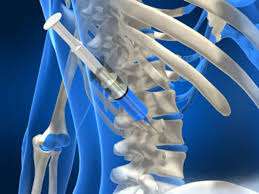
Interstitial Lung Disease refers to a diverse group of pulmonary disorders that cause inflammation and scarring of lung tissue causing varying degrees of respiratory distress. Understanding ILD enables efficient symptom control over time following proper care standards!
- Main symptoms may include persistent dry cough along with gradual breathlessness especially noticeable when exerting oneself physically over time.
- Comprehensive diagnosis involves high-resolution CT scans revealing characteristic patterns associated particularly with types present while pulmonary function tests gauge overall efficiency levels accurately!
- Treatment options vary widely including anti-inflammatory medications alongside newer therapies focusing specifically upon halting progression rates like pirfenidone delivering promising results observed frequently observed thus enhancing patient outcomes considerably!
In partnership together we’re able explore various paths towards successful mitigation addressing these complex conditions yielding ultimately elevated living capabilities!
ALLERGY MANAGEMENT

Pneumonitis due to allergies can lead to significant discomfort in those affected. Recognizing allergens that trigger respiratory symptoms is crucial for effective management. Allergy-related respiratory issues manifest through various reactions within the lungs making breathing difficult at times.
- Key symptoms include sneezing, nasal congestion/tightness in the chest while encountering specific allergens like pollen or dust mites.
- Most diagnoses rely on allergy testing through skin prick tests or blood tests identifying specific sensitivities.
- Treatment usually involves avoidance strategies combined with antihistamines or inhaled medications that reduce inflammation within the airways.
- Patients might also consider allergen desensitization therapy if indicated depending upon severity; discussing options should occur during consultations.
Timely identification leads not only toward alleviating immediate symptoms but developing long-term strategies alongside healthcare professionals!
SLEEP APNEA TREATMENT

Sleep apnea is a serious sleep disorder characterized by repeated interruptions in breathing during sleep. These pauses can last several seconds or even minutes, disrupting sleep patterns significantly.
- The main symptoms include loud snoring, excessive daytime sleepiness, irritability, and difficulty concentrating.
- A diagnosis typically involves sleep studies, which monitor breathing patterns during sleep cycles in a controlled environment or at home using portable devices.
- Treatment may include lifestyle changes such as weight loss or positional therapy alongside continuous positive airway pressure (CPAP) therapy for more severe cases.
If left untreated, sleep apnea can lead to serious health complications. Early intervention is essential for improving quality of sleep and overall health outcomes!
PULMONARY REHABILITATION

Pulmonary rehabilitation is a program designed to improve the well-being of individuals suffering from chronic respiratory diseases. This comprehensive approach combines exercise training with education on managing respiratory conditions effectively.
- Participants may experience increased endurance, reduced breathlessness during everyday tasks, and improved mood due to physical activity.
- The program usually includes an initial evaluation of lung function along with tailored exercise plans based on patient needs.
- Pulmonary rehabilitation often encompasses nutritional advice to support overall health as well as smoking cessation programs where necessary.
- A multidisciplinary team will provide ongoing support throughout the course of treatment, helping patients feel more confident in managing their condition independently.
This holistic approach fosters better self-management skills and empowers patients for everyday challenges related to their respiratory health.
CHRONIC OBSTRUCTIVE PULMONARY DISEASE (COPD) MANAGEMENT

COPD is a progressive lung disease that obstructs airflow and makes breathing difficult. It often results from long-term exposure to irritating gases or particulate matter, most commonly from cigarette smoke.
- The primary symptoms include a persistent cough, excess mucus production, and increasing shortness of breath during physical activities.
- Diagnosis may involve spirometry, a test that measures how much air you can exhale after taking a deep breath.
- Treatment focuses on smoking cessation, inhalers, pulmonary rehabilitation programs, and sometimes supplemental oxygen therapy.
- Routine check-ups are critical for monitoring lung health and adjusting medications as necessary.
- Pacing activities throughout the day can help maintain energy levels despite fatigue caused by the condition.
An informed approach to COPD management empowers patients to maintain their daily routines while minimizing symptoms.
ASTHMA MANAGEMENT

Living with asthma can be challenging, but understanding how to manage it effectively can greatly enhance your quality of life. Asthma is a chronic condition that affects the airways, causing wheezing, shortness of breath, chest tightness, and coughing.
- Common symptoms include wheezing during physical activities and difficulty in breathing at night.
- Diagnosis typically involves pulmonary function tests, which measure lung capacity and responsiveness to medication.
- Treatment options include inhaled corticosteroids, bronchodilators, and lifestyle adjustments such as avoiding triggers like allergens or smoke.
- Regular follow-ups are important to monitor your condition and adjust treatment plans accordingly.
- Patients can expect to learn about their specific triggers and develop an action plan for managing flare-ups.
With the right management strategies in place, individuals with asthma can lead active and fulfilling lives.