
Dr Pravin Gupta,
About Me
Dr Pravin Gupta,
MBBS
General Physician
10 Years Experience
Biography
My Clinic
OPD Hours
| Monday | Morning | 10:00 AM | - | 02:00 PM |
| Evening | 06:00 PM | - | 09:00 PM | |
| Tuesday | Morning | 10:00 AM | - | 02:00 PM |
| Evening | 06:00 PM | - | 09:00 PM | |
| Wednesday | Morning | 10:00 AM | - | 02:00 PM |
| Evening | 06:00 PM | - | 09:00 PM | |
| Thursday | Morning | 10:00 AM | - | 02:00 PM |
| Evening | 06:00 PM | - | 09:00 PM | |
| Friday | Morning | 10:00 AM | - | 02:00 PM |
| Evening | 06:00 PM | - | 09:00 PM | |
| Saturday | Morning | 10:00 AM | - | 02:00 PM |
| Evening | 06:00 PM | - | 09:00 PM | |
| Sunday | Morning | 10:00 AM | - | 02:00 PM |
| Evening | 06:00 PM | - | 09:00 PM |
Treatments
Specialised care and treatments offered
ALLERGIC RHINITIS
This condition occurs when nasal passages become inflamed due to allergens like pollen dust mites or pet dander. Known commonly as hay fever its prevalence rises particularly during certain seasons affecting daily life significantly!
- Symptoms: Characterized by sneezing runny/stuffy nose itchy eyes throat irritation potentially leading coughing worsening overall quality consistently if unmanaged effectively!
- Causes: The primary triggers range across various allergens encountered within environments triggering acute inflammatory responses creating discomforting situations around patients regularly throughout years especially during changing seasons! < / i s >< p style=" text-align:center;">< span style="font-weight:bold;color:#0000FF;font-size:16px;">Diagnosis typically involves reviewing patient histories performing allergy tests confirming sources causing symptom emergence directly.
Management revolves around both pharmacological interventions utilizing antihistamines corticosteroids ensuring effective alleviation alongside environmentally adjusting living spaces minimizing exposure whenever feasible!. Ensure seeking professional advice customizing individualized approaches whenever necessary!
ANEMIA

Anemia is a condition where you lack enough healthy red blood cells to carry adequate oxygen to your body's tissues. This can result in fatigue and weakness among other symptoms due to reduced oxygen supply.
- Symptoms: Main symptoms frequently noted are extreme tiredness pale skin weakness dizziness along with heart palpitations in some cases!
- Causes: The underlying cause varies widely ranging from iron deficiency nutritional deficiencies chronic diseases & more!
- Diagnosis: Diagnosed through complete blood count testing which measures hemoglobin levels hematocrit among other parameters identifying specific variant requiring treatment!
GASTROENTERITIS

An inflammation of the gastrointestinal tract known as gastroenteritis results in symptoms such as diarrhea and vomiting. It can arise from various infectious agents including viruses and bacteria.
- Symptoms: Often present with watery diarrhea, abdominal cramps, nausea, vomiting and sometimes fever alongside dehydration risks.
- Causes:The condition may be triggered by consuming contaminated food or water; viral strains like norovirus are commonly involved .
- Diagnosis: Confirmed through patient history assessment and sometimes stool tests to identify specific pathogens if needed.
- Treatment: Focuses on rehydration either orally or intravenously depending on severity; antiemetics might be used for symptomatic relief.
- What to Expect: Most recover fully within several days but must stay vigilant about hydration to prevent serious complications arising from fluid loss.
Consult healthcare professionals early if symptoms persist beyond 48 hours for proper evaluation.
ACUTE RESPIRATORY INFECTIONS
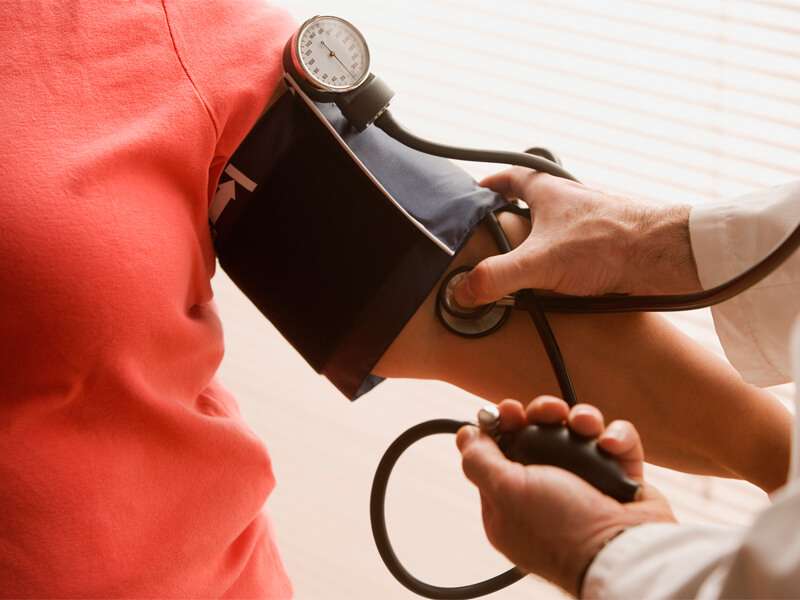
Acute respiratory infections (ARIs) are infections that affect the airways and lungs. Commonly caused by viruses or bacteria, they can range from mild to severe illness.
- Symptoms: Symptoms may include cough, sore throat, fever, chest discomfort, and difficulty breathing in severe cases.
- Causes: Frequent causes include viral infections like influenza or bacterial infections such as pneumonia.
- Diagnosis: Diagnosis typically involves physical examinations along with chest X-rays or lab tests when necessary to determine severity and causative agent.
- Treatment: Management may involve rest and hydration for viral infections; bacterial infections may require antibiotics while symptomatic relief can be provided for both types.
If you experience any alarming symptoms such as high fever or persistent coughs lasting more than a week, seek medical attention promptly
DIABETES MELLITUS
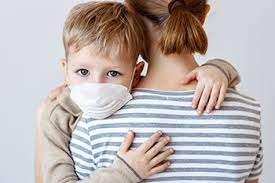
Diabetes mellitus is a metabolic disorder characterized by elevated blood sugar levels over a prolonged period. It can lead to serious complications if not effectively managed.
- Symptoms: Common signs include increased thirst, frequent urination, extreme fatigue, and blurred vision.
- Causes: Type 1 diabetes is often autoimmune; Type 2 typically results from lifestyle factors and insulin resistance.
- Diagnosis: Blood tests measuring glucose levels confirm diagnosis during routine exams or when symptoms arise.
- Treatment: Control can be achieved through dietary management, exercise, oral medication, or insulin therapy depending on the type of diabetes.
- What to Expect: Regular follow-up is essential to monitor glucose levels and adjust treatment plans accordingly; lifestyle adjustments play a significant role in successful management.
A proactive approach can help maintain your health and prevent complications associated with diabetes mellitus.
HYPERTENSION
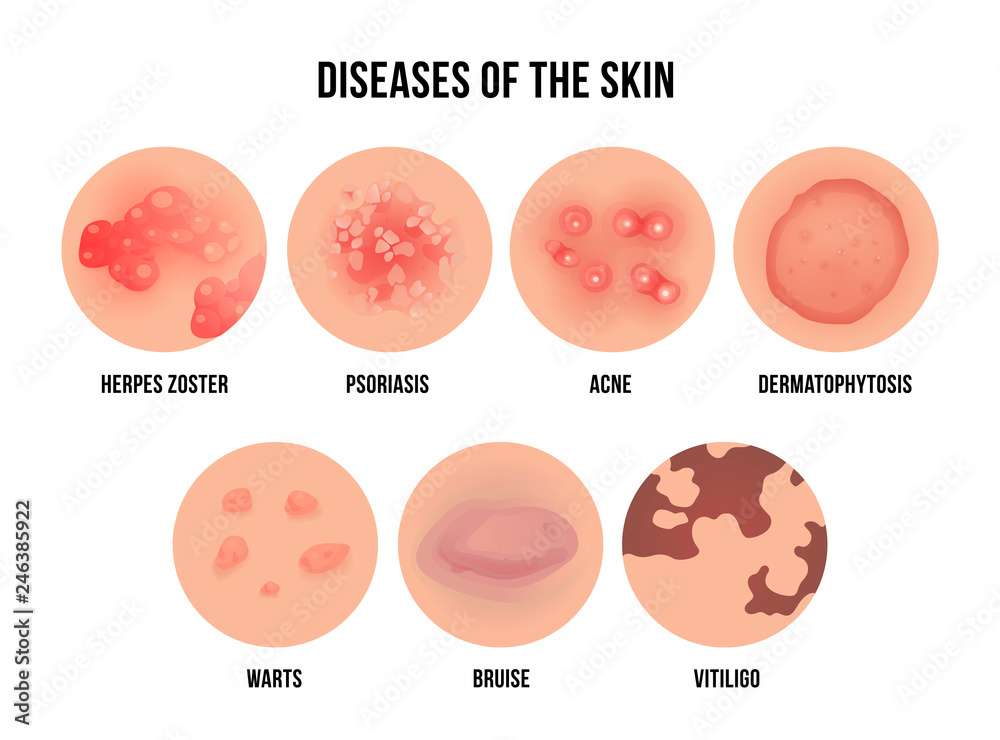
Hypertension, or high blood pressure, is a common condition that can lead to serious health problems if left untreated. It occurs when the force of the blood against the artery walls is consistently too high.
- Symptoms: Often asymptomatic, but may include headaches, shortness of breath, and nosebleeds.
- Causes: Factors include obesity, lack of physical activity, excessive salt intake, and genetics.
- Diagnosis: Generally diagnosed through regular blood pressure measurements taken at visits.
- Treatment: Management includes lifestyle changes like diet and exercise, as well as medications such as diuretics or ACE inhibitors.
- What to Expect: Routine monitoring is crucial; many patients achieve controlled blood pressure with consistent treatment.
If you suspect you have hypertension, consult your healthcare provider for appropriate evaluation and management.