
Dr Pravesh Kumar
About Me
Dr Pravesh Kumar
MD
Anesthesiologist
10 Years Experience
Biography
My Clinic
OPD Hours
| Monday | Morning | 10:00 AM | - | 02:00 PM |
| Evening | 06:00 PM | - | 09:00 PM | |
| Tuesday | Morning | 10:00 AM | - | 02:00 PM |
| Evening | 06:00 PM | - | 09:00 PM | |
| Wednesday | Morning | 10:00 AM | - | 02:00 PM |
| Evening | 06:00 PM | - | 09:00 PM | |
| Thursday | Morning | 10:00 AM | - | 02:00 PM |
| Evening | 06:00 PM | - | 09:00 PM | |
| Friday | Morning | 10:00 AM | - | 02:00 PM |
| Evening | 06:00 PM | - | 09:00 PM | |
| Saturday | Morning | 10:00 AM | - | 02:00 PM |
| Evening | 06:00 PM | - | 09:00 PM | |
| Sunday | Morning | 10:00 AM | - | 02:00 PM |
| Evening | 06:00 PM | - | 09:00 PM |
Treatments
Specialised care and treatments offered
INTRAVENOUS SEDATION
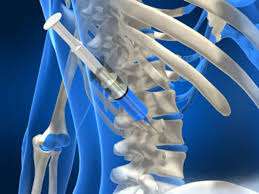
This method involves administering sedative medications directly into the bloodstream via an IV line for fast-acting relaxation during various medical procedures. IV sedation can lead to reduced anxiety levels while maintaining responsiveness depending on dosage provided by healthcare professionals involved in care delivery.
- Patients undergoing procedures might experience discomfort stemming from sensations felt during intervention performed
- A pre-sedation assessment identifies any existing health conditions influencing choice of medications used thus optimizing safety protocol established ahead of time
- The process typically includes monitoring vital signs continuously throughout treatment ensuring patient's well-being consistently addressed all along , regardless intensity level present at initiation stage .
Ultimately when delivered expertise , intravenous sedation remains excellent resource helping individuals manage unease facilitating better procedural experiences overall within varied healthcare settings thereby improving important aspects surrounding relevant outcomes derived thereby enhancing continued rapport built along supportive frameworks needed since onset onwards too .
POSTOPERATIVE PAIN MANAGEMENT

The period immediately following surgery is crucial for patient comfort; effective postoperative pain management plays an integral role in recovery success.
- Pain typically arises from surgical trauma; its intensity varies per individual experience and intervention type undertaken
- A postoperative evaluation assesses pain levels ensuring prompt action towards management solutions
- Treatment might integrate analgesics, along with regional blocks or other targeted therapies if warranted
- Supporting non-pharmacological interventions such as guided imagery or relaxation techniques strengthen overall efficacy
By establishing a strong postoperative pain relief plan early on enhances overall satisfaction with the surgical journey thus fostering timely recoveries ahead
ANXIETY MANAGEMENT DURING SURGERY

Anxiety can be a natural response before surgical interventions. Addressing this concern proactively contributes to a smoother procedure experience overall.
- Surgical anxiety may manifest as nervousness or fear about the procedure outcomes.
- A comprehensive pre-operative evaluation helps identify anxiety triggers in patients.
- Management options include pre-operative counseling and relaxing techniques such as deep breathing exercises or meditation classes prior to surgery day.
- Mild sedatives might be prescribed if necessary—these are monitored closely by an anesthesiologist during pre-op assessments
The focus on effectively managing anxiety lays the groundwork for better patient cooperation and comfort throughout the surgical process, facilitating improved outcomes
REGIONAL ANESTHESIA

Regional anesthesia is a technique that provides pain relief for specific areas during surgery or medical procedures. This method is advantageous as it reduces the need for general anesthesia, allowing quicker recovery times.
- This approach targets nerves supplying sensations to particular body parts.
- Diagnosis involves evaluating the surgery site to determine suitable regional blocks.
- Anesthesiologists perform nerve blocks using local anesthetics with precise techniques for optimal effect.
- Pain management post-procedure is often enhanced by combining this with medication protocols.
- Pacing recovery ensures minimal discomfort following the effects of anesthesia wearing off.
The use of regional anesthesia contributes significantly to more comfortable surgical experiences while supporting faster recovery timelines for patients across various types of procedures.
SEDATION TECHNIQUES FOR DENTAL PROCEDURES

For patients facing dental procedures that induce anxiety, sedation techniques offer a way to enhance comfort. These methods ensure patients remain relaxed throughout treatment without full anesthesia.
- Common symptoms of anxiety may include rapid heartbeat and excessive sweating.
- Dentists assess patient health history and anxiety levels prior to sedation.
- Options include nitrous oxide, oral sedatives, or intravenous sedation depending on the procedure scope.
- Monitoring is crucial during the procedure to ensure patient safety.
- A soft recovery space post-procedure allows for gradual regaining of full awareness.
This personalized sedation approach helps alleviate fears while ensuring necessary dental work can be performed efficiently.
CHRONIC PAIN MANAGEMENT

Chronic pain can significantly impact daily life, often leading to emotional distress and reduced functionality. Effective management is essential for improving quality of life.
- Common causes include injury, inflammation, and nerve damage.
- Diagnosis typically involves a thorough physical examination and imaging studies.
- Treatment options may include medications, physical therapy, and nerve blocks.
- Alternative therapies like acupuncture or cognitive behavioral therapy may also be recommended.
- Patients can expect a personalized approach based on the severity and nature of their pain.
With appropriate strategies in place, many individuals find relief and improved daily functioning through dedicated chronic pain management programs.