
Dr Praveen Patha
About Me
Dr Praveen Patha
MBBS
General Physician
10 Years Experience
Biography
My Clinic
OPD Hours
| Monday | Morning | 10:00 AM | - | 02:00 PM |
| Evening | 06:00 PM | - | 09:00 PM | |
| Tuesday | Morning | 10:00 AM | - | 02:00 PM |
| Evening | 06:00 PM | - | 09:00 PM | |
| Wednesday | Morning | 10:00 AM | - | 02:00 PM |
| Evening | 06:00 PM | - | 09:00 PM | |
| Thursday | Morning | 10:00 AM | - | 02:00 PM |
| Evening | 06:00 PM | - | 09:00 PM | |
| Friday | Morning | 10:00 AM | - | 02:00 PM |
| Evening | 06:00 PM | - | 09:00 PM | |
| Saturday | Morning | 10:00 AM | - | 02:00 PM |
| Evening | 06:00 PM | - | 09:00 PM | |
| Sunday | Morning | 10:00 AM | - | 02:00 PM |
| Evening | 06:00 PM | - | 09:00 PM |
Treatments
Specialised care and treatments offered
DEEP VEIN THROMBOSIS (DVT) DIAGNOSIS AND TREATMENT
DVT involves formation of a blood clot within deep veins typically in the legs leading to significant health risks if untreated. Early detection coupled with comprehensive treatment ensures safer outcomes.
GASTROESOPHAGEAL REFLUX DISEASE (GERD) MANAGEMENT

This digestive disorder occurs when stomach acid frequently flows back into the esophagus, irritating its lining. Effective management improves comfort and prevents complications over time.
ACUTE APPENDICITIS SURGICAL INTERVENTION

An urgent medical condition caused by inflammation of the appendix often necessitating prompt surgical removal. Recognizing early signs can save lives by preventing complications like rupture.
- Epidemiology & Clinical Presentation: Commonly presents with abdominal pain shifting towards the lower right quadrant accompanied by nausea or fever.
- Differential Diagnosis & Imaging: Physical examination supported by ultrasound or CT scan assists in confirming appendicitis versus other abdominal conditions.
- Surgical Treatment: Laparoscopic appendectomy is preferred due to minimal invasiveness and faster recovery compared to open surgery.
- Postoperative Care & Outcomes: Antibiotics are administered perioperatively; most patients recover without long-term issues if treated promptly.
Surgical removal remains the definitive treatment ensuring resolution of symptoms and prevention of severe intra-abdominal infections.
CHRONIC OBSTRUCTIVE PULMONARY DISEASE (COPD) TREATMENT
COPD is a progressive lung disease that obstructs airflow and impairs breathing. Understanding its management can lead to better symptom control and enhanced daily functioning.
- Causative Factors & Symptoms: Smoking is the primary cause; patients often experience chronic cough, sputum production, and shortness of breath.
- Diagnosis Techniques: Spirometry confirms airflow limitation; chest X-rays and CT scans assist in further evaluation.
- Treatment Modalities: Smoking cessation remains vital; bronchodilators, corticosteroids inhalation therapies help alleviate symptoms; oxygen therapy may be necessary in advanced stages.
- Lifestyle Adjustments: Pulmonary rehabilitation exercises improve respiratory efficiency; vaccinations prevent infections that worsen COPD status.
Lifelong management focusing on symptom relief and prevention of exacerbations enhances quality of life in COPD patients.
TYPE 2 DIABETES MELLITUS CARE

This metabolic disorder affects how the body uses insulin, leading to elevated blood sugar levels. Comprehensive care is essential to minimize complications and maintain quality of life.
- Symptoms and Risk Factors: Increased thirst, frequent urination, fatigue; risk factors include obesity, sedentary lifestyle, and family history.
- Diagnostic Measures: Blood tests like fasting glucose and HbA1c help in confirming diagnosis and assessing control over time.
- Treatment Strategies: Focus on balanced nutrition, physical activity, oral hypoglycemic agents, or insulin therapy tailored per patient requirements.
- Long-term Monitoring: Regular evaluation for complications such as neuropathy or retinopathy ensures timely intervention.
A proactive approach combining lifestyle changes with medical management greatly improves prognosis in type 2 diabetes.
HYPERTENSION MANAGEMENT
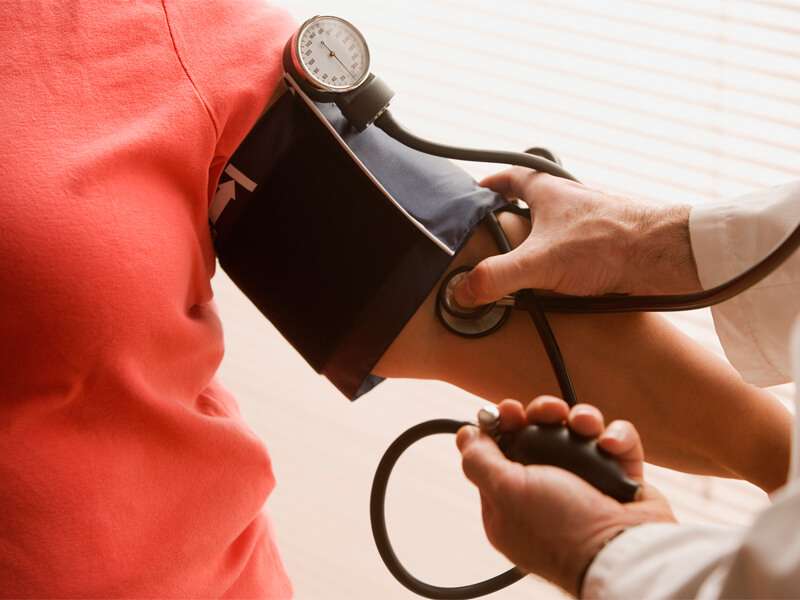
High blood pressure is a common yet serious condition that requires ongoing care to prevent complications. Managing hypertension involves understanding its causes, symptoms, and the best strategies for control.
- Causes and Symptoms: Often called the "silent killer," hypertension may not have obvious symptoms but can be triggered by genetics, lifestyle factors, or other health issues.
- Diagnosis: Regular blood pressure monitoring using sphygmomanometers helps confirm elevated readings over multiple visits.
- Treatment Options: Lifestyle modifications including diet and exercise are foundational; medications like ACE inhibitors or beta-blockers may be prescribed based on individual needs.
- Management Expectations: Consistent follow-ups are critical to adjust therapy and monitor for side effects or organ damage.
Effective control of blood pressure reduces risks of stroke, heart attack, and kidney disease, emphasizing the importance of adherence to treatment plans.