
Dr Praveen Gokhale
About Me
Dr Praveen Gokhale
MD
Pediatrician
26 Years Experience
Biography
My Clinic
OPD Hours
| Monday | Morning | 09:00 AM | ||
| Evening | 09:00 PM | |||
| Tuesday | Morning | 09:00 AM | ||
| Evening | 09:00 PM | |||
| Wednesday | Morning | 09:00 AM | ||
| Evening | 09:00 PM | |||
| Thursday | Morning | 09:00 AM | ||
| Evening | 09:00 PM |
Treatments
Specialised care and treatments offered
CROUP

Croup is an upper airway infection commonly seen in young children characterized by a distinctive barking cough. This illness often arises from viral infections such as parainfluenza virus leading to inflammation around vocal cords affecting breathing passages temporarily!
- Symptoms typically include hoarseness alongside stridor sounds (a wheezing noise upon inhalation) worsening at night usually intensifying anxiety amongst concerned caregivers balancing anxiety versus actual situations unfolding adversely beyond initial indicators perceived before visits warranted taken place thereafter needing urgent evaluations accordingly assessed consistently!
- Physicians utilize clinical histories followed thorough physical examinations confirming presence severity tracking observed responses evolution underway recognizing existing patterns determining true necessities arising priority-wise home-based remedies balanced against potential prescriptions needed later perhaps if deemed justifiable!
- Options available existing involve supportive measures like humidified air staying calm whilst utilizing pain-relieving medications enhancing comfort during challenging circumstances faced regularly helping stabilize levels ensuring safe environments prioritizing efficiency functionality giving families peace-of-mind throughout recovery journeys undertaken together ahead forward afterward awaiting full resolution anticipating healthy strides completed thereafter!
Being aware navigating preventative approaches hugely underlining successful trajectories moving ahead progress seeking engaging informative channels fostering healthier pathways nurtured collaboratively ultimately ensuring all involved remain focused achievable objectives pursued concertedly adapting flexibly assistance given circumstances evolving dynamically optimistic yet realistic views embraced holistically enabling resilience fostered nurturing roles performed effectively cooperatively realized lasting positive impacts overall!
PNEUMONIA

Pneumonia is an infection that inflames the air sacs in one or both lungs. It's especially concerning in young children since it can progress rapidly if not addressed promptly with appropriate medical attention!
- Main symptoms include high fever alongside persistent cough (which might bring up greenish-yellow mucus), difficulty breathing (visible changes rather than minor wheezing), along shortness of breath—a potentially serious sign requiring immediate action if observed.
- Diagnosis requires careful physical examination followed by potential tests like chest X-rays along blood counts revealing inflammatory markers indicating infections present actively within body systems!
- Treatment depends significantly; antibiotics may be prescribed (especially bacterial forms), so ensuring adequate hydration while monitoring closely aides recovery efforts overall!
- It’s also important parents understand when conditions necessitate further intervention - excess lethargy would necessitate prompt reevaluation candidacies too!
With swift intervention strategies employed correctly localized medical personnel could facilitate timely recovery journeys concerning affected kids drastically improving outcomes registered subsequently sharing experiences positively recounting progress made together post-treatment sessions down line down paths traveled together thereafter!
ECZEMA (ATOPIC DERMATITIS)
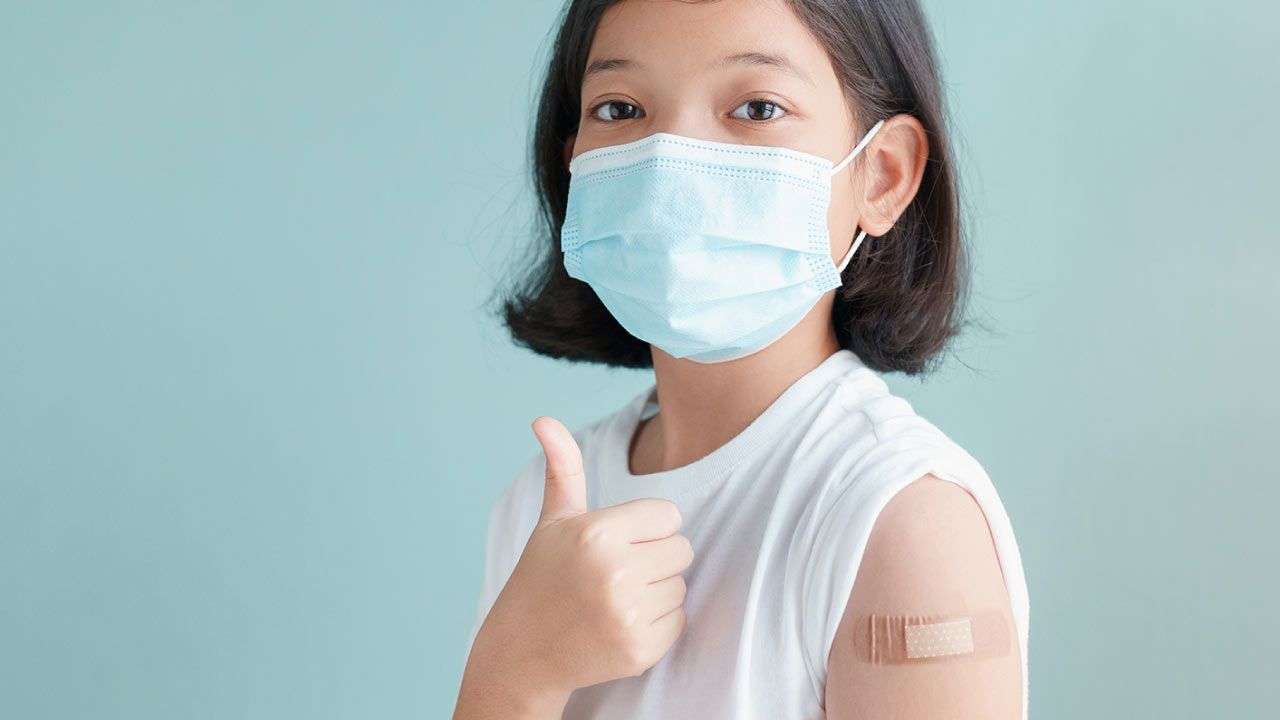
Eczema is a common skin condition seen in children characterized by dry, itchy patches. It often begins in infancy but can occur at any age; managing it requires understanding triggers and treatment options available.
- Mainly presenting as dry skin that becomes red and itchy over time; flare-ups may occur due to certain allergens or irritants like soaps or fabrics.
- Pediatricians diagnose eczema based on visual assessment of the skin combined with patient history regarding triggers experienced by the child nationally across various environments.
- Treatment generally involves moisturizing creams along with topical steroids during flare-ups to reduce inflammation effectively.
HAND-FOOT-AND-MOUTH DISEASE

This contagious viral infection primarily affects young children. Hand-foot-and-mouth disease causes sores in the mouth as well as a rash on the hands and feet due to viruses such as Coxsackievirus.
- The typical symptoms include fever, mouth sores that can be painful, along with red spots or blisters on the hands and feet.
- A pediatrician diagnoses this condition usually through a physical examination based on visible signs rather than laboratory tests.
- No specific treatment exists; management focuses on relieving symptoms with pain relievers or topical treatments for discomfort due to sores.
- Maintaining hydration is crucial since mouth sores can make eating or drinking painful for children affected by this illness.
- The infection usually resolves within a week or so but is highly contagious during its active phase; hence hygiene practices are vital to prevent spread.
If you notice any signs of this disease in your child, consult a healthcare provider promptly for guidance on care strategies.
ATTENTION DEFICIT HYPERACTIVITY DISORDER (ADHD)
ADHD is a neurodevelopmental disorder that manifests in childhood and can continue into adulthood. It is characterized by persistent patterns of inattention, hyperactivity, and impulsivity that interfere with functioning or development.
- The symptoms include difficulty focusing on tasks, excessive fidgeting, acting without thinking, and challenges in organizing activities.
- A comprehensive evaluation by a pediatrician involves parent interviews, behavioral assessments, and standardized questionnaires to confirm ADHD diagnosis.
- Treatment often includes behavioral therapy, lifestyle adjustments, and sometimes medication to help improve concentration and impulse control.
- Your child may benefit from structured routines both at home and in school to support their learning environment.
- Regular follow-ups are important to adjust treatment as needed for optimal outcomes.
Understanding ADHD helps parents provide adequate support for their child's unique needs while fostering their strengths.
ASTHMA
Asthma is a chronic respiratory condition that affects children and can cause significant discomfort. This ailment occurs when the airways become inflamed, making it difficult for the child to breathe properly.
- Common symptoms include wheezing, shortness of breath, chest tightness, and frequent coughing, especially at night or early morning.
- A pediatrician typically diagnoses asthma through a combination of medical history, physical examination, and sometimes lung function tests.
- Treatment options involve inhalers for immediate relief during an asthma attack and daily medications for long-term control.
- Children may be advised to avoid triggers such as allergens or strenuous exercise to manage their symptoms effectively.
- With proper management, most children can live normally without major restrictions on their activities.
Asthma management is crucial for improving quality of life and preventing severe episodes that can require emergency care.