
Dr Praveen Chopr
About Me
Dr Praveen Chopr
MBBS
General Physician
10 Years Experience
Biography
My Clinic
OPD Hours
| Monday | Morning | 10:00 AM | - | 02:00 PM |
| Evening | 06:00 PM | - | 09:00 PM | |
| Tuesday | Morning | 10:00 AM | - | 02:00 PM |
| Evening | 06:00 PM | - | 09:00 PM | |
| Wednesday | Morning | 10:00 AM | - | 02:00 PM |
| Evening | 06:00 PM | - | 09:00 PM | |
| Thursday | Morning | 10:00 AM | - | 02:00 PM |
| Evening | 06:00 PM | - | 09:00 PM | |
| Friday | Morning | 10:00 AM | - | 02:00 PM |
| Evening | 06:00 PM | - | 09:00 PM | |
| Saturday | Morning | 10:00 AM | - | 02:00 PM |
| Evening | 06:00 PM | - | 09:00 PM | |
| Sunday | Morning | 10:00 AM | - | 02:00 PM |
| Evening | 06:00 PM | - | 09:00 PM |
Treatments
Specialised care and treatments offered
ROUTINE HEALTH CHECK-UPS

Mild or absent symptoms do not always imply good health. Periodic wellness examinations help detect underlying issues early before they progress into serious ailments requiring complex management.
- The importance of regular screening: Early identification of abnormalities like anemia, thyroid disorders or kidney function decline allows prompt intervention.
- Pertinent tests included: Complete blood counts, urine analysis, liver function tests alongside vital signs assessment form part of standard checkups tailored according to age group needs.
CHOLESTEROL MONITORING AND TREATMENT
An imbalance in blood cholesterol levels increases cardiovascular risk by promoting plaque buildup in arteries. Maintaining healthy lipid profiles prevents heart disease complications effectively.
- Main causes: Diets high in saturated fats, genetic predisposition, lack of exercise contribute to raised LDL cholesterol levels.
- Eliciting diagnosis: Blood lipid panels measure total cholesterol, LDL (bad), HDL (good), and triglycerides after fasting state evaluation.
- Lifestyle interventions: Emphasizing a heart-healthy diet rich in fruits and vegetables alongside regular physical activity lowers cholesterol naturally.
- Treatment options: Statins and other lipid-lowering agents may be prescribed if lifestyle measures prove insufficient for desired control levels.
A comprehensive approach including monitoring helps minimize risks of stroke or myocardial infarction linked to dyslipidemia conditions.
ADULT VACCINATION PROGRAMS
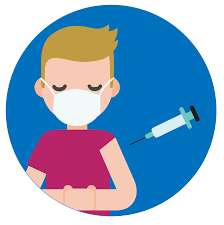
Vaccinations play a crucial role in protecting adults from preventable infectious diseases that can cause significant morbidity. Staying up-to-date with immunizations strengthens community health.
- Key vaccines recommended: Influenza yearly shots, tetanus boosters every 10 years, pneumococcal vaccines for older adults or those with chronic illness.
- Candidates for vaccination: Adults with chronic diseases or travelers may require additional vaccines such as hepatitis B or typhoid immunization.
- Safety considerations: Vaccines undergo rigorous testing for safety; side effects are generally mild like soreness at injection site.
- The impact of vaccination: Reduces incidence of outbreaks and protects vulnerable populations including elderly individuals with weakened immunity.
Engaging in scheduled adult vaccinations supports personal health while contributing to wider public health benefits.
DIABETES SCREENING AND CONTROL

Diabetes mellitus is a metabolic disorder characterized by elevated blood sugar levels due to insulin resistance or deficiency. Early detection through screening can help prevent long-term organ damage.
- Causes and symptoms: Risk factors include obesity, sedentary lifestyle, family history; symptoms might include excessive thirst, frequent urination, and fatigue.
- Screening methods: Fasting blood glucose tests or HbA1c measurements are commonly used to detect impaired glucose regulation.
- Treatment approaches: Focus on dietary adjustments, physical activity enhancement, oral medications, or insulin therapy depending on disease progression.
- Complication prevention: Regular eye exams and foot care reduce the risk of diabetes-related impairments.
Lifestyle modification combined with proper medical intervention ensures better glycemic control and quality of life for affected individuals.
HYPERTENSION MANAGEMENT
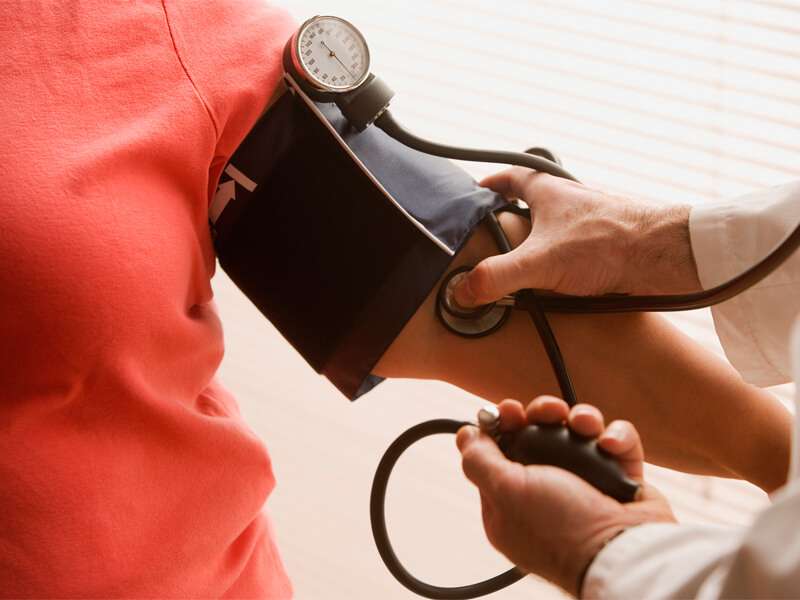
High blood pressure, or hypertension, is a common condition that affects many adults worldwide. It often develops silently over years without any obvious symptoms but can lead to serious health problems if left uncontrolled.
- Symptoms and causes: Hypertension is frequently asymptomatic; risk factors include obesity, high salt intake, stress, and family history.
- Diagnosis: Blood pressure measurements taken over multiple visits confirm elevated readings consistently above 130/80 mmHg.
- Treatment options: Lifestyle changes such as diet modification and exercise are first-line; medications like ACE inhibitors or beta-blockers may be prescribed based on severity.
- Monitoring: Regular follow-up to check blood pressure and adjust therapy is essential for preventing complications.
Effective management reduces the risk of heart attack, stroke, kidney disease, and improves overall life expectancy when carefully followed.