
Dr Prateek Kumar
About Me
Dr Prateek Kumar
MBBS
Dermatologist
10 Years Experience
Biography
My Clinic
OPD Hours
| Monday | Morning | 10:00 AM | - | 02:00 PM |
| Evening | 06:00 PM | - | 09:00 PM | |
| Tuesday | Morning | 10:00 AM | - | 02:00 PM |
| Evening | 06:00 PM | - | 09:00 PM | |
| Wednesday | Morning | 10:00 AM | - | 02:00 PM |
| Evening | 06:00 PM | - | 09:00 PM | |
| Thursday | Morning | 10:00 AM | - | 02:00 PM |
| Evening | 06:00 PM | - | 09:00 PM | |
| Friday | Morning | 10:00 AM | - | 02:00 PM |
| Evening | 06:00 PM | - | 09:00 PM | |
| Saturday | Morning | 10:00 AM | - | 02:00 PM |
| Evening | 06:00 PM | - | 09:00 PM | |
| Sunday | Morning | 10:00 AM | - | 02:00 PM |
| Evening | 06:00 PM | - | 09:00 PM |
Treatments
Specialised care and treatments offered
VITILIGO
The loss of pigment-producing cells leads to vitiligo characterized by distinctive white patches on various body parts. This autoimmune condition impacts individuals differently regarding extent and progression speed of depigmentation changes.
- < li >< strong > Symptoms < / strong > : Well-demarcated milky white macules devoid of pigment usually symmetrical but can happen anywhere including face hands feet.< / li >< li >< strong > Causes < / strong > : Autoimmune destruction targeting melanocytes leads to pigment loss possibly influenced by genetic susceptibility paired with environmental factors.< / li >< li >< strong > Diagnosis < / strong > : Visual exam aided by Wood’s lamp highlighting depigmented areas confirms diagnosis along with exclusion of other hypopigmentation disorders.< / li >< li >< strong > Treatment strategies < / strong > : Include topical corticosteroids/immunomodulators aiming at halting progression plus phototherapy techniques (NB-UVB) promoting repigmentation.< / li >< li >< strong > What outcomes may look like < / strong > : Variable responses occur necessitating personalized approaches though significant repigmentation achievable in many cases over time.< / li >< p > Although no definitive cure exists presently management focuses on disease stabilization combined with improving cosmetic appearance enhancing quality of life overall.< / p>
FUNGAL SKIN INFECTIONS (DERMATOPHYTOSIS)
Dermatophytosis refers to infections caused by fungi affecting the skin's outer layers involving nails or hair as well. Commonly called ringworm despite not being caused by worms precisely describes its ring-shaped lesions appearance.
- < li >< strong > Symptoms < / strong > : Circular red patches with scaling edges sometimes accompanied by itching or mild discomfort.< / li >< li >< strong > Causes < / strong > : Dermatophyte fungi thrive in warm moist environments spreading via direct contact or contaminated surfaces.< / li >< li >< strong > Diagnosis < / strong > : Clinical presentation confirmed by microscopic examination of skin scrapings using KOH preparation showing fungal elements.< / li >< li >< strong > Treatment < / strong > : Topical antifungals suffice for mild localized infections whereas extensive involvement calls for oral antifungal drugs prescribed appropriately.< / li >< li >< strong > Expected outcome < / strong > : Most infections resolve completely within weeks although recurring episodes are possible without proper hygiene measures.< / li >< p > Prompt recognition followed by targeted antifungal therapy helps resolve symptoms effectively while preventing spread among close contacts.< / p >
MELASMA
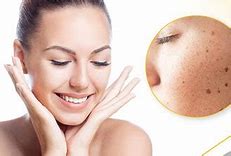
Melasma causes darkened patches typically found on sun-exposed areas of the face such as cheeks, forehead, nose bridge, and upper lip. It is more prevalent among women than men due to hormonal influences.
- Symptoms: Symmetrical hyperpigmented macules ranging from light brown to grayish-brown color without any physical discomfort like pain or itching.
- Causes: Primarily hormonal changes during pregnancy or contraceptive use combined with ultraviolet radiation exposure exacerbate melasma development.
- Diagnosis: Visual inspection supported by dermoscopy if needed confirms diagnosis; Wood’s lamp examination can reveal depth of pigmentation involvement.
- Treatment options: Include topical bleaching agents (hydroquinone), chemical peels, sun protection measures using high SPF sunscreens; laser therapy used cautiously in refractory cases.
- Expectations for outcome: Improvement takes months requiring strict sun avoidance; pigmentation may persist or recur without continuous maintenance therapies.
A diligent regimen combining treatment modalities with sun protection optimizes color reduction while minimizing relapse risk for melasma patients.
ATOPIC DERMATITIS (ECZEMA)
This chronic inflammatory skin disorder presents as dry, itchy patches often appearing in flexural areas like behind knees or inside elbows. It affects all ages but is especially common in children.
- Symptoms: Intense itching alongside redness, scaling, blistering or thickened skin in affected regions.
- Causes: A combination of genetic predisposition and environmental triggers such as allergens or irritants prompts inflammation.
- Diagnosis: Primarily based on clinical evaluation of characteristic signs coupled with patient history; allergy testing may assist in some cases.
- Treatment methods: Emollients for hydration; topical corticosteroids or calcineurin inhibitors reduce inflammation; avoiding triggers is essential for control.
- Prognosis: Chronic nature necessitates long-term management but symptoms often improve with proper care.
A comprehensive approach focusing on skincare routines and trigger avoidance helps maintain remission phases for eczema patients.
ACNE VULGARIS
Acne vulgaris is a common inflammatory skin condition affecting hair follicles and sebaceous glands. It often emerges during adolescence but can persist into adulthood or develop later in life.
- Symptoms: Presence of blackheads, whiteheads, pimples, cysts, or nodules primarily on the face, chest, and back.
- Causes: Hormonal fluctuations, excess oil production, bacteria proliferation, and clogged pores contribute to acne development.
- Diagnosis: Clinical assessment based on lesion type and severity helps determine appropriate treatment strategies.
- Treatment options: Range from topical retinoids and antibiotics to oral medications such as isotretinoin for resistant cases; lifestyle advice is also important.
- What to expect: Improvement may take weeks to months; regular follow-up ensures optimization of therapy with minimized side effects.
Effective acne management requires patience and tailored treatments to reduce scarring risk while controlling outbreaks.
PSORIASIS
Psoriasis is a chronic autoimmune skin condition that causes rapid skin cell buildup, leading to scaling and inflammation. It commonly affects the scalp, elbows, knees, and lower back but can appear anywhere on the body.
- Symptoms: Red, raised patches of skin covered with silvery scales; itching and discomfort may be present.
- Causes: It results from an overactive immune system triggering accelerated skin cell production.
- Diagnosis: Typically diagnosed through clinical examination; sometimes a skin biopsy is conducted to rule out other conditions.
- Treatment options: Include topical corticosteroids, vitamin D analogues, phototherapy, and systemic medications for severe cases.
- Expectations: While there is no cure, symptoms can be managed effectively with ongoing treatment and lifestyle adjustments.
Managing psoriasis involves consistent care and avoiding known triggers to keep flare-ups under control and maintain healthy skin.