
Dr Prateek Goyal
About Me
Dr Prateek Goyal
MS
Orthopaedic Surgeons
10 Years Experience
Biography
My Clinic
OPD Hours
| Monday | Morning | 10:00 AM | - | 02:00 PM |
| Evening | 06:00 PM | - | 09:00 PM | |
| Tuesday | Morning | 10:00 AM | - | 02:00 PM |
| Evening | 06:00 PM | - | 09:00 PM | |
| Wednesday | Morning | 10:00 AM | - | 02:00 PM |
| Evening | 06:00 PM | - | 09:00 PM | |
| Thursday | Morning | 10:00 AM | - | 02:00 PM |
| Evening | 06:00 PM | - | 09:00 PM | |
| Friday | Morning | 10:00 AM | - | 02:00 PM |
| Evening | 06:00 PM | - | 09:00 PM | |
| Saturday | Morning | 10:00 AM | - | 02:00 PM |
| Evening | 06:00 PM | - | 09:00 PM | |
| Sunday | Morning | 10:00 AM | - | 02:00 PM |
| Evening | 06:00 PM | - | 09:00 PM |
Treatments
Specialised care and treatments offered
HIP REPLACEMENT SURGERY
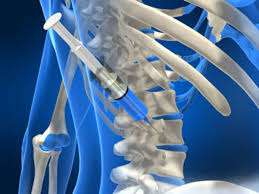
This surgical procedure involves replacing damaged hip joints with artificial implants. It’s typically recommended for patients suffering from persistent pain due to conditions such as arthritis where other treatments have failed to provide relief.
- Main symptoms prompting consideration for surgery often include chronic hip pain hindering daily activities like walking or climbing stairs;
- A thorough pre-operative assessment includes imaging studies that help outline joint damage level clearly ahead of planning surgery strategically;
- The usual course post-surgery involves rehabilitation aimed at restoring movement functionality while maximizing recovery efficiency;
This procedure has been shown to significantly improve quality of life for many patients facing debilitating hip issues!
SCOLIOSIS MANAGEMENT
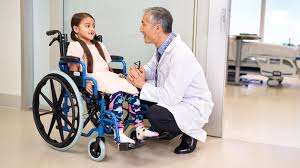
Scoliosis refers to an abnormal lateral curvature of the spine that commonly develops during growth spurts before puberty. While it may not always require treatment immediately after diagnosis, monitoring is crucial as it can progress over time.
- The main symptoms can include uneven shoulders or hips and noticeable spinal deformity which may affect posture.
- An assessment includes detailed physical examinations along with radiological imaging to determine curvature severity accurately.
- Treatment varies depending on age and curve degree; options may include observation for mild cases or bracing for moderate curves; severe cases might necessitate surgery for correction purposes.
An informed approach ensures ongoing assessment while focusing on maintaining overall health!
ANKLE SPRAINS

Ankle sprains are one of the most common injuries affecting individuals of all ages. They occur when ligaments around the ankle become overstretched or torn due to sudden twists or impacts during sports or daily activities.
- The initial symptoms often include swelling, tenderness over the ankle area, bruising, and limited mobility.
- A thorough examination along with physical tests are usually conducted to diagnose the severity of the sprain effectively.
- Treatment initially focuses on rest, ice application, compression bandaging, and elevation (RICE method) but may also involve rehabilitation exercises as healing progresses.
A proactive approach helps ensure proper healing and reduces recurrence risks!
CARPAL TUNNEL SYNDROME

This condition occurs when the median nerve becomes compressed at the wrist, leading to symptoms that can affect daily activities. Carpal tunnel syndrome is often associated with repetitive hand movements and certain health conditions.
- Common symptoms include numbness, tingling sensations in the fingers, and weakness in grip strength.
- A diagnosis typically combines patient history evaluation with physical exams and sometimes nerve conduction studies for confirmation.
- Treatment might involve wrist splints, medications for inflammation relief, or ergonomic adjustments at work stations to minimize strain on the hands.
If left untreated, it can lead to persistent discomfort; hence timely treatment is essential for relief!
ROTATOR CUFF TEAR

A rotator cuff tear can occur when the muscles or tendons surrounding the shoulder joint are damaged. This injury is often seen in people involved in repetitive overhead activities but can also result from acute trauma.
- The most common symptoms include pain during movement, weakness in lifting objects, and difficulty sleeping on the affected side.
- Diagnosis usually involves a physical examination along with imaging tests such as ultrasound or MRI to ascertain the extent of damage.
- Treatment options generally start with conservative measures like rest and physical therapy but can progress to surgical procedures if non-surgical methods fail.
Proper recognition and early intervention are key to restoring shoulder function effectively!
KNEE OSTEOARTHRITIS

Knee osteoarthritis is a common degenerative joint disease characterized by the breakdown of cartilage in the knee joint. It frequently affects older adults, but younger individuals can also be at risk due to injuries or underlying conditions.
- Symptoms include joint pain, stiffness, swelling, and decreased range of motion.
- Diagnosis typically involves a physical exam, imaging studies like X-rays or MRIs, and assessment of medical history.
- Treatment options may range from lifestyle changes and physical therapy to medications such as anti-inflammatories or corticosteroids.
- In more severe cases, surgical interventions like arthroscopy or knee replacement may be recommended.
Understanding this condition is crucial for effective management and improving quality of life through appropriate treatment strategies.