
Dr Prateek Gautam
About Me
Dr Prateek Gautam
B.P.T
Physiotherapist
10 Years Experience
Biography
My Clinic
OPD Hours
| Monday | Morning | 10:00 AM | - | 02:00 PM |
| Evening | 06:00 PM | - | 09:00 PM | |
| Tuesday | Morning | 10:00 AM | - | 02:00 PM |
| Evening | 06:00 PM | - | 09:00 PM | |
| Wednesday | Morning | 10:00 AM | - | 02:00 PM |
| Evening | 06:00 PM | - | 09:00 PM | |
| Thursday | Morning | 10:00 AM | - | 02:00 PM |
| Evening | 06:00 PM | - | 09:00 PM | |
| Friday | Morning | 10:00 AM | - | 02:00 PM |
| Evening | 06:00 PM | - | 09:00 PM | |
| Saturday | Morning | 10:00 AM | - | 02:00 PM |
| Evening | 06:00 PM | - | 09:00 PM | |
| Sunday | Morning | 10:00 AM | - | 02:00 PM |
| Evening | 06:00 PM | - | 09:00 PM |
Treatments
Specialised care and treatments offered
SPORTS INJURY MANAGEMENT
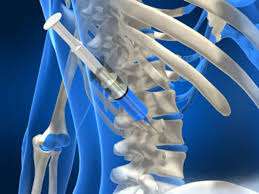
A variety of sporting activities pose risks of injuries; these may range from sprains and strains to stress fractures depending upon intensity levels involved during performance. Timely intervention dictates successful recovery trajectories post-injury occurrences!
POST-SURGICAL REHABILITATION
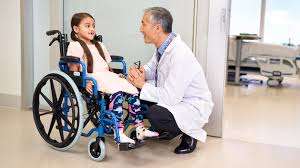
Pursuing recovery after surgery often necessitates specialized rehabilitation programs tailored to individual surgical procedures. Effective post-surgical rehabilitation enhances healing processes while reducing complications related to immobility.
- Main Objectives: Focuses on restoring function through progressive exercises that encourage mobility without stressing healing tissues too soon
- Initial Recovery Phase: Early stages typically require gentle range-of-motion exercises designed specifically for each procedure performed ensuring utmost safety during initial stages.
- Gradual Progression: As healing progresses additional strength training modalities may be integrated promoting further functional improvements aligning body mechanics correctly post-operatively.
- Monitoring Outcomes: Continuous assessment allows therapists adjust plans according their client’s unique progress thus maintaining overall effectiveness throughout rehab process.
Engaging actively within one's tailored rehab program significantly contributes towards swift recuperation following any surgical intervention undertaken .
NECK PAIN TREATMENT

The neck can experience pain due to various reasons including muscle strain, poor posture or underlying medical conditions. Understanding how neck pain presents itself is vital for achieving relief through proper treatment methods.
- Main Symptoms: Includes stiffness in the neck region along with radiating pain into the shoulders or arms when left untreated.
- {@code }Contributing Factors{@code :} Poor ergonomics at workstation settings or prolonged periods spent on mobile devices may exacerbate neck issues.
- Diagnosis: Primarily based on a comprehensive evaluation accompanied by potential imaging studies for detailed assessment depending on symptoms severity.
- Treatment Techniques: Often encompass targeted physiotherapy sessions focused on exercises aimed at improving strength and flexibility alongside manual therapy options.
- Long-term Prognosis: With diligent adherence towards prescribed interventions patients often notice significant mitigation of symptoms over time.
Proactive engagement in rehabilitation practices remains key towards overcoming chronic neck complications effectively.
OSTEOARTHRITIS MANAGEMENT

This degenerative joint disease often manifests as joint pain and stiffness primarily due to cartilage breakdown over time. While it commonly affects weight-bearing joints like knees and hips, it can occur throughout the body.
- Symptoms: Joint swelling, reduced range of motion, and persistent discomfort during movement are typical signs of osteoarthritis.
- Main Causes: Risk factors include aging, previous joint injuries, obesity, and genetic predisposition.
- Disease Assessment: Diagnosis generally involves physical examinations combined with advanced imaging techniques such as X-rays or MRIs.
- Treatment Modalities: Physical therapy plays a crucial role in managing symptoms through strengthening exercises and stretches designed specifically for affected areas.
- Pain Management Expectations: Many patients report improved function and decreased pain levels with consistent treatment practices over time.
A comprehensive management plan can help maintain mobility while minimizing discomfort associated with osteoarthritis.
TENNIS ELBOW (LATERAL EPICONDYLITIS)

Tennis elbow is a common ailment characterized by pain on the outer part of the elbow. It occurs due to overuse of the forearm muscles and tendons. This condition can impact daily activities by causing significant discomfort during movements.
- Symptoms: Typically involves aching or sharp pain around the elbow that extends down the forearm.
- Causes: Often caused by repetitive motions or gripping activities like playing sports or typing.
- Diagnosis: A healthcare provider will usually conduct a physical exam and may recommend imaging if necessary to assess any tissue damage.
- Treatment Approaches: Treatment may involve specific exercises, stretching routines, braces for support, and modalities like ultrasound therapy.
- Coping Strategies: Patients are encouraged to gradually return to normal activities while implementing preventive measures against future injuries.
The right approach can lead to recovery through effective rehabilitation strategies tailored to individual needs.
CHRONIC LOWER BACK PAIN

Lower back pain is a prevalent condition affecting many individuals, often caused by various factors such as muscle strain, poor posture, and degenerative disc disease. Understanding the underlying reasons for this discomfort is essential for effective management.
- Symptoms: Include persistent pain in the lower back, stiffness, and difficulty in bending or lifting.
- Causes: May result from excessive lifting, injury, or age-related changes in the spine.
- Diagnosis: Typically involves a physical examination, patient history discussion, and sometimes imaging tests to rule out serious conditions.
- Treatment Options: Can include physical therapy exercises, manual therapy techniques, and recommendations for activity modifications to alleviate pain.
- What to Expect: Patients can anticipate gradual improvement with consistent treatment and adherence to recommended exercises.
By focusing on tailored therapeutic approaches, it’s possible to significantly reduce discomfort and enhance daily functionality.