
Dr Prankush Verma
About Me
Dr Prankush Verma
MBBS
General Physician
10 Years Experience
Biography
My Clinic
OPD Hours
| Monday | Morning | 10:00 AM | - | 02:00 PM |
| Evening | 06:00 PM | - | 09:00 PM | |
| Tuesday | Morning | 10:00 AM | - | 02:00 PM |
| Evening | 06:00 PM | - | 09:00 PM | |
| Wednesday | Morning | 10:00 AM | - | 02:00 PM |
| Evening | 06:00 PM | - | 09:00 PM | |
| Thursday | Morning | 10:00 AM | - | 02:00 PM |
| Evening | 06:00 PM | - | 09:00 PM | |
| Friday | Morning | 10:00 AM | - | 02:00 PM |
| Evening | 06:00 PM | - | 09:00 PM | |
| Saturday | Morning | 10:00 AM | - | 02:00 PM |
| Evening | 06:00 PM | - | 09:00 PM | |
| Sunday | Morning | 10:00 AM | - | 02:00 PM |
| Evening | 06:00 PM | - | 09:00 PM |
Treatments
Specialised care and treatments offered
GASTROESOPHAGEAL REFLUX DISEASE (GERD) CARE
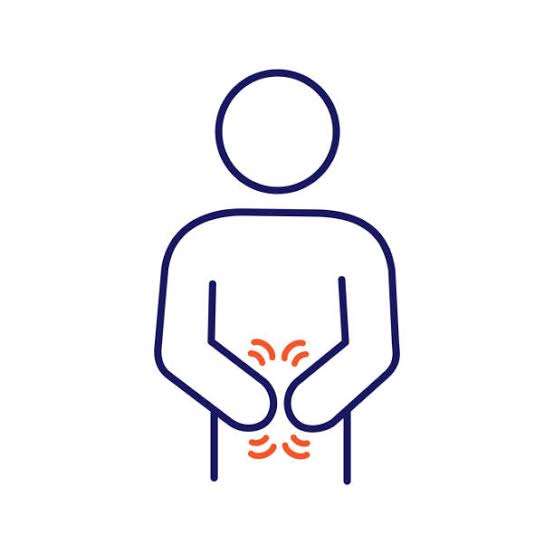
This digestive disorder occurs when stomach acid frequently flows back into the tube connecting your mouth and stomach causing irritation. Persistent reflux can impact quality of life if left untreated properly over time .
- Symptoms & Predisposing Factors : Heartburn regurgitation chest discomfort obesity poor eating habits trigger reflux episodes.
- Diagnostic Measures : Clinical evaluation supported by endoscopy or pH monitoring confirms extent of esophageal damage.
- Treatment Approaches : Lifestyle changes including weight management dietary modifications alongside antacid medications reduce acid exposure.
- Long-Term Outlook: Consistent care aims at symptom relief prevention of complications like esophagitis strictures Barrett’s esophagus .
Consultation focused on identifying individual triggers along with personalized treatment improves GERD management success .
ANEMIA DIAGNOSIS AND MANAGEMENT

Anemia results from reduced red blood cell count or hemoglobin concentration which impairs oxygen delivery throughout the body. Various underlying causes necessitate appropriate evaluation and treatment plans tailored accordingly.
HYPOTHYROIDISM TREATMENT

This endocrine disorder occurs when the thyroid gland does not produce sufficient hormones necessary for regulating metabolism. It manifests with varied symptoms influencing daily life quality.
- Causal Factors & Signs: Autoimmune diseases like Hashimoto's thyroiditis most common cause; symptoms include fatigue, weight gain, cold intolerance and dry skin.
- Diagnostic Approach:
CHRONIC OBSTRUCTIVE PULMONARY DISEASE (COPD) MANAGEMENT
COPD is a progressive lung disease that causes breathing difficulties due to airflow blockage. It commonly results from long-term exposure to irritating gases or cigarette smoke.
- Main Causes & Symptoms: Chronic cough, mucus production, shortness of breath; primarily caused by smoking or environmental pollutants.
- Diagnostic Tools: Lung function tests such as spirometry assess airflow limitation severity accurately.
- Treatment Strategies: Includes inhalers (bronchodilators), steroids, pulmonary rehabilitation programs for symptom relief and slowing progression.
- Lifestyle Adjustments: Avoiding smoke exposure and vaccinations against respiratory infections are vital preventive measures.
- Your Prognosis: Early diagnosis combined with adherence to treatment can significantly improve quality of life despite being a chronic illness.
If you experience persistent respiratory symptoms especially with a history of smoking, seeking medical evaluation is important for timely intervention.
TYPE 2 DIABETES CARE

This condition arises when the body either resists insulin or doesn't produce enough, leading to elevated blood sugar levels. It requires ongoing management to prevent complications.
- Symptoms and Causes: Increased thirst, frequent urination, fatigue; risk factors include obesity, sedentary lifestyle, and family history.
- Diagnosis: Blood tests like fasting glucose or HbA1c provide accurate measurements of blood sugar control over time.
- Treatment Options: Emphasis on balanced diet, regular exercise, oral medications or insulin therapy depending on individual cases.
- Lifestyle Modifications: Weight loss and smoking cessation are crucial aspects of controlling diabetes progression.
- Goals: Maintaining near-normal glucose levels reduces risks of nerve damage, kidney disease, and vision problems.
A proactive approach combining medical care with healthy lifestyle choices is key to managing type 2 diabetes effectively.
HYPERTENSION MANAGEMENT
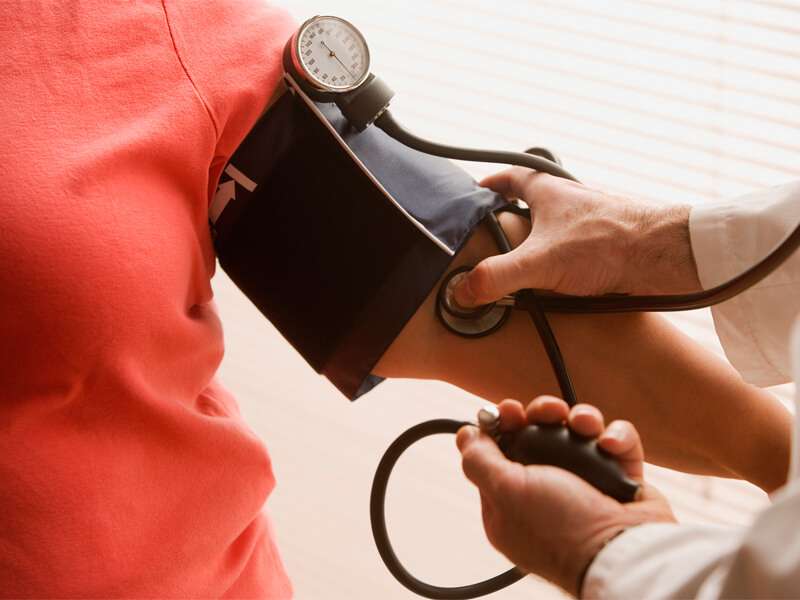
High blood pressure, or hypertension, is a common chronic condition affecting millions worldwide. It often presents without noticeable symptoms but can lead to serious health complications if left uncontrolled.
- Symptoms and Causes: Often called the 'silent killer,' it may show no symptoms initially. Factors include genetics, poor diet, stress, and lack of exercise.
- Diagnosis: Regular blood pressure monitoring using a cuff-based device is essential to identify elevated readings consistently above 130/80 mmHg.
- Treatment: Lifestyle changes such as diet modification, regular physical activity, and medication as prescribed help keep blood pressure within safe limits.
- Management: Continuous follow-up with your healthcare provider ensures medication efficacy and adjustment as needed.
- Expectations: With proper management, individuals can lead normal lives while minimizing the risk of heart disease and stroke.
Understanding your blood pressure readings and adhering to treatment plans play a vital role in managing hypertension effectively.