
Dr Prakash Hindurao Kurane
About Me
Dr Prakash Hindurao Kurane
MBBS,MS
General Surgeons
9 Years Experience
Biography
My Clinic
OPD Hours
| Monday | Morning | 09:00 AM | ||
| Evening | 09:00 PM | |||
| Tuesday | Morning | 09:00 AM | ||
| Evening | 09:00 PM | |||
| Wednesday | Morning | 09:00 AM | ||
| Evening | 09:00 PM |
Treatments
Specialised care and treatments offered
THYROID SURGERY
Surgery may be needed if you have thyroid nodules that cause symptoms such as difficulty swallowing or hyperthyroidism due to overactive thyroid glands impacting metabolism overall throughout multiple aspects within daily life activities!
(DIVERTICULITIS

This condition involves inflammation of diverticula — small pouches that can form in the walls of your colon. It predominantly affects older adults but may also occur in younger populations under certain conditions.
- Symptoms: Individuals may experience abdominal pain (often on the left side), fever, digestive disturbances like diarrhea or constipation.
- Causes: Factors contributing to diverticulitis include low fiber diets leading to increased pressure within the colon causing pouch formation over time.
- Diagnosis:The condition is usually diagnosed through medical history review along with imaging tests like CT scans for confirmation stage severity . (
- )Treatment Options:- Mild cases might benefit from antibiotic therapy while more severe instances could necessitate surgical intervention depending on complication presence .( )
- )( Recover Expectation ),(Strong)- After treatment , Patients should monitor dietary intake maintaining high-fiber rich products promoting gut health avoiding risk factors identified previously . ( )
If symptoms worsen significantly sufficient caution should prompt immediate healthcare consultations addressing management effectively . (< p )
BOWEL OBSTRUCTION TREATMENT

A bowel obstruction occurs when there's a blockage preventing food or liquid from passing through the intestines. It can lead to serious complications if not addressed promptly.
- Symptoms : Classic signs include severe abdominal pain that comes in waves, bloating, constipation or inability to pass gas.
- Causes : Obstructions can arise from various sources such as adhesions from previous surgeries, tumors or impacted stool.
- Diagnosis : Diagnostic procedures involve imaging studies like X-rays or CT scans alongside thorough physical examinations.
- Treatment Options : Management might require hospitalization where initial measures focus on hydration and decompression; however,surgery might be needed for persistent blockages.
- Recovery Expectations : Depending on treatment type—non-invasive versus surgical—the recovery duration varies; close monitoring ensures timely progress towards normal functions.
Immediate medical help is critical if an obstruction is suspected to avoid life-threatening consequences.
GALLBLADDER REMOVAL (CHOLECYSTECTOMY)
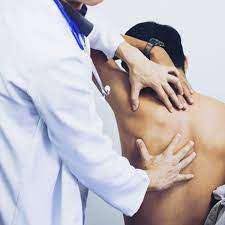
The gallbladder stores bile produced by the liver. When gallstones form or inflammation occurs, cholecystectomy becomes necessary to alleviate symptoms and prevent complications.
- Symptoms: Patients often experience severe abdominal pain after meals, bloating, nausea, and digestive issues due to gallstones obstructing bile flow.
- Causes: Risk factors for gallstone development include being overweight, high-fat diets, diabetes mellitus, and certain genetic factors.
- Diagnosis: Ultrasounds are commonly utilized to visualize gallstones and assess gallbladder health during diagnosis.
- Treatment Options: The primary treatment is surgical removal of the gallbladder via laparoscopic techniques for less recovery time and scarring. Non-surgical approaches may involve dietary changes or medications but are less effective long-term.
This procedure is well-tolerated under anesthesia with quick recovery rates expected for most patients seeking relief from recurrent gallbladder issues.
HERNIA REPAIR
A hernia occurs when an organ or fatty tissue protrudes through a weak spot in surrounding connective tissue. Hernias can develop in various parts of the body and affect individuals of all ages.
- Symptoms: Symptoms typically include a noticeable bulge in the affected area accompanied by discomfort or pain, especially when lifting or bending.
- Causes: Factors contributing to hernia development include genetic predisposition, obesity, heavy lifting, and chronic coughing.
- Diagnosis: Diagnosis is often made through physical examination; imaging tests may be employed for further assessment if necessary.
- Treatment Options: Surgical intervention is generally required to repair a hernia. Techniques may involve open surgery or minimally invasive laparoscopic methods.
- Recovery Expectations: Recovery times vary; however, many patients can resume light activities within a few weeks after surgery with proper care.
Timely intervention helps prevent complications associated with untreated hernias.
APPENDICITIS
Appendicitis is an inflammation of the appendix, a small pouch connected to the large intestine. This condition often affects younger individuals, particularly those in their teens and twenties.
- Symptoms: Common signs include severe abdominal pain, particularly in the lower right side, nausea, vomiting, and loss of appetite.
- Causes: While the exact cause can be unclear, blockage of the appendix lumen or infection may trigger inflammation.
- Diagnosis: Healthcare providers typically use physical examinations, imaging tests like ultrasounds or CT scans to confirm the diagnosis.
- Treatment Options: The standard treatment involves surgical removal of the appendix, known as an appendectomy. In certain cases, antibiotics may be utilized alone.
- Recovery Expectations: Post-surgery recovery usually involves a brief hospital stay and rest; most patients return to normal activities within a few weeks.
If left untreated, appendicitis can result in serious complications. Seeking medical attention promptly is crucial.